If you've ever been called mysterious or closed off just because you don't broadcast your entire life story to strangers, you're not doing anything wrong.
You may just have a brain that knows how to protect itself.
Not cold, not antisocial, and you're not broken.
You're simply refusing to play a version of connection that leaves a lot of people emotionally exhausted.
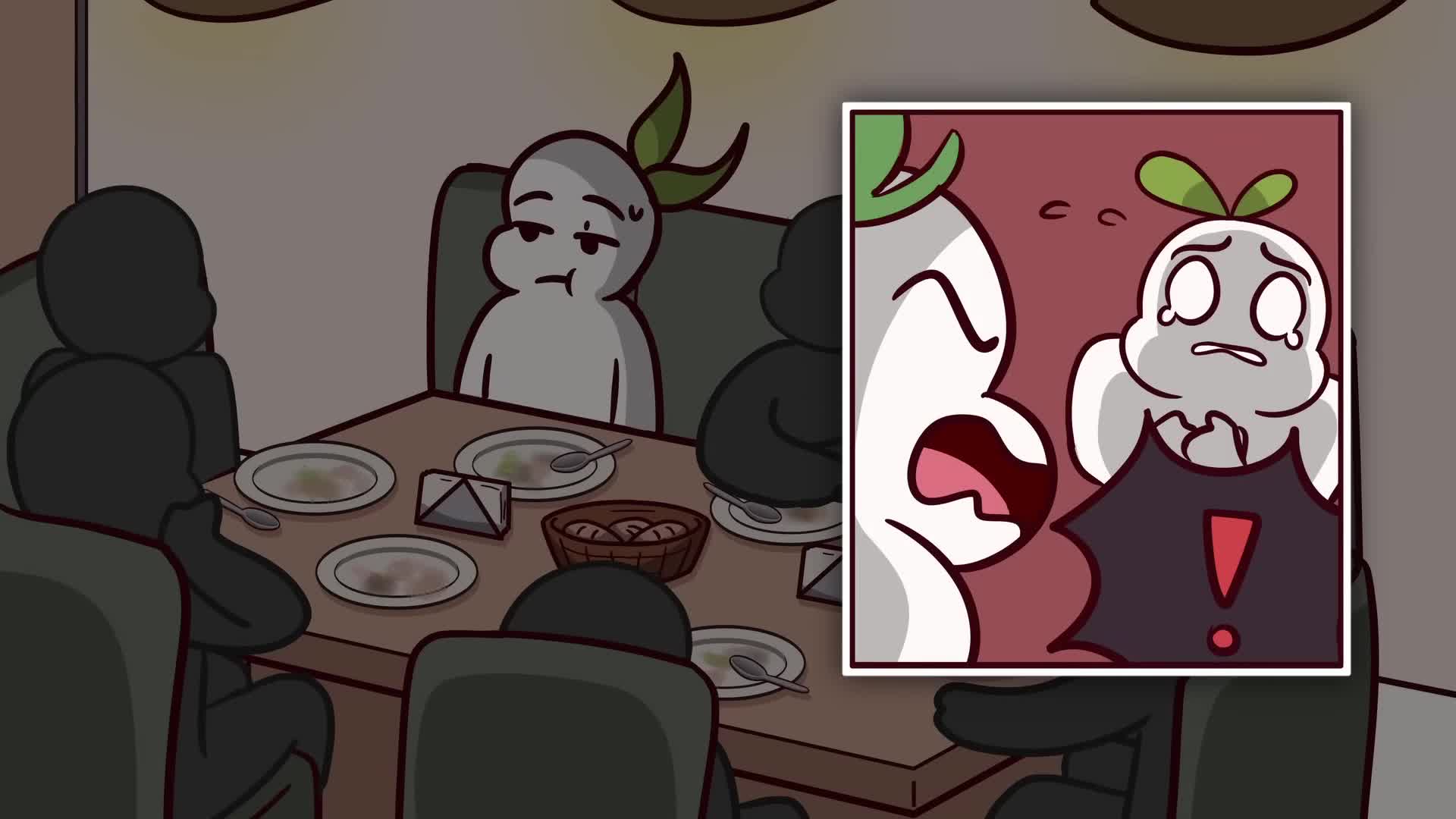
Picture this, you're at lunch, someone you barely know asks, so what's going on in your life?
Around you, people start sharing relationship drama, family stress, or deeply personal struggles like it's a group therapy session.
You smile and say, oh, you know, the usual.
And suddenly you're the strange one?
You're not hiding anything.
Your mind understands something modern culture often overlooks, boundaries.
Let's break down what's really happening in that well-protected mind of yours.
Number one, your brain has standards for trust.
Many people treat personal information like free samples handed out quickly and hope something meaningful comes back.
Your brain doesn't work that way.
Instead, it observes.
It notices patterns.
It quietly asks questions like, how does this person handle other people's vulnerability?
Do they respect boundaries?
Do they overshare with everyone?
Psychologists call this selective self-disclosure.
In simple terms, it means you don't give people access to your inner world just because the conversation turned personal.
When someone tells their entire life story to a stranger, your brain doesn't judge them.
It just files information away.
Interesting.
That was fast.
Noted.
Research suggests that only a small percentage of adults consistently show strong trust discernment.
That means many people share deeply before safety has been established, while a smaller group instinctively waits.
You're not withholding out of fear.
You're protecting the value of genuine connection.
When everything is shared with everyone, intimacy loses meaning.
But when you open up, it actually carries weight.
You're not building walls.
You're choosing where bridges belong.
Number two, understand that silence is an answer.
Here's something society doesn't say out loud very often.
You don't owe anyone your story.
When someone asks a question that feels invasive and you gently deflect, that's not being rude.
It's respecting yourself.
In social settings, people are often encouraged to perform vulnerability.
What's your biggest fear?
What's your deepest regret?
Tell us something personal.
And while others rush to share, you pause to think.
Why would I turn my experiences into entertainment for people who haven't earned my trust?
Psychologists describe this as emotional boundary awareness.
It reflects an understanding that not everyone who asks for vulnerability knows how to handle it.
Some studies suggest that people who practice selective disclosure tend to form stronger long-term relationships because they build connections slowly, with care.
You know that real closeness isn't built in five minutes.
It's built with consistency, safety, and time.
Number three, your privacy is a source of stability.
For many people, sharing triggers dopamine.
Likes comments validation, attention their brains are wired to feel rewarded by exposure.
Yours might be different.
Instead of chasing visibility, your nervous system finds calm and autonomy in having parts of your life that stay private and knowing that not every moment needs an audience.
Research has linked strong privacy boundaries with lower anxiety and emotional overwhelm.
While others feel pressure to perform their lives, you're actually living yours.
And you're opting out of constant extraction, not out of connection.
And interestingly, this restraint often has an unexpected effect.
When you don't overshare, people tend to lean in more.
Number four, you're not cold, you're selective.
Notice how you can be warm, open and deeply expressive with a few people, yet reserved with everyone else.
Psychologists sometimes describe this as tiered trust.
You don't treat everyone the same because not everyone has earned the same level of access.
Maybe for you, it looks like level one, polite and protected.
Level two, you're friendly, but filtered.
Level three, you're fully authentic.
Most people stay in level one.
It's not a punishment.
It's just that trust hasn't been built yet.
Your brain constantly asks, can this person hold complexity?
Do they respect boundaries?
Have they shown care with other people's vulnerability?
And the people who reach your inner circle know they're getting the real you.
No performance, no oversharing, just honesty.
And number five, it's not about hiding.
There's a popular belief that openness equals health and privacy equals damage.
If you're not sharing your healing publicly, some assume you must be repressing something.
But that isn't true.
You understand something many people struggle with.
Growth doesn't require a witness.
Healing doesn't need applause.
And peace doesn't require proof.
Of course, privacy is healthiest when it comes from self-respect, not fear.
And you know the difference.
You're not avoiding connection, you're choosing depth over exposure.
Your privacy is about protection, not from intimacy, but from constant emotional demand.
So the next time someone says you're hard to read or you never share anything, remember that what they really mean is you don't give access before trust exists.
You're not cold and you're not missing out.
You're built for depth in a world that often confuses exposure with intimacy.
And that's actually what makes you magnetic.
So tell us, are you more of a my life is an open book or read it when I give you the password?
Let us know in the comments And, if this resonated, subscribe and check out our next video on why some people need constant plans while others thrive on spontaneity.
It might explain more about you than you expect.