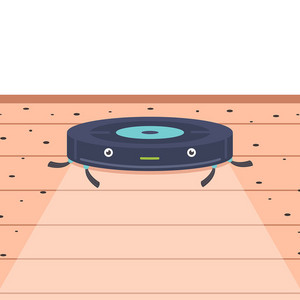
discussion keeps the world turning this is roundtable you're listening to roundtable with myself Hyung I'm joined by Steve Hatherley and Yushun in the studio coming up robot vacuum cleaners were meant to make life easier for everyone and it's not just the tax savvy who are buying them it's busy parents
and pet owners to despite steady sales profits are dropping so why aren't these robots cleaning up the market and have you ever wondered why movie theater seats are always red grab your popcorn and get ready to dive into the surprisingly fascinating world of theaters seat design red hot and ready for action our
podcast listeners can find us at roundtable China on Apple podcast now let's talk about robots cleaning rooms robot vacuum cleaners cruise around your house using sensors and mapping technology to navigate dodge furniture and suck up dirt all while you relax on the couch they promise a life of spotless
floors with no effort from you but the robot vacuum industry is facing a curious trend reasonably good sales but declining profits what's going wrong so help us break down the mystery behind the numbers yeah maybe to us it's kind of an interesting phenomenon but maybe to these manufacturers is not interesting
to them specifically according to their financial reports a vacuum cleaner brand eco vacs net profit in quarter 3 2024 plummeted by nearly 70 % year -on -year and Roborox is also another domestic brand nets its net profit for the same period decreased by 43 % but these robot vacuum cleaners are still selling
well in China you know we can see looking at Q3 revenue the fluctuations of these two companies aren't significant eco vax reached 3 .25 billion yuan with a slight year -on -year decrease of 4 % while Roborox reached about 2 .6 billion yuan with an 12 % increase which means people are still buying but the growth
rate or their profit is slowing down it's counter intuitive isn't it because I think with many industries and with many companies and their products if you see growth then you're going to see better finances and more money in your bank account but this is yeah again it's counterintuitive it doesn't
seem to make sense on the surface and it makes sense when you dive deeper into the reasons why so basically we see that this is a hugely competitive intensified competition is associated with this industry and with many different sectors in China when competition is fierce sometimes you see the companies
engage in price wars excessive new product releases and aggressive marketing and these are all things that are happening in this particular slice of the robot industry as well I don't know why but I do enjoy looking at advertisements for robot vacuum cleaners I've never bought one before but I just
like watching the videos and you know it's kind of a weird little hobby of mine so when I've gone on to the shopping apps here in China and if you search robot vacuum cleaner you can keep scrolling and scrolling and scrolling and scrolling and scrolling and that's to your point huyang about how much
competition is out there and how many how many competitors there are how many companies there are selling this product yeah that's I think what you say included two points one thing is that the intense market competition with all of these brands they're having kind of a balanced market share you know
in the first half of 2024 the online market shares of the top five brands eco vax dreamy Roborock narwhal and Xiaomi or about 30 2018 14 and 9 .1 % respectively so there are so many brands that are coming up and getting into this area and another point is that as you said you like watching these kind
of advertisement and they're yes of course they do and they spent a lot on advertisement you know these emerging brands nowadays often use social media to promote themselves as we can see every time they launch a new product you know it feels like the whole world is using their robotic yeah vacuums
you know when I was seeing these videos on video platforms and that's because they've collaborated with so many influencers and some celebrities for promotion and this of course will need a significant amount of spending on advertising and marketing yeah I don't have information on how much celebrities
get paid to do advertisements like that but I'm guessing it's not free I'm guessing it comes at a at a healthy price for for the companies and that's that's true across various industries I'm sure I'm globally though robot vacuum cleaners are doing quite well in China plays a pretty big role here as
well the global robot vacuum cleaner market is still growing very strongly 20 almost 28 % a little above 27 % from 2021 to 2028 that's the projection and China is a dominating force there there are really important player in the global market they're the largest manufacturing hub for robot vacuum cleaners
and one of the brands you mentioned already eco vaccines one of them is one of the big ones right and these manufacturers they're known for offering technologically advanced products at very competitive prices and this is helping their global market penetration yes and here domestically we're seeing
also you know with escalating costs pursuing greater market share often meant that a lot of these companies felt they're compelled to come up with new models and all of that takes money and also for the leading manufacturers of the pack such as eco vacs and robo rock they experienced significant rises
in research and development and sales expenses in the first three -quarters of this year so we're really digging deep into the balance sheets of these companies and of course inventory buildup is another problem we see that you know when you've got all this inventory waiting in the storage room and getting
them to sell better and make a profit can become an issue but also I like you guys to go a little bit back in history and that's really just prior to 2019 apparently 2019 and 2020 were the two big years when golden days yeah but actually I I've been hearing about robo vacuum cleaners for almost a decade
but for the technology and product to mature and to for the greater market to accept it apparently was 2019 and 2020 and it was six million units that were shipped out it domestically so that I suppose was the heyday but what are the factors that contributed to the initial success of these robo cleaners
yeah there were a few different reasons I think one of them was a demand for automation at the time right I mean we have to think that we have to go back in time you know five six years and think about what it was like then now we're seeing these technologies are everywhere and we're kind of getting
used to them maybe they're not so wow anymore but at the time there was a huge demand for for automation in the household and the modern household the smart household was becoming like a big catchphrase thing so when these robot vacuum cleaners came out I was blown away I think everyone was blown away
so that demand for that cool new tech I think was one of the factors yeah and also I think you know these kind of robotic a vacuum machines are one of the most obvious reflection of you are having a smart home and back then as you said people are brag about it to your friends yes you know when they're
decorating their home they're trying to think about that and this kind of smart home integration is something that they would like to do the rise of smart home technology and the increasing interconnectedness of devices have contribute to the appeal of robot vacuums you know features like you know you
can use a phone to control everything home no matter it's your curtain or robot or everything like your lights so you can just use these things and back at that kind of stage of time people are just buying a lot and of course the advertisements are there and as I said I think China was going to that kind
of area that back then we are not that used to that home appliances like vacuum machine or robot robotic vacuum machines or just dishwashers and clothes dryers but now I think people are more and more people are accepting the idea of having these kind of home appliances you bring up a really good comparison with the dishwasher
that's been around for decades and Western households and it's pretty much in the default setting now right for the Western household yeah yeah I would say so like all the kitchens would come with a dishwasher but in China it's really not adopted that we haven't adopted it that quickly and I don't think
it's gonna happen either because like with these home appliances they really have to answer to the needs of the people who live in that house 100 % and well for my own like quite typical Chinese family experience we don't have maybe that many dishes to wash maybe when or maybe is my family size quite
small a nuclear family so so putting using up so much water and to fill up a whole big dishwasher is actually quite a challenge for my household I mean we talked about don't use it we talked about this when we talked about dryers as well yes yeah we took if you missed that episode of Roundtable go back
and check that one out and we were saying that times are changing a little bit now in China dryers are becoming a little bit more popular a little bit more commonly found in people's homes but traditionally you would you would never have found one right so that's one of the reasons too I think one thing
that we didn't talk about as well is that there were advancements in robotics at that time back when robot vacuum cleaners were becoming a big thing navigation tech sensor technology that's what they use now and then to find their way around your home but that's also part of the reason I think for the decline
in profitability for these companies is that because people have gotten used to and now are increasingly demanding more intelligent vacuums more intelligent robots then some products might struggle with limitations like poor cleaning of debris and certain parts of the house or navigation issues but we
as consumers that Wow factor of oh there's a robot that can do this that's gone now we have quickly become more demanding of these products and we want the best of the best I think that's such a great point and actually a lot of the early batch users they complained about how useless some of these robo
cleaners turned out to be and well those people come back for more they will not and so also to sort of excite or engage with more people who might want to buy this well you kind of need to come with really good products that can persuade everybody and there are a wide range of robot vacuum cleaners
as well I feel like a little bit of an expert because of all the videos I've watched but some of them do the basics you know but then other ones they have their self -cleaning they have these little water tanks and all connected to your plumbing in your house I mean the amount of money that you can spend
on a robot a robot vacuum cleaner is very very wide -ranging right but from a consumers point of view from a consumer side they have to be aware of that as well I think that not all not all robot vacuum cleaners are the same so that might be a challenge for companies to is consumer awareness of what they're
paying getting what they're paying for not everyone is created equal that is correct and also as as we saw and you know there is different there are different phases that these vacuum machines were developing you know maybe from the start they were just trying to mop up the floor and then they have their
dodging system the mapping system and then as you said they have the whole water circulating system that you can they can self -clean everything and all of these need R &D right as we can see these these companies are spending so much money on R &D expense R &D spending rose from in this company eco vacs
they're spending like from 549 million UN in 2021 to 744 million UN in 2022 and then it is still increasing in the first three quarters of this year alone R &D expenditure reached 1 .3 billion UN that's even surpassing the total of the previous three years combined which means they are spending a lot
not only in developing also marketing and promoting everything and that is the reasons that they are not benefiting from the even the better selves we've become so spoiled haven't we human beings I mean we're complaining about how this robot vacuum cleaner sucks what it's a robot that's cleaning your
floor for you what are you talking about it's amazing but that's where we are in technology right now I remember when 5g came out I was super excited and with two within two weeks I was already wondering when 6g was coming out you know we come we get the new tech and we immediately wanted to be better
and more amazing and companies they know that that's what consumers are like we are spoiled we do want more and they have to spend a ton of money on research and development to make sure that they can convince us to buy their products on the one hand I do agree with you initially that was very persuasive
Steve but also you know as an average consumer you're kind of comparing with the robot or without and actually without and I'm just you know regular a able and capable citizen I can clean my house with at zero cost and then with buying these robo vacuum cleaners and when checking out the price tag I
was shocked I thought they should be dirt cheap cuz apparently they're not doing a great job anyway but actually it's like 3000 yuan at least yeah so that's quite a lot of money that's like less than 500 US dollars so if I'm spending that amount of money I expect it to do a better job than I do yeah
do the job you're being paid to do yeah no and you're not wrong you're not wrong why would you know why would you but why would you buy a product no and this is the flip side of that coin and you're absolutely right why would you buy a product if it's not going to do the job that you paid for it to
do that doesn't make sense and again back to the companies that's why they're always working so hard to try to make these better and better and better for us well I don't think we're the ones that are most worried but you know we're in front of the mic and we have a responsibility maybe to some extent
here what do you see as you know the future direction of this market because they are kind of at this peculiar situation right now and for the industry to develop for the customers to be happy so they would buy more yeah what do you say here then maybe productive diversification is the thing that they
want or need to explore as you said maybe in our like daily living environment we don't necessarily need that kind of thing that wandering around to clean our floors like every hour but for some people like people have paths they need all of these furs are just they can be invisible and then can be
everywhere I don't know why but just you know and these vacuum cleaners can be so helpful in this case yes and pet owners are one of the big buyers of these robot vacuum cleaners because of what you just said because of all the invisible pet hair that's around the house so I think moving into the future
yeah of course things like increased smart home integration and then personalization and customization and sustainability that's obviously going to be a factor as well but doing the specific user needs like for example pet hair removal doing those types of things perfectly will be a good thing for this these
types of companies in the future to coming up next why are movie theater seats red is more than just a color choice we take a look at the unexpected reasons behind it stay tuned looking from passion how about fiery debate want to hear about current events in China from different perspectives then tune
in to round table or East meets West and understanding is the goal you're listening to a roundtable with myself hey young I'm joined by Steve Hatherley and you should in the studio have you ever walked into a movie theater looked around and thought why are all these seats red is it a secret club for tomatoes
well fear not curious minds the choice of red isn't just some random design quirk or a love letter to catch up enthusiasts maybe the story behind those crimson cushions is more colorful than you might expect so so why why then are these seats red it's fun to ask that question yeah like why is this this color why
is that that color and it's something that I've never thought about before sorry did I interrupt you there have you given this some thought before no I was trying to say it is interesting enough just by listening to who owns intro of this topic but anyway the usual explanation is like red is the color least
sensitive to the human eye in the dark once the lights are off red practically disappears and landing into the darkness without distracting viewers from the screen question black is darker than red you said red is dark enough that once the lights are off the red disappears black would do a even better
job of that would it not then it may be to a situation that you know making the space too dark otherwise people might struggle to see their way around and risk taking oh yeah right even yeah so when you go into the theater to find your seat that might be tough but what about if you were late to the movie
and you had to find your black seats in a black theater that would be Mission Impossible you'll be the star of that show that makes sense then doesn't it that's a very simple explanation where if you're gonna make the space too dark then it's gonna make it almost impossible for people but wouldn't other
colors accomplish this same goal of course you know to like different brands or different locations of the cinemas the they will have different colors of these C's maybe blue and some of them are great yes but anyway why red is the you know most popular option actually this has something to do with our
ancestors and it's I think the most interesting part of this discussion you know from an evolutionary perspective human vision has always been relatively weak when it comes to perceiving red yeah during the dinosaur era the ancestors of mammals became nocturnal which means you we're at no I mean they
are active at night to avoid predators and this adaptation boosted their night vision but came at the cost of color perception so as a result many mammals like cows horses sheep dogs and cats can't distinguish colors well and primarily see the world in shades of black white or gray oh you were right
that the answer goes way way back further than I would have guessed humans though you mentioned that those other animals they can't see different shades but humans have evolved the ability to see red right but is our vision still relatively poor compared to I don't know other vertebrates yeah so although humans
have evolved the ability to see red our vision is still relatively poor compared to other vertebrates humans can see three primary color also I think we learned this from our primary school red green and blue that is the main three colors thanks to three types of cone cells in our eyes and but compared
to other vertebrates this ability isn't particularly advanced and also interestingly our ability to perceive red evolved from green cone cells some part of our eyes which is why red green color blindness is common among humans I didn't know I knew humans experience colorblindness but I didn't know there
was a common problem among red versus green do you have any problems with with perceiving colors different colors I can't tell the difference between navy blue and black sometimes but that's not the issue here that's only because there's too close but anyway so that is why some people say that we are seeing
or perceiving red as a kind of constructed color and as a result red under different lighting conditions are causing this kind of phenomenon in bright light red stands out clearly making it easy for viewers to find their seats however in dim light the rod cells in our eyes which are more sensitive to
blue green light takeover and at this point red becomes less visible and doesn't distract from them so when the screen lights up in those brighter colors then we the red seats disappear from our view that's so interesting or maybe because I just turn up right on time as the lights have dimmed I've never
really noticed that the seats are red until we were you know preparing for this topic that is so not me I if I go to a theater and the movie has already started I will not go in not even if it's just the beginning adverts and stuff well okay advertisements okay but if the movies be gone then I will absolutely
just wait for the next screening it drives me crazy it's a pet peeve of mine so I'm always there I like to what am I alone in this I like to watch the advertisements in before a movie starts but also the trailers they're fine but it was just a normal nothing nobody likes them but I do I like to be there
early I guess yeah well you're possibly one of the most popular pop more popular kind of viewers because to them yeah and also red is kind of us socially oriented or culture specific color as well because in China when we think of red oh some people even think of patriotism and it's and also with the Spring
Festival coming up you know it's this you know a very much positive color but in some of the other cultures red might be seen as maybe associated to blood or to enraging someone or romance depending on where you are right yeah yeah but also it's a safe option for the theater seats now so you don't bump
your head on your way to your seat which can also motivate audiences right and that brings us to the end of today's roundtable thank you so much Steve Hatherly and Yushun for joining the discussion I'm Hyung we will see you next time