Audible has the best selection ofaudiobooks, handsdown.
You'll always find the latest bestsellers, along with binge-worthy podcasts and exclusiveoriginals.
No matter what you'reinto, steamyromance, a listmemoirs, fantasticsci-fi, inspiringmotivation, andmore.
It's all there in the Audibleapp.
There are also thousands of included titles with more added everyweek, so you've always got something new totry.
There's more to imagine when you listen onAudible.
Find out foryourself. Sign up for a free 30-day trial at audible.com slashcereal.
How do you manipulate an entire country to get an enlisted soldierhome?
Previously, notcereal.
Like, how can I get indeaf,Afghanistan?
Or how can I get intoPakistan?
I'm gonna get mybag, I got mypassport.
Our greater bureaucracy is telling the families to just shut up andwait.
I address the Pakistani armedforces.
I think I can get that done foryou, but he really likes Johnny Walker Blacklabel.
For the to exchangeyou, the Taliban is waiting for all theprisoners, youknow, all theprisoners, youknow, all the Muslims around the world to bereleased.
From this American life in WB EasyChicago, it'scereal, one story told week byweek.
I'm SarahCanig. May31,2014.
The day Bo gets picked up by a special operations team inAfghanistan.
He's quickly pulled onto ahelicopter, leaving the ground likethat, with space suddenly all aroundhim, after five years of being locked inrooms.
He said it was like crossing anabyss.
When they landed at a nearbybase, Bo wanted to communicate with these guys who'd rescuedhim, but he couldn't talkyet.
He hadn't spokensentences, much less had a conversation in solong.
He says he could think of thewords, but he couldn't make them come out of hishead.
What I ended up doing was asking for something to writeon, and the first thing I asked themwas, if there are specialforces, and then when they told me there are specialforces, I immediately went into giving them intel andnames.
And then they got me onto the plane after a fewminutes, youknow, they threw some clothes onme, they threw the hat and the shirt andpants, and threw me on the plane with the rest of theteam, and they got me tobackground, and that was the last I saw ofthem.
I didn't mentionit,like, youknow, wanted to say thankyou, and theyjust, youknow, the people aroundme, at thetime, youknow, theysaid,okay, we'll pass thaton,but, youknow, we gotta getgoing, because we gotta get you on theplane.
We gotta get you some food in you and allthat.
Youknow, and I didn'twanna, I didn't wanna bother thoseguys, because I couldunderstand, youknow, just man a lot of other things todo.
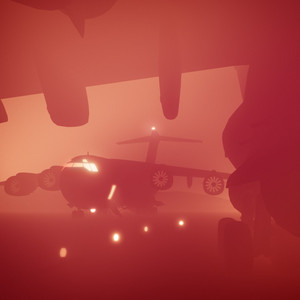
At thatmoment, a military transport plane was standing by at GuantanamoBay, waiting to take five Taliban guys to cuther.
Five years worth ofmachinations.
High hopes and false starts and politicking and secret meetings had gone into getting bow onto thathelicopter, and the five Taliban prisoners onto aC-17.
The response to this trade back home in the USvaried, but probably the loudest responsewas, I can't believe we just didthat.
We negotiated with terrorists to release some terrorists to get back adeserter.
And it seems people also had questions inAfghanistan.
Wait, what was all of thisabout?
Did they really just give up five leaders of the Taliban for one Americansoldier?
That's HeiterAkbar. He grew up in theUS, but he'sAfghan.
He now lives inKabul. His father was governor of KunarProvince.
Heiter is a friend of this Americanlife.
He's done some stories forus.
Heiter was in Afghanistan when the tradehappened, and he remembers thetalk, thedisbelief.
This guy was definitely noteasy, ageneral.
I remember theseconversations, it'sbeen, is this guy ageneral?
No, he's just asoldier.
Really, they're gonna let go of fiveleaders.
There must be something greater at playhere.
And there was supposed to be something much greater at playhere.
Something as big and grand as a plan to end thewar.
So whathappened? How did this become the solution to getting bowhome?
In2009, the year bow wascaptured.
The war in Afghanistan was going very badly for UStroops.
And a struggle was going on inside the Obama administration about what to do aboutit.
The idea the president settled on was fully resourcedcounterinsurgency.
Peacetalks, meaning talking directly to the Taliban about ending thewar.
That was not part of theplan, notyet.
The person who argued the most forcefully for that to change who said we should start talking to the Taliban now with a diplomat named RichardHolbrook.
Holbrook had just been appointedS-Rap, special representative for Afghanistan andPakistan.
Basically, Secretary of State Hillary Clinton had hired him to help end thewar.
Holbrook was this legendarynegotiator, a huge tenacioustalent, and also a hugepersonality.
In her memoir about being Secretary ofState, Clinton tells a story about how relentless hewas.
I once followed her into a lady's room inPakistan, so he could finish making hispoint.
Holbrook rubbed some people in the administration the wrongway, including Obamahimself.
But Holbrook didn't stop lobbying for a political solution to thewar.
Well, Richard did not think that there was a military solution to the war inAfghanistan.
That's KatiMarton, a journalist andwriter.
She was also married to RichardHolbrook, who died in2010.
He did not think that you could just muscle your way to asolution.
And General Petraeus felt that doubling down on the Taliban was the way togo.
Richard would have ten second conversations withPetraeus.
And the gist of thatwas,no, this is not the time fordiplomacy.
And he deeply resentedPetraeus, who was hisfriend, referring to him repeatedly as hiswingman, Richard would grumble tome, since when did the diplomat become the military'swingman?
Kati says it wasn't a personal slate toHolbrook.
He didn't care aboutthat.
It was theprinciple. He thought the military had too muchsway, that it was dominating political strategy in thesewars.
Bali Nasser also worked for Holbrook in the SRAPoffice, as a specialadvisor.
He's a Middle Eastscholar.
Bali Nasser says in Holbrook'sview, the whole military versus diplomacy debate was out ofwhack.
In otherwords, it was GeneralPetraeus, who should be Holbrook'swingman, orhandmaiden.
Military is a handmade intodiplomacy.
And that balance has been lost during the Bushyears, andthat's, Ithink, he believed that that was fundamentally wrong and would get America into greatertrouble.
So Holbrook's view was that you use the military to get the Taliban to thetable, but the goal is to get them to sign a document andagreement.
Meanwhile, Holbrook is being sidelined this wholetime.
People in the administration are trying to get himfired, infact, though Hillary Clinton protectedhim.
To make mattersworse, Holbrook had a crummy relationship with HamidKarzai.
Karzai thought Holbrook had undermined him in the Afghan presidential elections the summer of2009, and Karzai wasn't entirely wrong aboutthat.
So allaround, Holbrook isn't sopopular, and neither is the notion of the US sitting down with theenemy, theTaliban.
But it seems the enemy was interested in talking tous.
Diplomats in Germany had been meeting with a 30-something Afghan guy who was close to MullahOmar, the Talibanleader.
His name was TayyabAga.
Back inWashington, they didn't say his name outloud,though.
They used a codename,A-Rod.
Holbrook was a baseballfan.
Yes, A-Rod was a very familiarname, or odd in myhouse.
A meeting with A-Rod would berisky.
You don't know if the guy is forreal, whether you're beingplayed, neither sideknows, infact.
But Holbrook wanted to tryit.
He took it to HillaryClinton, who wasskeptical, but gave the go ahead for a first face-to-face meeting between the Taliban and the United Statesgovernment.
It was to be just outsideMunich, right after Thanksgiving2010.
And it was to besecret. The Taliban insisted it besecret, or else they'dwalk.
Pakistan didn'tknow. The British didn'tknow.
Few people in the US governmentknew.
Few people in the Talibanknew.
They met in a small village in a safe house run by Germanintelligence.
Although Tayyab Aga had worn western suits in his earlier meetings with theGermans, at this meeting he wore traditional Afghanclothes, a whitetunic.
Tayyab Aga opened by reading aformal, propagandistic statement he knew the Americans wouldn'tlike.
The Americans don't have a setagenda.
They're mostly there tolisten.
But while they weren't talkingterms, the US did have somenon-negotiables.
We wanted the Taliban to stopfighting, break withAl-Qaeda, and support the AfghanConstitution, including rights in there for women andgirls.
That was especially important to HillaryClinton.
The big goal was to get the Taliban to start talking to the Karzaigovernment.
Theidea, as the State Department putit, was to get Afghans talking to other Afghans about the future ofAfghanistan, so we could get out of theroom.
The Taliban wanted a few thingstoo.
They wanted the US to distinguish between them andAl-Qaeda.
Take their names off a UN sanctions list ofterrorists.
They wanted a political office outside ofPakistan.
They wanted it inDoha,Qatar.
And they wanted their prisonersback.
And that's where Bo comesin.
By thattime, the Hakanis had been holding him for almost a year and ahalf.
Andnow, at thismeeting, his fate becomes tied to the fate of the peace process inAfghanistan.
If the US hands over some Talibanprisoners, they'll hand over the Americansoldier.
Bo would be part of what are called confidence-building measures that would pave the way for substantive peacetalks.
The Americans weren't allowed to call it a prisonerexchange, by theway.
They had to call it a mutualrelease.
So Bo is part of thediscussion, but he's not the point of thesetalks.
He's not the crux ofanything.
That's pretty clear when I've asked diplomats and State Department officials aboutit.
Bo was like a lineitem, an important lineitem, but a line itemnonetheless.
I've heard and read a number of different accounts now about what the Taliban initially asked for in exchange forBo.
One source told me it was always five particular guys atGitmo, the Talibanwanted.
Anothersource, who was at themeeting, told me that at first it was a simplerdemand.
Four Taliban prisoners held at Bagrum inAfghanistan.
Taya Baga turned us down for aninterview, so I haven't been able to definitively pin thisdown.
In anycase, when the Munich meeting wasover, theAmericans, a contingent from the WhiteHouse, StateDepartment, they flyhome, report back to theirbosses, thumbsup, it'son.
Holbrooke drives out to the airport to meet hisguy.
He's so eager to hear how itwent.
And then just a couple of weekslater, Holbrookedies.
He was at work when his aortaruptured.
He was rushed to thehospital,surgery, but on December13,2010, hedied.
Just a pause here for aminute.
A bunch of people I talked to for this story were sad about Holbrooke'sdeath, not just forhim, but forAfghanistan.
They had this feeling that maybe if Holbrooke hadn't died when hedid, the talks with the Taliban could have worked outdifferently, that we wouldn't still be in this mess of awar.
Here's ValiNasser. Holbrooke was theonly, Ithink, statesman at that time in the UnitedStates, who was willing to take the risk of owningreconciliation.
That wasn't afraid ofit.
He advocated what was avery, very unpopular and riskyposition.
And I don't think anybody else was willing to do it afterthat.
Nobody stood up andsaid, I'm nowMr.
Reconciliation. I'm now the champion of thisthing.
And the irony of it was that he was being so much effort was being put on marginalizinghim.
That when he actuallydied, we realized how much was he actually carrying and how important hewas.
Right after Holbrookedies, that's when political reconciliation with the Taliban officially becomes USstrategy.
In February of2011, Hillary Clinton gives a speech in honor ofHolbrooke,actually, in which for the first time an American official speaks out loud in public about talking peace with theTaliban.
Still, many people in the government aren't happy aboutit.
Now, I know that reconciling with an adversary that can be as brutal as the Taliban soundsdistasteful, evenunimaginable.
And diplomacy would be a lot easier if we only had to talk to ourfriends.
But that is not how one makespeace.
Here was the original vision afterMunich.
Over the next sixmonths, everyone would agree to terms on the confidence buildingmeasures.
The office wouldhappen, thetrade, including Bo wouldhappen.
And then the goal was by December 2011 at an international conference planned inBonn,Germany.
Cars I would bethere. And the talks Afghan to Afghan would beunderway.
Such an orderlyvision.
Instead, what happensis, fitful is the best word I can thinkof, years of fits andstarts.
For people in the diplomacybusiness, the ping ponging trajectory of these talks is probablyfamiliar.
But tome, as I was trying to figure out what happened with Bo and his connection to these meetings with theTaliban, I just had no idea it would look likethis.
And I'm not going to take you through every step because we'd be here allweek.
But I just want to point out some of the moments oflike, ifonly, because they really bring home how fraught and fragile diplomacy canbe.
So, afterMunich, there's this brief moment ofhopefulness, let'ssay.
Hamid Karzai had created a high peace council in anticipation of impending peacetalks.
The US had a couple more meetings withTayabaga.
Andthen,stagnation. Nothing issigned.
Nothing ismoving. Washington iswary.
It'sdithering. Michael Steiner was the SRAP for Germany at thetime.
He'd help set up the US Taliban talks in the firstplace.
And hesays, afterMunich, it was like the motor of the whole processsputtered.
We losttime.Enormous, precious timeafterwards.
With every lostmonth, the perspective to get this situation healed becomes moredifficult.
Youknow, it took so damnlong.
Tayabaga needed to show progress to hisbosses.
The Taliban were gettingantsy.
Inaddition, forTayabaga, it's no easy thing for him to get to these meetings insecret.
Heworried,understandably, that his life might be in danger if it became public he was talking to theUS.
Factions inside the Taliban didn't want peacetalks.
And no one had consulted Pakistan about any ofthis.
And Pakistan had long wanted to be a player in any peacetalks.
Karzai was perpetually worried that the US and Pakistan were up to something behind hisback.
It all had to stayquiet.
In2011, Ambassador Mark Grossman replaced Hulbrook asSRAP.
Well, it was supposed to besecret.
It would have been better if it had beenquiet.
But as Iknow, you know from doing yourresearch, people just kind of talked and talked andtalked.
Theydid. We suffered a lot of leaks from Washington and also fromKabul.
Andwhy?Well, because youknow, it wasn't the most popular thing in the world to bedoing.
The result in May of2011, the Washington Post and Der Spiegel in Germany both reported that the talks were happening and for the first time they namedTayabaga.
The Taliban walked away from thetalks.
Clinton rushed to Islamabad to smooth things over withPakistan.
Another State Department official flew to Doha to ask the Qataris toplease, please ask the Taliban to comeback, which a few months later theydid.
But according to MichaelSteiner, the leaks meant the Taliban now had to dig in on their demands to reassure their own people they weren't selling out to theAmericans.
The price for the continuation of the process got higher because the demands becomehigher.
And if we would have actedearlier, much less would have been to bepaid.
Steiner didn'tspecify, but I believe he's talking about the Gitmodetainees, that the Taliban now fixed on thatdemand.
And that made things harder because getting prisoners out ofGitmo, anyprisoners, just ask PresidentObama, that's noteasy.
There are laws aboutit.
You have to tell Congress you have to get the Secretary of Defense to sign off onit.
Someone in the SRAP office at the time told me when they discuss it atmeetings, the Defense Department justreally,really, really opposed transferring anybody out ofGuantanamo.
Bigpicture, Mark Grossman's goals were the same asHolbrooks, to create a stable Afghanistan inside a stableregion.
And he had aplan, a series of international conferences and meetings to get other countries to commit money and support to help not only end the war inAfghanistan, but sustain apeace.
He explained all of this to Taya Baga when they finallymet.
And whatwere, what did hewant?
Like what became clear to you waslike, why he wasthere?
They wanted their prisoners out ofGuantanamo.
Grossman says at one point they did try to offer Taya Baga prisoners fromBaga, but that was ano-go.
And he told the reporter David Road that they tried to offer up four different Taliban guys fromGitmo, lesser figures who'd already been cleared fortransfer, but that was alsorejected.
The Taliban wanted these fiveguys.
At thispoint, in the middle of2011, there were 17 Afghans inGuantanamo, all of them accused of being tied to the Taliban or to terroristgroups.
So why was Taya Baga asking for these five back in exchange forbow?
If you look at especially two of the biggies on thelist, guys named Mullah Fazal and Norial andNori, what happened with them is actually a really interesting window into what was going on with the war right in the beginning in2001.
Because, and this was a surprise tome, at thattime, late2001, some Taliban commanderssurrendered.
So there was thisopportunity, some people argue that we blewit, that it was a big missedopportunity, to get the Taliban to stopfighting, that we could have swooped in when they wereweakest, containthem, madepeace.
In otherwords, all the things we'd still be struggling to do a decade and a halflater.
I talked to Carlotta Gaul about theseguys, Fazal andNori.
Carlotta is a reporter for the New YorkTimes, and she arrived in Afghanistan just a couple of weeks after the US startedbombing.
The Taliban regime wasunraveling, and in thenorth, where Carlottawas, hundreds of Taliban and al-Qaeda fighters had just been trapped in the city ofKunduz.
She wrote a newspaper story about what happenednext, but it never gotpublished, so much else was going on then inAfghanistan.
Inretrospect,though, what she saw was a singular moment in thewar.
I talked to Carlotta overSkype.
She was in our office inTunis.
She's in North Africa correspondentnow, so the sound isn'tgreat, but she told me the story of what shesaw.
She says she was up north at this big mudfort, where General Dostom alsowas.
Dostom was this infamous commander who was fighting theTaliban, and the US was supportinghim.
So, Dostom's there at thisfort.
And he received a delegation of Taliban who wanted tosurrender, and it wasamazing.
A bunch of our reporters were waiting there allday, and suddenly this convoy of pickups arrived in sweeping into this mud walled fort late at night in thedark, and they were full of their oldTaliban.
They were manning these big guns on the back of theirpickups, and they sweptin.
They were prettyscary, but actually they were coming to talkto, to talk to surrender toDostom, and Mullah Fazal was theirleader.
So Mullah Fazal wasthere, and Noreal and Norey was withhim.
And these were two of the guys that a good decadelater, the Taliban would ask us to release in exchange forbow.
Carlottasays, Noreal and Norey had a reputation as someone you could reasonwith.
He was a quieter guy thanFazal, a provincialgovernor.
ButFazal, Carlotta said he was one of the most feared men in theland.
He was this hideous operational commander who had a string of massacres to hisname, and people up there in an North were terrified of theseguys.
Andhe, youknow,yeah, I mean people had been telling me allweek, because I'd been there a week orso, and people weresaying, this is the man who who would shove his fingers at people's nostrils and to push their head back and then slip theirthroat.
He wasreally, Imean, I would say he was accused of many warcrimes, and he was known to have committed massacres of a lot of the northern tribes as the Taliban sought to suppress theNorth.
And here heis, MullahFazal, Norey andothers, and they'resurrendering.
They head into this meeting withDostom.
There are Americans in the roomtoo, CIAprobably.
Carlotta's waitingoutside.
And it took hours and eventually they called us in atmidnight, I'm gonnapress.
And Mullah Fazal wasthere, he was veryshort, grumpylooking.
Dostom made him basically say on camerathat, youknow, the fights overthere, and he didn'tactually, Ithink, say the wordssurrender, but he basicallysaid, we will give up our weapons and thefighting.
So it was an incredible moment tosee, and not many of us were upthere, and not much of it got in the papers at thattime, but it was the only public surrender of the Talibanforces.
Carlotta says in the days thatfollowed, Fazal delivered hundreds of hisfighters,Taliban, and also foreign fighters inPakistanis, came streaming in and handed over theirweapons.
Apparently the understanding was that Fazal's fighters would be allowed safe passage back to where they camefrom, but it didn'thappen.
Instead, many of them got killed at an out-infamous prisonuprising, which lasted fordays.
Hundreds more got packed up in container trucks and isfixated.
The whole other grizzly chain ofevents.
As for Fazal andNorey, Dostom kept them under house arrest for a while at his own rather fancyguesthouse, but eventually he gave them up to theAmericans.
What we learned later was they would take them to one of the warships in theGulf, Ithink, as quite a few prisoners were at thattime, and then they later ended up inGuantanamo.
Theywere, infact, in that group of first arrivals atGuantanamo.
On January11,2002, you've seen the pictures from thatday.
Men on their knees are injumpsuits, sparbedwire.
As for the other guys on Tayabaga'slist, they all seemed to have been in contactwith, if not cooperatingwith, either the US or the Karzai government when they were arrested and sent toGuantanamo.
One was the Taliban's deputy intelligencechief, who was at a meeting with CIA agents when he was grabbed and rolled up in a carpet carried away like that in broaddaylight.
Another was the former Taliban interior minister who had been in contact with Karzai about ajob, and one was meeting an American at the airport when he gotarrested.
So those are thefive.Actually, there was one other guy that Taliban wantedback, but he died atGuantanamo.
He had a heart attack after exercising on an elliptical in early2011.
If the Taliban could get these guys out ofGitmo, it would be symbolic in a bunch ofways.
Firstoff, it's a hugely morale-boosting message to their ownfighters.
Look at the lengths we'll go to get our prisonersout.
More thanthat, it's a huge public relationsvictory.
The UnitedStates, at the highestlevels, would be recognizingthem, theTaliban, as a legitimateorganization, not treating them as a rag-tag band ofterrorists.
Andfinally, tothem, it's a victory for their understanding of justice in thiswar.
Since most of these guys say they weren't exactly fighting with Americans when they were captured in the firstplace.
Mollifazal himself explains this line of thinking in his military tribunal atGuantanamo.
He tells the tribunal about the meeting withDostom, thereporters,quote, there were cameramen and journaliststhere.
He, meaningDostom, he says there's 25 year war between person toperson, village byvillage, city bycity, province byprovince, and tribe againsttribe.
If you think this iscrime, then every single person in Afghanistan should be in prison or bring themhere.
I never ever fought against the newgovernment.
I never fought againstAmerica, and I didn't do anything wrong againstthem.
Then why am I an enemycombatant,unquote?
It does seem true that Fazal was a brutalfighter, a powerfulcommander, and possibly a warcriminal.
But you can argue the same is true of GeneralDostom.
Dostom has also been accused of warcrimes.
He's now first Vice President ofAfghanistan, ourally.
And one last thing onthis.
In2001, Hamid Karzai had come to an agreement with Taliban commanders in thesouth.
The Taliban would hand over control of fourprovinces,peacefully, and inreturn, they'd getamnesty.
But the USsaid,no, you can't dothat.
Wouldn't let ithappen.
Instead, we proclaimed by a Secretary of Defense Donald Rumsfeld that because the Taliban harbored Osama binLaden, we would be treating them the same way we treated internationalterrorists.
We do not give amnesty toterrorists.
We do not negotiate withterrorists.
We hunt themdown. The talks with the Taliban suffered so many setbacks over theyears.
It's hard to even contain them all in myhead.
So many factors were in play in so many differentcountries.
Some of the setbacks were pointed andintentional.
Theleaks, forinstance.
Some setbacks wereimmutable, a simple case of badtiming.
And some setbacks were sohuman, just old-fashionedscrew-ups.
The most obvious assault on the talks came in September of2011.
A guy came to the door of former AfghanPresident, Bernhanid andRabani.
Rabani was heading Afghanistan's high peacecouncil.
And this guy said he had a message from the Taliban and blew up Rabani'shouse.
Rabani was killed as were four others from thecouncil.
Rabani'sassistant, the Muslim's StannicXi, was badlyinjured.
No one took responsibility for theattack, but many people suspected Pakistan was behindit.
Mark Grossman says losing the help of thoseguys, and especially having Stannic Xi out of commission for so manymonths, it wasterrible.
When you talk about Afghans talking to other Afghans about the future ofAfghanistan, they were theAfghans.
Yeah, they would have been doing thiswork.
And whoever didthis, it was a very strategicmove.
The Rabani assassination happened a couple months before the big international meeting inBonn, set for December2011.
The one that a year earlier had been something of a finishline.
Now it felt like they were back to squareone.
And then a year and a halflater, a screw up with some very badresults.
Mid2013, Bo had been in captivity for four years bythen.
After various armed twistings in Washington and in Kabul and inDoha, it looks as if they really might be able to crank up the talksagain.
Things have shiftedsome.
Instead of the prisoner exchangefirst, they're going to do anoffice.
The Taliban wanted an office in Doha as a home base for politicaltalks.
It would show they were legitimate politicalactors.
The office had become issue number one forthem.
And Karzai was naturally cautious aboutthis.
There's a new S-Rap bynow, Ambassador JamesDobbins.
He's working with Karzai and withQatar, who's theintermediary.
Karzai is probably an understatement for Karzai on thisthing.
He doesn't trustus. He doesn't trust our stated objectives in Afghanistan or forreal.
He's worried we're trying to cut him out of thetalks, make a side deal with Pakistanmaybe.
He obviously doesn't trustPakistan.
He thinks maybe this whole office deal is a Pakistani orchestrated plot to get recognition for theTaliban.
He's worried Qatar is essentially letting the Taliban set up a shadow government with this Dohaoffice.
So it's shaky to say the least Karzai's cooperationhere.
The United States is trying to make sure everyone abides by the groundrules, including the detail that the Taliban cannot throw around the words Islamic Emirate in connection with thisoffice.
Veryimportant. They have to call it something like the political office of the Talibanmovement, not as the representation of the IslamicEmirate, which was what they called theirgovernment.
So they shouldn't present themselves in effect as an alternative government ofAfghanistan.
So everyone's agreeing to this sort of groundrule.
The assumption was that in June the office would open and we would begin discussions and the detainee exchange would be most likely the first order ofbusiness.
Meaning the exchange for bow would be the first order ofbusiness.
So June 18th the officeopens.
It's this new pretty elaborate multi-story building with a wall aroundit.
There's an openingceremony.
Back in the US the time difference means it's something like three or four in the morning inWashington.
Jeff Eggers who is an Afghanistan and Pakistan director for the National SecurityCouncil.
Hannah Staff had been up all night waiting for the opening onTV.
The first indication that there was a problem was theflag.
The flag of the IslamicEmirate.
They also had a sign outside the building that said IslamicEmirate.
John Kerry was secretary of state bythen.
Within minutes he calls the Emir ofQatar.
Remember we're not communicating directly with the Taliban at thispoint.
It's all through theQataris.
So Kerry presumably impresses on theEmir.
It's not supposed to say IslamicEmirate.
The one word you can't have on that flag on that building isEmirate.
We'reupset. It's not what weagreed.
And it's going to makecars.
I flip hislid. It's exactly what hefeared.
Barney Rubin worked in the SRAP officethen.
He's an expert on Afghanistan andPakistan.
He'd been hired byHolbrook.
He was in the air when this happened flying to Doha fromDubai.
So I got off the plane and I see him myblackberry.
Oh mygod. What'shappening?
So I went directly to theembassy.
The flag is lowered out of sight prettyfast.
But the offending sign is still on the outside of thebuilding.
It's there allday. On day two it's stillup.
Barney decides to go there to try to find someone to take down thesign.
The embassy is short oncars.
He gets a ride in some guy's privatecar.
They arrive at the Taliban officebuilding.
They're surrounded by armed Qatarissecurity.
It's a whole thing for a while until they can figure out who Barney is and what hewants.
But he is not leaving until someone shows up with some toolsbasically.
I didn't leave until it wasdown.
Oh really you stayed there and watched them take itdown.
Yes. And then I took a photograph of the wall without the sign and we emailed it to the US Embassy in Kabul and they showed it to PresidentKharzai.
But by that time it was toolate.
Here's JeffEggers. That all it took was the optics of that one flag being thrown in there to really derail at that point years ofeffort.
Dobbins and Secretary Kerry fly to Doha to find out if there's any way to salvage the situation and to find out why ithappened.
What Dobbins learned is that it seemed to be a genuinemisunderstanding.
The Taliban thought it was fine for them to call themselves whatever theywanted.
The Qataris said that in discussions that had occurred in 2012 or 11 the US had said we don't care what you callyourselves.
You just have to understand we won't call youthat.
Now I don't believe any US officials saidthat.
But the Qataris believedit.
And as I say I think it was the Taliban weren't trying to demonstrate badfaith.
They genuinely believed what they were doing would be unacceptable and were I think surprised by thereaction.
It all could have been avoided as thething.
Dobbins says the arrangement had a whiff ofamateurishness.
It wasn't even being handled formally by the Qatari ForeignMinistry.
They had this kind of B team onit.
Barney Rubin says the office agreement kept changing to accommodate everyone's concerns but that there was never a final document everyone signed off on line byline.
Anyway now the Taliban had lostface.
They felt that once they had been in effect humiliated by having to take down their flag and their sign that they couldn't go forward with thetalks.
So peace talks grind to a halt but would stay in captivity for anotheryear.
The Taliban are like simple state-poweredpeople.
Do you want to deal ornot?
That's Sammy Yusuf'sside, the Afghanreporter.
Sammy interviewed someone high up in the Taliban forus.
We agreed not to say who itis.
This guy toldSammy, after fouryears, four and a half years of holdingbow, they were gettingfatigued.
But even for the Qatar office I believe is while getting too muchlonger.
He made a contact out of 2010 or 2012 and then it was13.
Still nothing was coming as aresult.
The American is just quite slow and responding and they told him that we have to bring everything in the knowledge of our president Obama and it's not like an easycase.
So understand so that's why there was communication while getting longer andlonger.
In2013, the year before Bo wasreleased, the Taliban had a lot goingon.
We wouldn't know it for a couple of years but MullahOmar, the Talibanleader, had actually died in spring of2013.
MullahSangin, who was in charge of keeping bow for most of his time as aprisoner, was killed in a drone strike in September of2013.
Sammy says he imagines the Pakistanis were also pushing the Taliban to settle this prisoner deal because they were getting pressure from the Americans aboutit.
So there were all those reasonsand...
Fourth one would I would say the Pakistani armyoperation.
The Pakistani army was gearing up to launch attacks in Waziristan against the PakistaniTaliban.
And so people there were onnotice, including the Hakanis who were holdingBo.
You might want to get out of there before you getkilled.
Butobviously, youknow, the Hakani people was told that we are going to dooperation.
So the area was totally abandoned for all kind of militants except theirfighting.
So Hakani moved some of the motorbounds in Afghanistan and they know in Afghanistan they couldn't hide him because the American has access to anywhere theywant.
Yeah. Early in2014, the Taliban finally let the Americans know they're ready to make adeal.
But not on a peaceplan.Instead, they tell us if you just want to swap for yourprisoner, we'reready.
Bo is now cut loose from the broader talks aboutreconciliation.
He'sfree-floating. And it's up to us whether to grabhim.
Ultimately, the White House would have to make thecall.
Jeff Egger's was working at the White House as a special assistant to the president for national securityaffairs.
Jeff says they took stock of thesituation.
And at around the sametime, there was youknow, some sense that we were only going to lose opportunities to recoverBergdolve, the more theresources, the Western and coalition resources in Afghanistandeclined.
In otherwords, we're about to start withdrawing our troops transitioning out ofthere.
So this isn't going to get any easier to get himback.
The United States had asked for a proof-of-life video of Bo and in January itarrived.
I haven't seen it but I've talked to a few people who have and they said Bo looked to be in badshape.
His movements werestrange.
His speech wasincoherent.
People told me it wasalarming.
Egger says the White House wasn't weighing any other options for better forworse.
And they worried Bo wasn't going to last incaptivity.
And the US was getting out ofAfghanistan.
It was the combination of those factors that gave rise to the idea that you could salvage those two lineitems.
The two line items being we get Boback, they get the five guantanamo prisonersback.
Those two line items in the original confidence building plan for catalyzing the political process as a standalonepair.
But once you hit2014, there is no broaderagreement.
It's just thetrade,right?
Well, I wouldn't put it thatway.
I would say that the broader agreement was sitting up on ashelf, gatheringdust.
Something was better thannothing.
Andmaybe, maybe oneday, someone would take down the rest of the big beautiful agreement to make peace and dust itoff.
And there'd be two fewer line items to argueabout.
During those lastmonths, before Bo wasreleased, Bo says the Taliban started to treat himbetter.
They fed himbetter, moreregularly.
He got this little treadmill thing so he could gain somestrength.
He'd already gotten atoothbrush, which he said he'd asked for during a videotaping.
But now they gave him some science books he'd also askedfor.
He said they gave him college level physics and chemistrybooks.
USofficials, including Secretary of Defense ChuckHagel, start making trips back and forth to Qatar to iron out thedeal.
We're not negotiating with Tayyabaganymore, or anyone else from the Taliban about itdirectly.
These aren'ttalks. It's atransaction.
And the Qataris are thebrokers.
We drew up an agreement with the Qataris about how they'd monitor the fiveTaliban, who were supposed to stay in Qatar for ayear.
There's this video I've watched a few times onYouTube.
It's from May26,2014, MemorialDay.
Chuck Hagel is visiting Arlington NationalCemetery.
A Vietnam Warveteran, an activist for POW and MIAcases, confronts Hagel aboutBo.
We're getting out of thatdynasty.
We need to get himhome. We know he'salive.
Hesays, pleasesir, you've got to bring himhome.
Hagel stands therepatiently,awkwardly, in thesun, hearing the guyout.
He can't say anythingexcept, we're doing everything we possibly can and weare.
The nextday, word comes back from the DoD legalcouncil.
The guy Hagel had traveled to Qatarwith.
Hesays, we have adeal, meaning the Taliban holding Bo are good togo.
Everything about this transfer was topsecret.
If it gotout, they worried it could fallapart.
Somebody could getkilled.
On May29, a delegation of five people from Qatar comes to Guantanamo to escort the Taliban guys back toDoha.
The Qataris talk to each of the Taliban guys and then theywait.
The deal was that the US wouldn't release them until Bo was in UScustody.
But the Taliban holding Bo are taking much longer than anybodyanticipated.
Eight hourslater, they realize this is nothappening.
They have to house the Qataris in a nearby navalhotel.
The Taliban guys they put in a kind of holding cell near theairport.
This was not supposed tohappen.
CarolRosenberg, a reporter from the MiamiHerald, had been looking out for this Taliban trade for yearsactually.
Carol's been covering Guantanamo since the day itopened.
She'd watched three of these Taliban guys arrive there on dayone.
Carol was down at Guantanamo at the end of May and she said she noticed these bigplanes, twoC-17s, across the water from where shewas.
She can just make themout.
Squinting across the bayseeing, youknow, the airframes of C-17s on the airstrip.
I'mlike, why doesn't itleave?
Right,right,right. They don't park themhere.
Another day goesby. The planes are still sittingthere.
Now it's May30th. Carol's asking people at thebase, what is going on with theseplanes?
They're staying stuff likeC-17s?
What'sC-17s? I don't see anyC-17s, which to me confirms it's probably the Burglowtrade.
Finally, the morning ofSaturday, May31st, the US getsword, bo issafe.
The plane leaves forDoha.
On it are theCataris, the Talibanprisoners, and US securitypersonnel.
According to a congressionalinvestigation, when they were planning thetransfer, a Defense Department official said he thought the US security would be a goodidea, because they were concernedabout,quote, one of the knuckleheads tryingsomething,unquote.
Jim Dobin said to me about thetrade, it wasn't adisaster, and it wasn't a brilliantachievement.
It was a successful and necessaryoperation, but it wasn't going to end thewar,which, ofcourse, isdisappointing, and also makes this deal hard toassess.
You can easilysay,wow, the Taliban really got a lot of bang for their buck on thisone.
If you look back at the things they wanted at that first Munich meeting in2010,well,check,check,check.
They got some of their names off the UN sanctionslist.
Their office isn'tofficial, but there is that building inDoha, and they got their prisonersback, fromGitmo, noless.
And all they gave up wasBo, the guy they planned to give up allalong, the guy they were tired ofholding, all in all a tidyvictory.
On the otherhand, we had to get Bo backsomehow.
Nothing else hadworked, and there was no way the United States government was going to let an American soldier die incaptivity.
And other countries trade all thetime.
Israelsay, they'll trade prisoners even for the remains of one of theirsoldiers.
And there are now five fewer prisoners atGuantanamo.
President Obama would like to closeGuantanamo.
When I was talking to CarolRosenberg, one of the things she pointed out was that these five Taliban guys hadn't had intel value for a longtime.
Osama bin Laden was alreadydead.
Andalso, asprisoners, they didn't do any of the things you sometimes hear about from Gitmoofficials.
They weren't hunger striking or gathering up their bodily fluids and cups and flinging it at theguards, with the exception ofone, they didn't even challenge their detention in federalcourt, as so many other detaineeshave.
These guys didn't none ofthat.
They sat there in communalconfinement, following thedirections, praying when there was prayertime, eating when it was foodtime, sitting there sortof, youknow, I don't want to say likeBuddha, but youknow, sitting there following the rules and not being aproblem.
They were what they would call down here highlycompliant.
And tome, that sayslike, that's like aPOW,right?
They'rethere, they'rethinking, I'm a prisoner of thiswar.
And when the politics change or the warends, I'm going to get out ofhere.
Goodafternoon,everybody.
Thismorning, I called Bob and Janie Bergdoll and told them that after nearly five years incaptivity, theirson,Bo, is cominghome.
The day of thetrade, right afterlunch, Obama appeared in the RoseGarden, along with thoseparents.
He thanked the service members who recoveredBo.
He noted that the United States is committed to winding down this war and to closingGitmo, and he gave a shout out to the erstwhile peacetalks.
Goingforward, the United States will continue to support an Afghan led process ofreconciliation, which could help secure a harder and peace within a sovereign and unifiedAfghanistan.
Bob and Janie Bergdoll had been reassured many times over the years by manypeople, some very high up people in the military and at thePentagon, that if Bo camehome, he wouldn't face seriouscharges.
The time with the Taliban would be punishmentenough, but they probably didn't need to consult a militarylawyer.
So the Bergdoll thought that day in the Rose Garden that it wasover, missionaccomplished.
Notquite. Next time oncereal.
Cereals produced by JulieSnyder, Dana Chivas and me in partnership with MarkBowle, MeganEllison, HugoLindgren, JessicaWeisberg, PageOne, and AnnaPernipictures.
Our glasses are editorialadvisor, producing help this week from JonathanMenhivar.
Whitney Janger Field is our digitaleditor, researched by KevinGarnett, fact checking by MichelleHarris, copy editing by AnnaHedelani.
Emily Connan is our lineproducer.
Our music is composed by NickThorburn, FritzMyers, and MarkPhillips, the show is mixed by KateBelinsky.
Kristen Taylor is our communityeditor, other cerealstaff, SethLind, EliseBergerson, and KimberlyHenderson.
Special thanks this week to David Holbrook andHBO, ChristopherChivas, BruceMason, reporter Christina Lamb of the SundayTimes, DavidRoad, AriShapiro, and BizIkbal.
We learned about Carlotta Gaul's story from herbook, The WrongEnemy, America inAfghanistan, and the tape of Chuck Hagel at Arlington comes from PatrickJ.
Hughes, Chicago'swebsite,PatrickJews.org.
And ourwebsite,cerealpodcast.org, where this week we have a timeline of the Afghanistan pieceprocess, showing where both story fitsin.
That'scerealpodcast.org.
Stay tuned for a preview of our nextepisode.
Butfirst, listening on Audible brings youmore, with the best selection of audiobooksanywhere.
Expect moreromance, moremystery, more inspiringmotivation, and revealingmemoirs, more businessinsights, and calmingmeditations.
Listening can transform your day and even your life by changing your mood and yourroutine.
With podcasts and exclusive originalstoo, Audible gives you the power to choose where you want togo.
There's more to imagine when youlisten.
Find out for yourself when you sign up for a free 30 day trial at audible.com slashcereal.
Serial is a production of this American life and WBZChicago.
What President Obama did was it took a lot of a lot of intestinal fortitude to make thatdecision.
Were you about to say balls and you don't want to sayit?
Yes. Coming up on the next episode ofcereal.
He served the United States with honor anddistinction.
And then holyshit, it's in yourface.
Colonel Biker called me and hesaid,Sandra, we need to have a talk aboutthis.