Here is an insight that if it was properly taught to us, if there were classes in it at secondary school, could save us years, could help the economy, could make a major improvement to humankind.
Instead, we keep the knowledge secret, so that in every generation, millions of people have to work their way through the painful mystery by themselves.
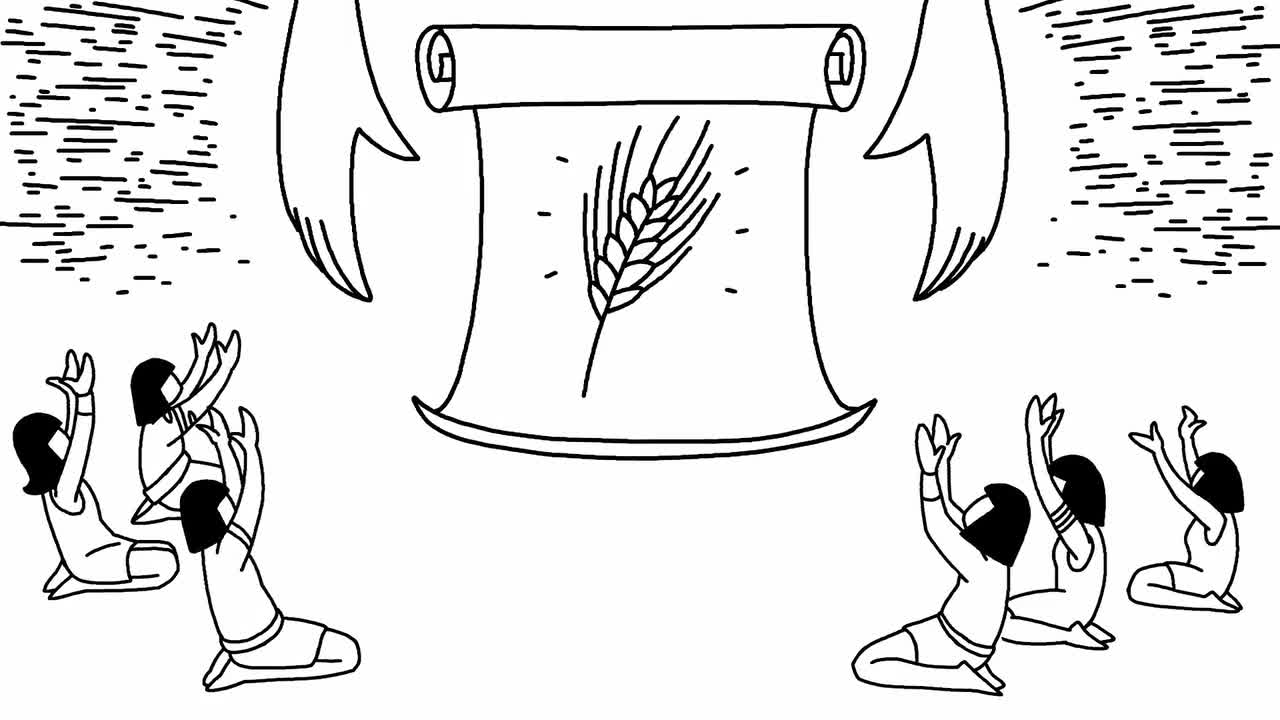
It's as reckless as if we hid the secret of agriculture and made each new generation work out how to raise wheat by themselves.
Surely the point of civilization is to share knowledge and ensure that our successors can benefit from the pain and the hard-won insight of those who came before.
It works when it comes to the secrets of pottery or physics.
Why would we not do the same with love?
So the insight is this.
If you're a little unlucky, you are liable to come across someone in your love life who will be sweet and charming and tell you with great sincerity that they want a relationship.
They will be extremely affectionate and focused on you at first.
They'll find nicknames and be tender towards small insecurities that others have missed.
Naturally, in short order, you'll fall very in love with them.
You'll start to imagine marriage in the very long term.
You'll tell friends you've found the one.
And then over time, it could be six months or six years, probably not too much longer than that something very hard to see will start to happen.
Crises will emerge.
They'll want to spend more time with their friends.
They'll be busy at work.
They'll discover a fascinating hobby.
They'll grow irritable.
They won't want to have sex anymore.
Naturally, in such conditions, you'll reach for dialogue and imagine that this is just a momentary challenge.
Let's talk about what's going on.
How can we restore kindness and sweetness?
You will try very hard.
But the person who has been so lovely for so long won't properly engage.
They may get irritable.
They may deny that anything's up.
They may come close again for a while and then the negative patterns will resume.
There is something that they're not telling us, something that sounds so weird as to defy the ordinary workings of our minds.
They are, let's put it this way, afraid of love.
They don't want a relationship that actually works, in the sense of deepens.
They thought they did, but the reality is appalling.
However, they don't quite grasp this about themselves.
Everything is happening at an instinctive level.
They don't understand why they want to cause an argument, but they do.
They don't know why they're staying out again without calling us, but they are.
They couldn't say why they're irritable, but they are.
They have a particular psychology.
It's been called, usefully in some quarters, avoidant.
Way back as children, something happened to them.
Such people are made and not born.
They picked up an appalling suspicion.
Other people are unsafe.
Therefore, I need to be on my own.
No one can own me.
I need always to have an escape route.
I don't want to be tied down.
There's always a letdown that's going to come.
And maybe even further in the recesses of their mind.
I'm a little shit, I'm ugly.
No one must get to the inner sanctum.
Of course, none of this is said, it isn't even really known.
What should be more widely taught is the danger of such people.
They truly can make us lose decades and our minds.
It doesn't make ordinary sense.
Ordinary sense says two people who like each other move ever closer and make a life of it.
But the annals of depth psychology say one person who likes another may panic, so that they move very subtly away, without ever admitting that this is what they're doing and without even quite knowing it of themselves.
What would a class on all this at secondary school advise?
That if we ever meet such a person and a quarter of the population does match this description, one must be very careful indeed not to get caught up in a web.
One must give everyone a few chances to step forward and love us, and then, if they don't, we must never, ever stay around to do a PhD in Y.
Four chances and then we're off.
If we find ourselves after years in a hot and cold situation, we don't need to find out anymore.
Love should be, essentially, quite simple.
And as soon as it gets complicated, it's a sign not of depth or romance or beauty, but of something far simpler and starker.
That we are liable to have landed on a lover who is terrified of love.
And therefore, that we must, in very short order, to save ourselves, leave.