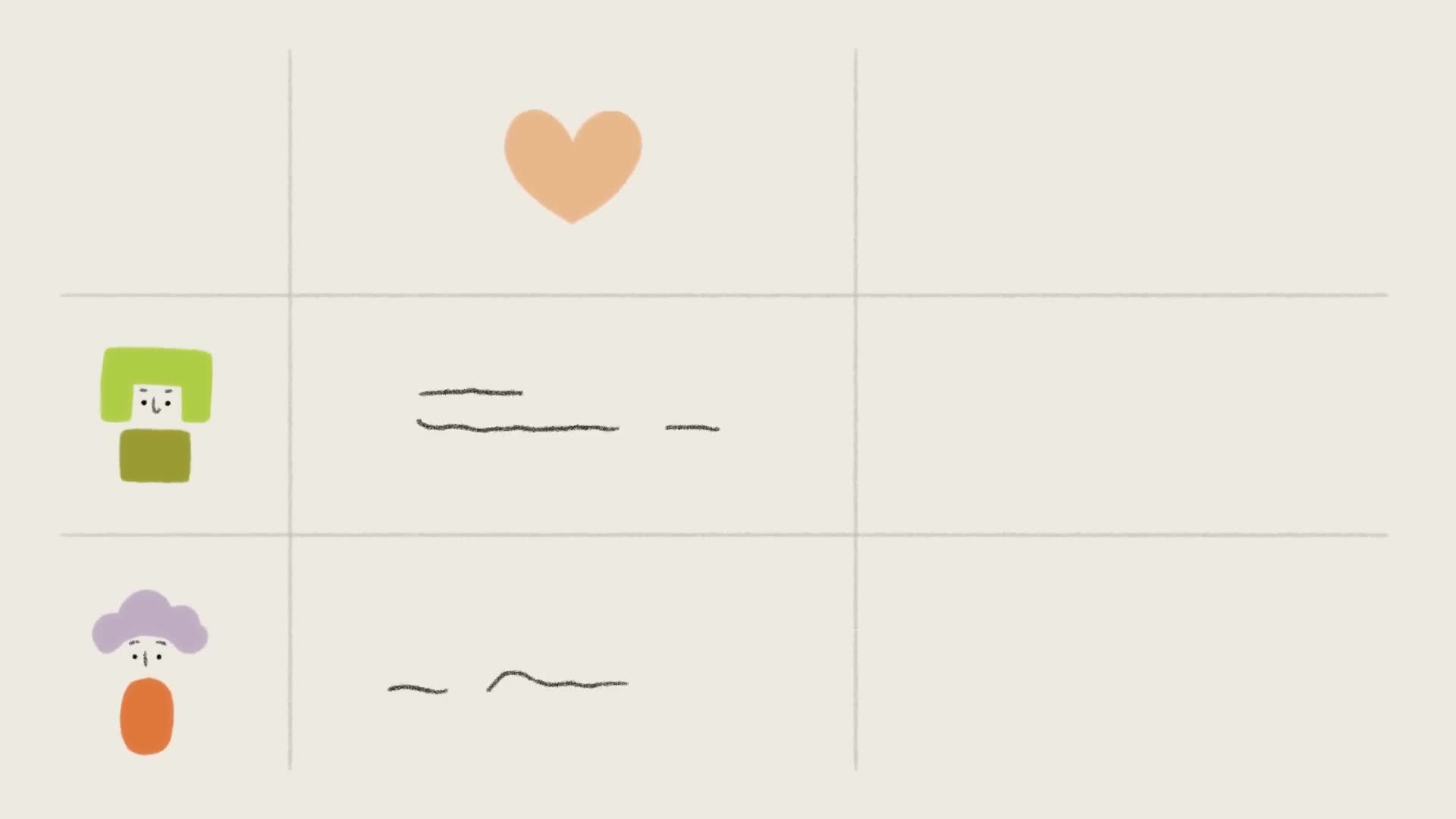
There is one question that, perhaps more than any other, gets to the root of who we are and what motivates us.
What did I need to do in childhood to win the support and approval of my parents?
We might, to sharpen the picture, need to lean on a few subsidiary inquiries.
To please my father, I needed to.
To please my mother, I needed to.
Or not to upset my mother, I needed to.
And not to upset my father, I needed to.
Whatever might be claimed, no family ever gives its offspring unconditional love.
There is always, more or less subtly, something that one has to do and to be, and other things that must at all costs be skirted.
When we look back, the commands may be obvious.
We needed to do very well at school, or be highly musical or never usurp our father or little sister.
In other cases, the commands will have been more disguised.
We would have imbibed.
A general sense omitted we know not how, that making a lot of money was vital, or that sex was disgusting, or that one's value lay almost entirely in one's looks or sporting ability.
And sometimes the commands would have been paradoxical to a degree.
We are still trying to untangle.
You must be a winner, but if you are, will feel threatened or try never to grow up because adult women or men frighten me or become extremely attached to me so that I can break your heart.
However much our attitudes and outlooks might be shaped by our countries of birth by being say Cambodian, French or Ghanaian we are always, first and foremost, citizens of those micro-republics that we call families.
By being a Sayang, a Béranger or Boyaki, each one of these lands equipped with a hugely idiosyncratic set of laws expectations, patriotisms and tyrannies, our nations may lend us a certain accent and civil code.
Our birth families tell us what constitutes a real man or woman, how much we can esteem ourselves, what we have to do to be admired and how much calm and fulfilment we deserve.
If auditing these conditions of acceptance matters, it is because, to a far greater extent than we realise, they may still be in operation and make no sense at all.
Decades after we left the republic of Niang Smith, Kekoa or Banerjee, we may still be taking immense care not to succeed too much, lest we anger a disappointed mother.
Or we're still permanently trying to appease the bad moods of men in authority, in case they lose their temper violently, as a father did four decades before.
Or we continue to expect an attack, as we did when we were in the hands of a highly damaged caregiver before our sixth birthday.
If we are still in the mood for some questions, we may need to wonder two more things.
How much am I still doing of what I had to do back then?
And how much do I like or dislike the laws of yesteryear?
We may find, to our disquiet, that we are continuing to apply to the present a set of edicts that long ago ceased to align with any of our sincere aspirations.
We continue to act the clown or the meek little girl, the terrified victim or daddy's favourite, even when the republic of home has long been disbanded, its elite resigned and its borders obliterated.
We may need to take stock of the highly distinctive mini-country that we've come from and, in certain cases, before we waste yet more time emigrate.