Get Sleepy is a production of Slumber Studios and is made possible thanks to the generous support of our sponsors and premium members.
If you'd like to listen ad-free and access weekly bonus episodes, extra long stories and our entire back catalogue, you can try out premium free for seven days by following the link in the episode notes.
Now, a quick word from our sponsors...
This episode is brought to you by LifeLock.
Between two-factor authentication, strong passwords and a VPN, you try to be in control of how your info is protected.
But many other places also have it, and they might not be as careful.
That's why LifeLock monitors hundreds of millions of data points a second for threats.
If your identity is stolen, they'll fix it, guaranteed, or your money back.
Save up to 40% your first year.
Visit LifeLock.com slash podcast for 40% off.
Terms apply.
Chronic spontaneous urticaria, or chronic hives with no known cause.
It's so unpredictable.
It's like playing pinball.
Itchy red bumps start on my arm, then my back, sometimes my legs.
Hives come out of nowhere.
And it comes and goes.
But I just found out about a treatment option at treatmyhives.com.
Take that, chronic hives.
Learn more at treatmyhives.com.
Welcome to Get Sleepy, where we listen, we relax, and we get sleepy.
My name's Thomas, and I want to say a big thank you for being here.
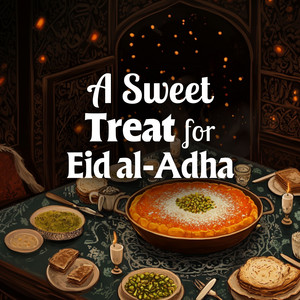
Tonight we'll be joining a woman named Bissan as she makes kanefa one of her family's favorite desserts for the holiday of Eid al-Adha.
This story was written by Shady Grove, and I have the pleasure and delight of reading it for you.
If you'd love more content from Get Sleepy and the very best listening experience, be sure to check out our member's subscription Get Sleepy Premium.
One of the best available perks is that every Thursday we release a brand new bonus episode exclusively for our members, and tomorrow we will hear a dreamy tale about a relaxing journaling workshop, narrated by the wonderful TK.
Kellman.
To find out more about all the perks of being a Get Sleepy Premium member, like ad-free listening, early access to episodes, discount on merchandise and plenty more, just visit the link in the description.
Thank you so much for your support.
Now, before our story begins, let's take some time as we always do to just settle in and relax.
Close your eyes and get nice and comfortable in your bed.
When you're ready, Allow your focus to fall on the flow of your breath, just for the next three repetitions.
Breathe in slowly and fully.
And exhale gently.
Again, breathe in and breathe out, keeping your focus on the movement of the breath.
And once more, breathe in deeply, and softly exhale.
Tonight's story is one about celebration and community.
Each and every one of us belongs to some kind of community, whether that's because of where we grew up, what we believe in, or even a certain kind of hobby we might have.
In fact, being here for this story right now makes you part of a community of listeners.
Most of us are part of several different communities, spaces where we feel like we belong and are safe and welcomed.
I'd like you to think about a community that's important to you.
One where you feel supported and loved.
Think about that feeling of having a place or a space, even a virtual one, where you can truly be yourself.
Let those feelings of safety belonging, care and love wash over you as you listen to the sound of my voice.
And let them carry you through tonight's story into a deep and restful sleep.
Now, let's travel to a neighborhood where Bissan feels right at home.
This is where our story begins.
Besson walks through the aisles of her local Middle Eastern market, a shopping basket swinging lightly from the crook of her arm.
She's picking up the last few items on her list before heading home.
Tonight is the first night of Eid al-Adha, and this year it's Bissan's turn to make her family's favorite dessert.
She turns into the refrigerated section and pauses in front of the cheeses.
She's come to this particular market because it's the only place nearby that stocks the exact type of cheese she's looking for.
Nabulsi cheese from her family's hometown of Nablus is a firm white cheese that's perfect for baking and frying.
Soon she finds it, a clear jar filled with brine and chunks of cheese.
She places it into her basket along with some ghee or clarified butter.
Then she finds a bag of semolina, a type of flour made from durum wheat.
She has all the other ingredients she needs at home.
So, she heads to the checkout counter.
The cashier grins as he puts her groceries into a bag.
Eid Mubarak, he says, which means Blessed Eid.
It's a greeting that's used during both Eid celebrations Eid al-Fitr, or the breaking of the fast after Ramadan, and Eid al-Adha, the festival of sacrifice, which honors Abraham's willingness to sacrifice his son Ishmael.
These two holidays are based on the Islamic lunar calendar, so they happen at different times each year.
He hands her the bag and says he hopes she and her family have a good meal tonight and by the looks of it he's sure they will.
This neighborhood has a large Middle Eastern community and this small market stocks everyone's favorite items from their respective countries.
Busan is grateful this shop is here, and tells him that.
It's a little taste of home, he says warmly.
Bissan agrees and walks out of the market with a smile.
Her parents only live a few blocks away.
This is the neighborhood Bissan grew up in, and she's always happy to come back for a visit.
She tries to see her parents at least once a week, which usually means seeing several of her cousins and aunts and uncles a few times a month as well.
Her family is tight-knit and it's always a good time when they get together for a meal and conversation that lasts well into the night.
Basan was born in Nablus, but her parents moved when she was a baby, so she doesn't remember it at all.
But she feels as though she knows it well, from all the stories her family tells.
A sprawling city with old stone buildings, cobblestone streets and green and brown rolling hills in the distance.
The shadow of a tree dances on the pavement as Bessan makes her way down the road.
The sun peeks out between the branches, speckling the road with light.
Soon, she arrives at her parents' home.
Opening the door, she steps into a warm house filled with the cozy smell of cooking.
Her mother kisses her cheek and ushers her inside, taking the shopping bag from her arm.
Together.
They make their way into the kitchen, where Busan's Aunt Nadia is standing over a cutting board.
Nadia is originally from Hebron, about 50 miles south of Nablus.
She met Bessan's uncle when they were both studying at university.
Every Eid, she cooks a dish her mother always used to make on special occasions, called Kidra.
It's a famous dish from Hebron, made of spiced lamb, chickpeas, and fragrant rice.
Bessan watches Nadia as she expertly chops onions and garlic, and measures out the aromatics.
Soon, the stove will be filled with pots and pans of simmering ingredients, releasing the most delicious scents.
Basam begins to array her own ingredients on a patch of free countertop in the corner of the kitchen.
This is where she'll prepare the kanaffa, Nadia smiles warmly, and Bessan returns the look.
A mutual understanding between two cooks sharing the same workspace.
They'll try not to bump elbows too much during the day.
The first thing Bissan does is take the chunks of Nabulsi cheese out of the brine and set them in a tub of water to soak.
This will remove some of the salt, making it better for blending with the sweet flavours of the dish.
The cheese needs to soak for several hours.
Kanafa comprises layers of sweet cheese and shredded fine crispy dough called kataifi, soaked in an orange blossom or rosewater sugar syrup and decorated with crushed pistachios.
It's a wonderful mix of savory and sweet.
Busan thinks every flavor perfectly complementing the rest.
She plans to use orange blossom water today, as she's always liked it a bit more than rose water, though both make for a delicious dish.
Now that the cheese is soaking, Bessan will prepare the kataifi.
After it's baked, it needs to cool for a while before she can use it to make the kanafa.
She preheats her oven to the highest setting and then measures the right amount of semolina along with flour, baking powder and cornstarch or corn flour.
Then she adds some powdered milk.
She melts a bit of ghee on the stove in a small saucepan.
She adds that to the dry ingredients along with lukewarm water.
Now it's time to knead the dough.
She pours it out onto her work surface and begins to move and push the sticky ball.
As she rolls and folds it beneath her fingertips, she feels it growing smoother and denser, coming together into the perfect dough.
She rolls and pushes, folds and squeezes.
Time passes peacefully as she falls into the meditative rhythm of kneading the dough.
She listens to Nadia chopping across the room and hears the distant sound of laughter as her mother welcomes more family at the door.
When the dough is ready, she rolls it into a circle and presses it onto the bottom of a tray lined with parchment paper.
She places the tray into the hot oven and then turns the oven off.
The kataifi will bake for nearly an hour, using only the residual heat.
Bissan wipes her hands together and washes them in the sink using her mother's favorite lemon-scented soap.
With the dough baking and the cheese soaking, she has some time to spare before she gets back to work.
Bissan offers Nadia a cup of tea and her aunt smiles, accepting gratefully.
She puts the kettle on and sits on a stool waiting for it to boil.
She watches Nadia's hands moving deftly over the stove, adding spices, stirring vegetables and checking on the rice.
The sweet scent of cardamom, cinnamon and cloves mixes with the earthy fragrance of bay leaves and black pepper.
The Kidra is going to be delicious, Bisan knows.
She takes a deep breath, relishing the familiar smell of this comforting food.
The sound of the water beginning to softly boil fills the kitchen, along with a bit of steam.
Bissan shakes some loose-leaf black tea into the teapot, along with several sprigs of fresh mint.
When the kettle whistles, she pours the hot water over the mint and tea mixture, letting it steep for several minutes.
She spoons a bit of honey into two mugs and then pours the minty black tea over the top.
She hands her aunt a mug and keeps one for herself.
Though she's in the middle of cooking, Nadia pauses to take a sip of the tea.
Bessan recognizes the look of contentment on her aunt's face as she is feeling the same way.
Bessan drinks her tea, listening to the familiar sounds that fill the house.
The chattering of family in the other room, the sizzling and hissing of food on the stove, the occasional tick or pop from the oven as the temperature changes.
When it's time to take the kataifi out of the oven, Bissan slips on a pair of oven gloves.
She slides out the tray onto a cooling rack, which is set up on the counter.
She'll let it sit for a while before making the kanafa.
Nadia has moved on from preparing the kidra to making sarj bread.
The delicious flatbread will be served later with the rest of the food.
While the Qatayfi cools, Basan decides to check in on the rest of her family.
She knows a handful of cousins and other relatives arrived while she was making the dough, so now is a good time to go and say hello.
Bisan heads into the living room, where she finds her cousins sitting on three sofas and several chairs.
There's Hanan, who lives about an hour away, and her brother, Haitham, who's going to school nearby.
But Bisan doesn't recognize the person sitting next to him.
Haitham introduces him as Salim, his roommate at university.
They all get chatting with one another, and soon Salim is telling Bissan about his family.
His parents still live in Indonesia, but he's come here to study for a year on an exchange program.
He wasn't sure what he was going to do for Eid, but was excited when Haitham invited him to spend the holiday with his family.
Salim and all the cousins swap stories about their parents, their hometowns and past holidays spent here or elsewhere.
A few years ago, Salim and his family traveled to Saudi Arabia, he tells them.
They spent Eid al-Adha in the city of Mecca that year.
Mecca is considered to be the holiest city in Islam.
It was the birthplace of the Prophet Muhammad and is home to the Kaaba, a cube-shaped structure made of stone that sits within the Great Mosque and is known as the House of Allah.
No matter where they are in the world, Muslims face the Kaaba in Mecca when they do their daily prayers.
According to the Quran Abraham, or Ibrahim, and Ishmael or Ismail raised the foundations of the Kaaba, which many believe sits on the site of a shrine first built by Adam.
In the eastern corner of the Kaaba is the Black Stone given to Adam so he could obtain forgiveness for his sins when he was sent out of Paradise.
If they are able to, both physically and financially, Muslims are encouraged to make a great pilgrimage or Hajj to Mecca at least once in their lives.
It takes place at a specific time of year according to the lunar calendar, and Eid al-Adha coincides with the climax of the Hajj.
During the Hajj, Muslims visit the Great Mosque and walk anticlockwise around the Kaaba seven times.
This ritual is called Tawaf.
It shows that one's life revolves around one's beliefs, and also symbolizes unity, with millions of people coming to Mecca to perform it together.
If they are able to, pilgrims may touch or kiss the black stone during the walk.
Bissan and her cousins listen in rapt attention as Selim describes his family's pilgrimage.
What a wonderful experience they must have had, feeling such a strong sense of community with so many others who had made the same journey.
Nobody in Bessan's family has made the pilgrimage to Mecca yet, but they hope to someday.
Bessan smiles, telling Salim that she's glad he could join their family for Eid this year.
Then she asks if he's ever tried kanafa before.
Selim shakes his head.
He's in for a sweet surprise then, says Hytham.
Canuffa is the best dessert.
Bisan laughs secretly, hoping her canuffa turns out alright, since it's the first year she's making it.
Speaking of Kanafa, she'd better go and check on the dough, she says.
In the kitchen, she finds Nadia whipping up a batch of her famous hummus.
Bisang can smell the richness of the olive oil and the sharp tongue of the fresh lemon she's adding.
Bisan watches Nadia pour an elegant swirl of hummus into a colorful serving bowl, then drizzle it with the thick yellow olive oil and sprinkle it with deep red sumac.
Nadia carries it out to the living room for the rest of the family to eat as an appetizer before dinner.
Bissan takes a spoon from the drawer and scrapes the side of the mixing bowl, enjoying a bite of the earthy hummus before getting back to her dessert.
First, she preheats the oven a second time.
Then she removes the Nabolsi cheese from the water.
From the refrigerator she takes out a package of a kawi cheese, another white cheese that she'll mix in.
She grates the cheeses into a bowl and sets it aside for later.
Now that the kataifi has cooled, Bissan removes it from the pan and breaks it up into smaller pieces.
Then she pulls out a food processor and pours in the pieces of dough.
She presses the button, and the appliance swerves to life.
When the dough is shredded so it resembles small, fine crispy noodles, it's ready to be mixed with some melted ghee and a dash of red food coloring, which gives the dessert its classic burnt orange hue.
Bissam presses half the shredded bits into the bottom of her baking dish.
Then, she covers it in a thick layer of grated cheese.
Finally, she adds a second layer of kataifi, so it's cheese sandwiched between layers of the baked and shredded dough.
She covers the whole thing in aluminium foil and places it in the oven to bake for about 30 minutes.
While it's baking, she makes the sugar syrup.
Bissam places a small saucepan on the stove over medium heat.
She pours in water, lemon juice, and sugar.
She lets it simmer for several minutes until all the sugar has dissolved.
Finally, she removes the pan from the heat and stirs in the orange blossom water.
The sweet fragrance of the syrup fills the kitchen and brings a smile to Bassan's face.
She finds some crushed pistachios in a jar in her mother's cabinet.
Now, everything is ready to complete the dessert.
Soon, Nadia joins her in the kitchen to make the final preparations for dinner.
She assembles the Kidra with chunks of lamb and nutty chickpeas nestled in the fragrant yellow rice.
She stacks the sarge bread on a large platter and covers it with a tea towel to keep it warm and soft.
She uses a large spoon to scoop various side dishes, spreads vegetables and condiments into a variety of bowls.
A few cousins come into the kitchen to help them carry the food out to the table, which has been laid with plates and cutlery.
Bissan's parents invite everyone to join them at the table.
Back in the kitchen, Busan is ready to put the finishing touches on her dessert.
Once the canapha is finished baking, she removes it from the oven.
She pours the sugar syrup over the top and sprinkles the whole thing with crushed pistachios.
It's a magnificent sight a large crispy orange circle with bright bursts of green pistachio dusted on top.
Once it's cut, the melted white cheese will spill out of the sides.
Bissang can already imagine her first bite.
Sweet, floral, with a dash of savory salt.
Carefully, Bissang carries the canapha out to the table.
The fruity and flowery scent of the dessert wafts behind her as she walks through the kitchen and into the dining room.
Setting it on the table.
Bessan takes a moment to look around at everyone here in the room with her this evening.
The first night of Eid al-Adha.
These are her people, her family, and a new friend.
No matter where they are all from or where they've lived before, they are all her beloved community.
What a wonderful gift to be able to enjoy this time together.
The sun thinks to herself before sitting down to enjoy a meal here in the comfort of home.
Thanks for watching!
Let's pray.
Thanks for watching!
Thank you.
.
.
.
.
Thanks for watching!
Let's pray.
Thanks for watching!