[일상생활에서 자주 쓰이는 유용한 영어 표현 가이드]-[Speak Chunks of Everyday Natural English Repeat-After-Me Speaking Echo-Me]



📋 Summary
일상 영어 회화: 상황별 핵심 표현 익히기
일상적인 대화에서 자연스러운 영어 구사는 상대방과의 관계를 돈독히 하고 소통을 원활하게 만드는 핵심 요소입니다. 본 방송에서는 매일 사용할 수 있는 네 가지 핵심 영어 표현을 통해 감정을 표현하고, 갈등을 해소하며, 타인을 격려하고, 상황을 명확히 전달하는 방법을 다룹니다.
1. 설렘을 표현하는 법: "I can't wait"
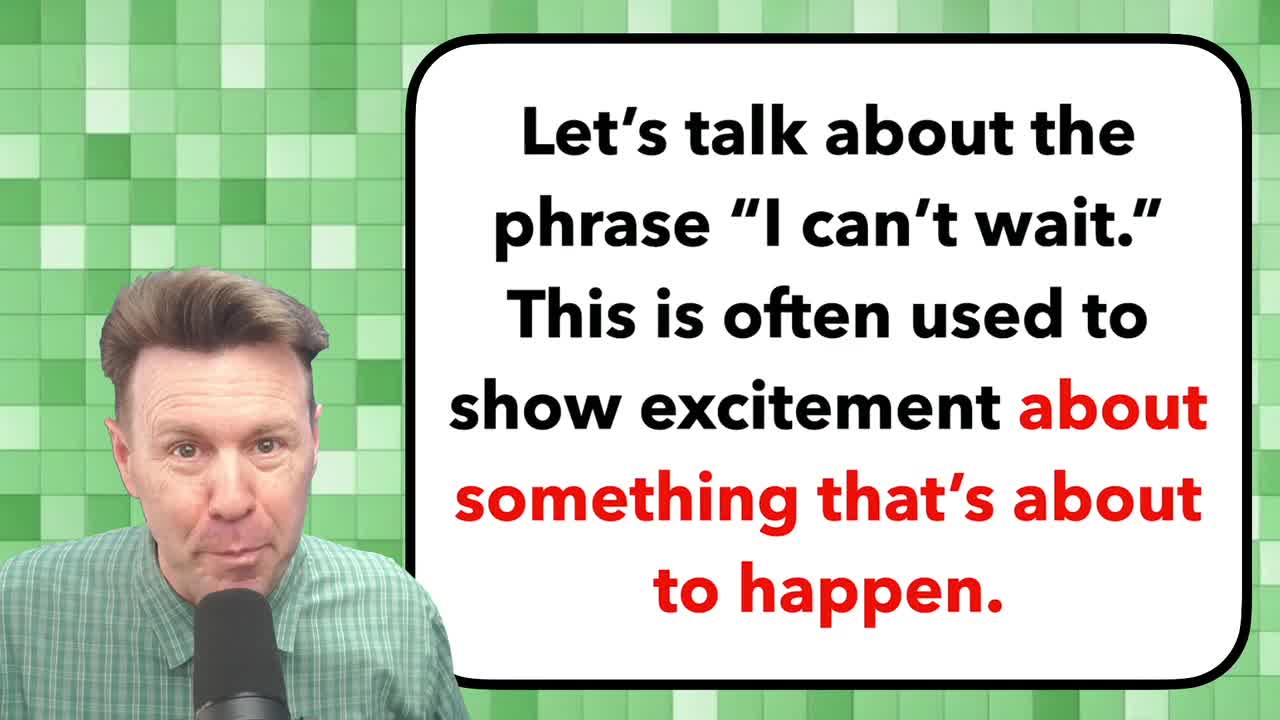
"I can't wait"은 무언가 곧 일어날 일에 대해 강한 기대와 흥분을 나타낼 때 사용하는 표현입니다. 단순히 기대감을 드러내는 것을 넘어, 상대방과 나의 감정을 공유하며 대화를 시작하는 훌륭한 'conversation starter'가 됩니다.
- 활용 예시: "I can't wait for the weekend"(주말이 정말 기다려져요) 또는 "I can't wait to see the movie tonight"(오늘 밤 영화 보는 게 정말 기대돼요)와 같이 사용할 수 있습니다.
- 핵심 포인트: 친구가 콘서트 티켓을 구했다는 소식을 전했을 때, "Oh wow, I can't wait. I've been looking forward to it all week"라고 반응함으로써 자신의 열정을 보여주고 긍정적인 에너지를 형성할 수 있습니다.
2. 갈등을 방지하는 유연함: "It's not a big deal"
사람은 누구나 실수를 할 수 있습니다. 상대방이 작은 실수를 하거나 사과할 때, 이를 대수롭지 않게 넘겨주는 것은 관계를 원만하게 유지하는 비결입니다.
- 활용 예시: 누군가 책을 가져오는 것을 잊었을 때 "That's okay. It's not a big deal"이라고 말함으로써 상대의 부담을 덜어줄 수 있습니다.
- 핵심 포인트: 이 표현은 스스로를 'easygoing'(너그러운)한 사람으로 보이게 하며, 갈등을 피하고 분위기를 'positive and light'(긍정적이고 가볍게)하게 유지하는 데 큰 역할을 합니다.
3. 타인을 위한 응원: "You can do it"
누군가 새로운 도전을 앞두고 긴장하고 있을 때, 짧지만 강력한 격려의 말은 큰 힘이 됩니다. "You can do it"은 상대방에게 지지와 자신감을 불어넣어 주는 동기부여의 표현입니다.
- 활용 예시: 면접을 앞두고 긴장한 친구에게 "You'll be great. You can do it"이라고 말하거나, 운전면허 시험을 걱정하는 친구에게 "Don't worry, you've practiced a lot. You can do it"이라고 말하며 응원할 수 있습니다.
- 핵심 포인트: 이러한 작은 표현들이 모여 'true friendship'(진정한 우정)이 자라나며, 상대방이 혼자가 아님을 느끼게 해줍니다.
4. 상황 전달의 명확성: "I'm on my way"
약속 장소로 이동 중임을 알리는 것은 예의이자 책임감 있는 행동입니다. "I'm on my way"는 일상적 상황뿐만 아니라 업무적인 상황에서도 매우 자주 쓰이는 필수 표현입니다.
- 활용 예시: 누군가 "Are you coming?"이라고 물을 때 "Yes, I'm on my way"라고 답하거나, 상사가 "Are you arriving soon?"이라고 물을 때 "Yes, I'm on my way. I'll be there in five minutes"라고 구체적인 시간을 덧붙여 말할 수 있습니다.
- 핵심 포인트: 이 표현은 의사소통을 명확하게 만들고, 자신이 상대방과의 약속을 소중히 여기는 'responsible'(책임감 있는) 사람임을 보여주는 지표가 됩니다.
결론
언어 학습은 한 걸음씩 나아가는 과정입니다. 위에서 배운 표현들을 매일 반복 연습함으로써 자연스럽게 자신의 것으로 만드는 것이 중요합니다. "Keep it up"(계속 노력하세요), 그리고 "keep moving forward one step at a time"(한 번에 한 걸음씩 앞으로 나아가세요). 이러한 실천이 당신의 영어 실력을 향상시키고 대화의 질을 높여줄 것입니다.