Ted Audio Collective You're listening to Ted Talks Daily, where we bring you new ideas to spark your curiosity every day.
I'm your host, Elise Hugh.
What's real in a virtual world?
I ask myself this more and more these days, as we enter a new way of living that blends with augmented and virtual realities.
And there's no place like social media to bring that tension front and center.
Scroll through Instagram and you might run across some of virtual human producer Sarah Giusto's influencer clients.
She works with them to help amplify and pitch brands to followers.
That's normal, right?
But her influencers aren't human.
Inside how virtual influencers work and how they fuse with AI is after the break.
And now, our Ted Talk of the Day.
Hi, everyone. I'm Sarah and I'm a talent manager.
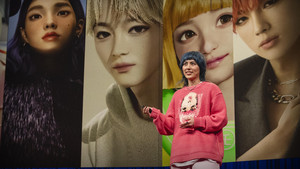
Who do I manage? A girl named Ima.
She's a fashionista that lives in Tokyo.
She posts about her life and her outfits on social media platforms like Instagram, TikTok and X.
She has a younger brother named Zen that she always gets in a fight with, a little dog named Einstein that she takes for walks.
Her favorite food is yakitori, and she sits first row of fashion shows and dances to TikTok videos.
Yep, just a normal girl online.
Except she doesn't exist.
She's a virtual human made from CGI, born in 2017.
In other words, she's a fictional character made from 3D softwares, a unique blend of softwares like Amaya and Unreal Engine, and a bit more.
She's not a mimic or a copy of anyone that's existing in real life.
She's a complete original character.
Oh, and that brother that she has?
Yep, you guessed it.
He's not real either.
I wish he was, though.
We manage him and dozens of other virtual humans around the world.
And in the near future, we're integrating them with AI so that they become autonomous virtual humans that you can have a conversation with.
Yes, they exist in the virtual world, but these virtual humans have an impact in our real world too.
Ima has repeatedly shared her opinions on real -world issues, including climate change and Black Lives Matter.
She initiated a community get -together in the virtual world during COVID for people who are feeling lonely and isolated.
She also shares about her Japanese culture and subculture to her global audience.
For these actions, she was actually chosen as one of Forbes Woman of the Year, right beside the likes of climate change activist Greta Thunberg and former US First Lady Michelle Obama.
She's also been featured in Tokyo 2020 Paralympics in the closing ceremony and has been awarded an award from the government of Japan for her actions in going to Cambodia and voicing about its domestic violence issues.
She's also in real campaigns.
She's worked with brands from Amazon, Porsche, BMW, Skincare brand SK2, IKEA and more.
Right now, you can actually see an ad of her all over the world with her campaign with Coach, Ripeside co -star Lona Sacks.
She's also in real magazines on the covers from Harper's Bazaar, Vogue and Wonderland.
Yes, she doesn't technically exist, but the younger generation of Gen Z don't care.
Gen Zs love her because they feel a real connection to her.
For them, there's not much of a difference between someone that is real -life breathing that's doing Instagram and a virtual human like Yima.
For example, I know a lot of Gen Zs love Kylie Jenner, and even if they've never met her before, they feel like they know everything about her, from where she takes her family to vacation, her aspirations and to even what she's for breakfast.
Why? Because she posts these things online, and people feel a real connection to her.
Same thing with Yima.
She posts about her life online, and people feel a real connection.
She posts an outfit picture, and people would ask, where's that dress from?
She gets a lot of questions about her perfectly -cut bob hair, too.
People want to know who's the famous hairstylist that's keeping it perfectly cut.
He or she doesn't exist because the hair is not real.
Like this, people love interacting with her, sharing about their life to her and even giving her real -life advice when she needs it.
And, I mean, I think we've all caught up by now, scrolling through Instagram, TikTok or live.
What's really real in the virtual world anyways?
And now, back to the episode.
Now, does all of this scare any of you?
Maybe it does, but I promise, I'm not a scary, AI, evil, virtual human scientist.
I'm actually quite the opposite.
I'm a human lover. And I truly believe that this virtual human technology will better our world and make the treasures that we have as humans our love, our connection and our self -expressions way better.
Before all of this, I used to be an artist.
I still am a heart, but like most artists, all my life I've been searching for something beautiful and meaningful.
I felt like I found it, the beautiful and meaningful in Ima, when I first laid eyes on her.
Well, actually, I'm not going to lie, when I first saw her, I was like, what the heck is this?
But the more I thought about it and thought about the real connections that people are having with this piece of technology, I was amazed.
I thought it was revolutionary, because all my life, technology to me has been something useful, something I use every day, but it was never personal to me.
For example, I would ask Siri, what's the weather like?
And it would say, it's 11 Celsius today, and that was it.
I didn't really have a connection or relationship with it.
But humans are innately emotional creatures, and our world moves with what moves our hearts.
So what if we can get that same feeling from technology?
What if we can create relationships, like we do with friends, family, coworkers, and even with our alternative selves through virtual humans?
What if we can have a positive impact in different industries from medical, educational and entertainment, all leveraging on the deep connection between humans and technology?
Ima is the first example of so much more to come.
If there was a book of virtual human history, we're barely on page one.
We shouldn't get caught up in the topic of what's real and what's not real, because I mean, what's really real anyways?
We should get away from the dystopian narrative of the virtual world that we have and seize possibilities for human connection and possibilities for human expression.
Because human possibility, it's the same as technology.
It's limitless. Thank you.
That was Sarah Giusto at TED 2024.
If you're curious about TED's curation, find out more at TED .com slash curation guidelines.
And that's it for today.
TED Talks Daily is part of the TED Audio Collective.
This episode was produced and edited by our team.
Martha Estefanos, Oliver Friedman, Brian Green, Autumn Thompson and Alejandra Salazar.
It was mixed by Christopher Faizy -Bogan.
Additional support from Emma Taubner and Daniela Balarezo.
I'm Elise Hugh. I'll be back tomorrow with a fresh idea for your feed.
Thanks for listening.