Discussion keeps the worldturning.
This isRoundtable. Helloeverybody, welcome toRoundtable.
Coming to you live fromBeijing.
I'm ayoung. Good as always to have you join us on today'sshow.
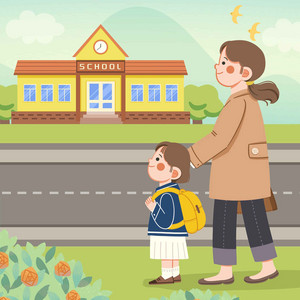
Parents are now stepping into classrooms at some elementary school campuses in Beijing and Shanghai as part of a new cooperative educationmodel.
While this aims to foster stronger bonds betweenhome, school and possiblycommunity, it raisesquestions.
Could this kind of parental involvement transform education for thebetter?
Is it fair to expect such high level of involvement from busyparents?
And we're on a mission of starting your week with MotivationalKick.
Our Motivational Monday offerings will get you ready to tackle theweek.
For today'sprogram, I'm joined by Li Yi and Brandon Yates in thestudio, first on a day'sshow.
What ifschools, families and communities work together seamlessly to educatechildren?
That's the ambitious goal of the new education model at Beijing number two experimental elementary school where parents are actively participating in school life from guiding study tours to leading discussions on civicresponsibilities, this cooperative approach integrates various societal resources into the educationalprocess.
LiYi, could you give us the thumbnail on what exactly is going on in theschool?
Sure, as yousaid, this Beijing number two experimental primary school has been working to make the school more open toparents.
By keeping them more involved in theclassroom, I mean daily courses and also various activities inside thecampus.
Forexample, just recently at the Doshun campus of thisschool, some parents of six graders joined their children in an art class and an Englishclass.
And according to the sixgraders, certain the youngparents, thought their classes were so funny and wished they would have such interesting classes when they were atschool.
And also after thisclass, those parents had a meeting with the teacher to talk about the course design and also how they feel about the course and also the ideas about the schoolmanagement.
They can also express their opinions andadvice.
So at thisschool, parents of each class would just attend at least two courses with their children all together each semester and each teacher of all grades should have at least one lesson open to parents everyyear.
Sobasically, they are trying to encourage parental presence in the classroom and inside the campus aswell.
Right. And that's only oneexample.
Other schools are doing stuff similar to this inChina.
And do you like thisidea,Brandon?
What was it like for you in SouthAfrica?
This is very common in theWest.
So in SouthAfrica, we would have parents participate in lessons going as far back as the first grade all the way up to your final year of highschool.
And I think it's very important because while I think it's very important for schools and school boards and teachers to be able to have the majority of the say of their curriculum and what's being taught and what's beingdiscussed, I also think it's very important for parents to be aware what sort of information and what sort of topics children arelearning.
We never really had any issues that I can think of in South Africa where parents vehemently disagreed with some of the content that was being discussed or what was beingtaught.
But I know in theUS, just recently in the lastyear, so there's been huge issues about parents being incredibly upset with some of the content being discussed and being taught to theirchildren.
A lot of parents are being complaining that the kids are being indoctrinated and a lot of the content in schools is very politically driven and very culturallydriven,etc.,etc.
So, youknow, I think in terms ofChina, I think it's great that parents who have the time are taking the time to be actively involved in theirkids'education.
And in SouthAfrica, it's a similarsituation, although it's morefrequent, but in theUS, it seems to be happening because parents are disagreeing a lot of the times with what's being taught in certainstates.
Forexample, in heavily democraticstates, there's probably more right-wing parents that are disagreeing with some of thecontent, whereas in more redstates, then you probably find that some of the parents think that some of the things that are being taught are not liberalenough.
So that seems to be the biggest issue in theUS.
But in SouthAfrica, it was more like parents wanting to just kind of keep abreast of what is going on in theirkids'lives.
Right. How do you feel that Lee just told usthat, youknow, for everysemester?
So, inChina, I think we have two semesters in one schoolyear, and then is it kind of required to attend at least twoclasses?
Is that for every parent of everychild?
Yes, every parent of everychild.
I think that is quite intensebecause, youknow, obviously a lot ofparents, youknow, fathers and mothers alike have incredibly busyschedules.
And Imean, I think even compared to theWest, I think just generally Chinese people work a lot harder and morehours, at least compared to SouthAfrica.
So I think it is quite tricky for parents to find thattime.
But that beingsaid, I think if there's communication between whatever company the parents workfor, or they're just direct communication with their bosses and theschools, and if those schedules can be planned inadvance, then I think it'sdoable.
I think not only forparents, but also it's a thing for children and teachers because I believe it's not really a new thing here for schools in China because when I was in my primaryschool, and also middleschool, we do have this sort of like one open day eachsemester, each year that is open toparents.
And also like teachers from other schools can also be invited to joinyour, Imean, class and to see how teachers in this school are conducting theirteaching.
But Imean, if it's really happened once in ayear, then it is a bigthing.
Sosomehow, if it's lessfrequent, youmean?
Yes, lessfrequent.Yeah, then it will naturally just become a biggerevent.
Biggerevents,yeah.Yes, Imean, that's the thing because as akid, Iremember, youknow, in some extremecases, my teacher would just even have this rehearsal before this finalpresentation.
Ofcourse, it's like a teacher'sexam.
Yeah, like a teacher'sexam.
So it'salso, youknow, making a huge burden on teacher aswell.
And also for children aswell, I prefer actually to not have my parents so involved in my campus because I feel that'smy, youknow, that's myplace.
That's really where I try to do all the either academic work and also try to communicate with otherpeople, sort of like my littleworld.
So I'm not really sure about how children think about thisidea.
I can tellyou, if I was aparent, my kids are not allowed to own littleworld.
Like, if I'm paying for yourschool, I'm not allowed to dothat.
I'm paying for your school and you're getting an education as a parent while you're under my house and my rules and I'm yourguardian, I need to be very aware of what sort of information and content you'reconsuming.
That'sjust, that would be my attitude as aparent.
Okay, but you're already getting school reportsand, youknow, your WeChat groups that were not shutup.
But if you're notthere, anything could behappening.
You neverknow. That's thething.
I think that was the concern with a lot of parents in SouthAfrica, forexample, is that theyjust, youknow, seeing asbelieving, I think in a lot of thecases, Imean, they definitely do trust the teachers and the curriculumand, youknow, assume that the information and the feedback that they're getting isaccurate.
But I think there was definitely a feeling amongst a lot of parents that they wanted to as frequently as possible without being controlling or without affecting the teacher'sjob, just to be able to see what is being taught to theirchildren.
Because Ithink, especially at a youngage, it can really formulate how people will then think and behave in the future when youare, youknow, shaping youngminds.
Right. But in thatcase, how effective is going to the classroom twice every semester for you to fully grasp what the kid has beentaught?
That's thething. It's probably not frequent enough at thatpoint.
But also it's already a lot of work for averageparents.
Andalso, let me just give you a glimpse of what it's like to go to school in the UKas, youknow, I was schooled here for some years as a kid and we had the annual open school day and similar to what you just described toeveryone.
And when I was going to high schoolin,well, they call it A levels in theUK, I went to a boardingschool.
And I remember it was just quite astonished by how involved parents were in how to run theschool, how to conductclasses.
And there are a lot of activities that happens onweekends.
And thenthe, it's a lot of pressureon, Iimagine, the moms because they'rerequired.
It's called picnicday.
And they're required to bring a full spread ofpicnics.
Everyweekend.Often, not everyweekend, butoften.
Like at least once every or every othermonth, I feel I enjoysummertime, springtime when the weather is miraculously nice in theUK.
There are so many of theseactivities.
And then because it was quite a poshschool, themoms, they were rolling out like neat napkins with multipledishes.
And likethe, and apparentlythey, they feel they should cook thefood.
I don't know if they buy from waitress ornot.
There's probably heavy competition amongst the moms aswell.
Itis. And I remember just feeling on the onehand,wow, I've never seen anything likethis, how involved the parents are or the momare.
And alsothat. And I waslike,wow, I would not want to be a woman leading thatlife.
Anyhow, I found out later that these were all stay at homemoms.
So their full time job is todo, is revolving thehouse, revolving thekids.
And that gives them time to practice and perfect their skills and toget, youknow, all involved andparticipate.
And forChina, most of the families have twobreadwinners, bothworking.
Or single moms thattoo.
Imean, forexample, in SouthAfrica, my mom definitely found it difficult to participate as actively as some of the other moms did because like yousaid, a lot of moms are full-timemoms.
But my mom was a singlemom, a working mom and wasalso, youknow, taking care of two kids at two separate schools and also trying to be involved in all of those school days and lunch days andstuff, so for working moms and working singlemoms, it becomes aserious, it's reallydifficult.
Imean, they want to doit, but it also is a lot of added pressure into theirlives.
I think we're talking about to what extent parents and teachers should be in charge of all this school work because there has been this debate or discussionthat, youknow, some parents believe that if I sent my kids toschools, then it should be theteacher.
Imean, the schools who are in major responsibilityof, youknow, either taking care of their academic work and giving them assignment and also tryingto, even the whole educationthing, they think it's really the responsibility of teachers inside thatcampus.
And forthem, they can simply just offer the bread for thekids.
But I think this perception is beingchanged.
And also when you look at this sort of initiative launched by these primaryschools, I think they are trying to get more parentsinvolved.
They are trying to raise their awareness that parental involvement is so important for one kid's overalldevelopment, not only for their academicsuccess, but also for their comprehensivedevelopment, Ibelieve.
But is thisoverrated? Because what I hear from all the parents around us in ouroffice, they're all likethe, youknow, the Wichad group would not stop with newmessages.
And then when you're at some meeting and you're not supposed to look at your phoneafterwards, you see like a hundred new messages in thatgroup.
You don't even know where to start to read thatstuff.
And also so much of the homework is requiring the parents to look at yourkid, guarding them as they doit.
I don't understand why and how it's evolved tothat.
And also you help with your kidshomework, you help with them with all thisstuff.
And now you're involved into school aswell.
Gosh, I need to quit my job and be that full-time mom for that tohappen.
We often talk about balancing acts on theshow.
And I thinkagain, this is another example of where balancing the extremes is very importantbecause.
And I also think obviously most of the responsibility in terms of day-to-day care of the children should fall under the schools and theteachers.
And I think parents should be invited to actively participate in theirkids' education and day-to-day schoollife.
And I think determining how involved they want to be should be up to theparents.
I don't think the school should be determining how involved the parentsare.
I think the school shouldsay,look, we want you to be involved in yourkids' education and schoollife.
But you need to let us know how much time you're willing to dedicate to such and such aprogram.
Yeah, I think the major reasonhere, Imean, trying to put my feet in the shoes of those schools and teachers is that nowadays you do see like raisingattention, I mean increasing attention from parents toward their children not only for their academicwork, but also their overall performance andwork.
And also maybe thekids' social life aswell.
So they want to know everything about this kid in thecampus.
So they're just keep asking questions to teachers and toschools.
That's my kid performing and how he was she doing in terms of having this interpersonal relation with other kids incampus.
So also I was defeating thatpressure?
Yeah, so that's also a pressure for teachers aswell.
So maybe that's why they're trying to make all those work more transparent toparents.
So they try to build this sort oftrust, but somehow it's also becoming a burden for bothsides, Imean.
And also I wonder how many parents are truly putting their feet down and want to be thisinvolved.
Yes, I understand you want a certain level oftransparency, you want to know what your kids aredoing, how they'redoing, especially if they're having maybe they're being really quiet for some time and then you want to know what's going on with thekids.
But I wonder if how many parents feel that they've been sucked in into thisgrind, that they feel that they're sucked into some kind of parental arms race because this mom and that mom and sorry to be a little bit sexisthere, but let's faceit.
Usually it's the moms who are taking up most of this child rearingresponsibility, especially when it involves theschool.
But you feel like if you don't get involved and then you'd be sort of losing in this competition and then your kid could be bearing the brunt and you can't let thathappen.
So therefore you act like you're involved and you want to beinvolved.
I wonder how true that reallyis.
That's why maybe the solution is justdialogue, not necessarily regulation and just enforcing dates and times on parents andteachers.
I think if schools open this opportunity up to parents to be as involved or not involved as they want tobe, I think that would be the best solution for teachers and parents alike with certain degrees of compromise Isuppose.
So you don't want to have parents that are not involved whatsoever and you also don't want parents messaging teachers every single second of every single day trying to find out exactly what's going on with little Johnny's lunch thisafternoon.
So I think that having some sort of system installed where dialogue can take place on aregularly, on a relatively frequent basis betweenschools, teachers and parents and evenkids, I think they should also be involved in theconversation.
And I think that would be hugely beneficial to cater to each parent and child'sneeds.
I think it also depends on the age of the children because we are talking about this elementaryschool.
But I think inreality, of course a lot of parents actually they care so much about their kids overall performance inside the campus and meantime I think the younger the childrenis, I mean the more attention thereis, I mean from this parents because I have a few friends who are teachers inside the school or some like educationalorganizations.
So they from their observation actually a lot of parents are quite attentive to their children's performance and in reality there can be some misunderstanding between teachers and parents becauseof, because sometimes children are not so clear about what they are learning inside the campustoday, ME in the classroomtoday.
They themselves actually need the sort of guidance of from either teacher orparents.
So that's why this sort of approach is being practiced because I mean when we are talking about like a 10 year old or seven year old kid maybe he or she could not really figure out what kind of homework he or she is expecting is expected to dotoday.
So that happens a lot inreality.
So that's why I mean a lot of I mean we chat groups areneeded.
So we're just talking about thereality.
But in those scenarios wouldn't a lot of parents feel like okay well this is a problem that my kids dealing with shouldn't the teacher be sorting out thisproblem?
Why am I receiving we chat messages at work that little Johnny can't do hishomework?
Like no teacher I'm working to pay your salary you figure out what Johnny isdoing.
That's the very common perception from parents from the parents side as well because they think I'm sending my kids toschool.
Yeah. Me in time I want to knoweverything.
I want to make sure my kid is performing a performing while in campus but don't bother me when there's problem because that's the problem you need tosolve.
Which also put a lot of burden on teachers and schools because they don't really know they don't really know what expectation from each parent and they have to make sure they offer as much help aspossible.
But meantime not crossing the boundary because it is your kid afterall.
balancingacts. Yesbalancing.
The fineline.Yeah. Yeah and just Brandon you kind of made a 180 degree shift from the most understanding parent on I'm playing devil's advocates I'm looking at it from bothsides.
Yeah you do it sowell.Thanks.
And this comes from the garden doesn't havekids.
Yeah. But I know of atleast.
Well then yes we know it's like in school and I wonder though yes there is this style of parenting or you know these parents who want to know so much from school and also they don't want to do that much work or what not and now maybe the school opening up can potentially well on the one hand let the parents see this is what we're doing this is you know so much work that the school has a shoulder and on the other hand possibly you know foster more understanding from the parent side but I also wonder when you have parents in the classroom or being a little bit more of the Hawks eye supervision over you know what the school is doing and conducting its business or whatnot could this be kind of reducing maybe potentially reducing some of the independence of kids I mean just this whole hands on approach to your kids education is it possible that you know over involvement might hinder the development of independence and self reliance in students and Lee you bring up this brilliant point that is you know the age of the child is important here because when there are six orseven.
No that's a different thing but when you're a teenager or when you're like in your fifth grade sixth grade I remember I knew everything already a lot of the stuff and it was great to be sort of on your own to sort of explore those things and sometimes like even you know not telling my parents that I went to this record store but that's part of navigating my way and that's why parents not want to get involved because they want to know every single thing that their kids are doing if I knew that my kid was skipping out of class or trying this or doing that I'm not telling me I would be in that school every single second that I possibly had but also don't you remember what it was like being a kid growing up yeah what dangerous stuff did you do because if I look at myself I would think well I would like to sort of keep the tabs on but I do it in a really loose way because I want my kid to have that bit of freedom to explore when you're growing up because once your your kid is 18 and then you're wondering why is your kid not leaving the nest why can't my kid even decide what kind of girl a boy she or he wants as a future I don't know spouse or just a boyfriend or girlfriend or make all these kind of decisions doesn't even know what what he where she wants to do and you often find yeah and you often find that the kids that are over-parented and over-controlled actually rebel the most I often found that the naughtiest kids that were getting up to the most nonsense had the strictest parents yeah so again it's a balancing act so you can't just let your kids run wild and decide what they want to do and what they want to wear and what information they want to consume but you also can't control every single little minutes of their day so I think it's up to the parents the kids and the teachers as a unit to figure out what the best solution is to allow them the space to create and explore and discover themselves but also not let the kids stray too far from a good path and I think that's a very difficult thing that requires ongoing attention from parents teachers and the kids themselves yeah I think that's also a very difficult thing because you know that's also my concern as well I think kids today are somehow more reliant or over and they might not really want to be in this way but I think parents and teachers today are much more attentive to every single detail of kids inside the campus and also outside the campus because I remember when I was in my primary school I go to school and go back home every day on my own so I don't really think that's a big deal but of course today I mean of course you can argue there are so much more vehicles on the road than you could just be more dangerous for kids to be alone but I think there's like a overall more attention both from parents and teachers and they are so worried about this kids in every single aspect which might already be so helpful for the kids overall development in the question and that level of independence is such a blessing too because in a country like mine South Africa you can't be a school kid walking home alone by yourself not because we're concerned about cars but just because of the high levels of crime so to have that independence as kids is in your in China is a huge blessing to be able to walk around by yourself cycle at night all of those sorts of things as kids in South Africa we couldn't dothat.
Well cycle at night is not recommended but just quick questions Lee did you live nearby yourschool?
Yes I live nearby that's another thing but also for me those goa I actually I remember I ride my bicycle for 20 minutes every day you see so maybe kids today are also doing it but I'm just talking about this growing concerns and anxiety from parents and teachers as well maybe because we just have higher expectation and towards peace aswell.