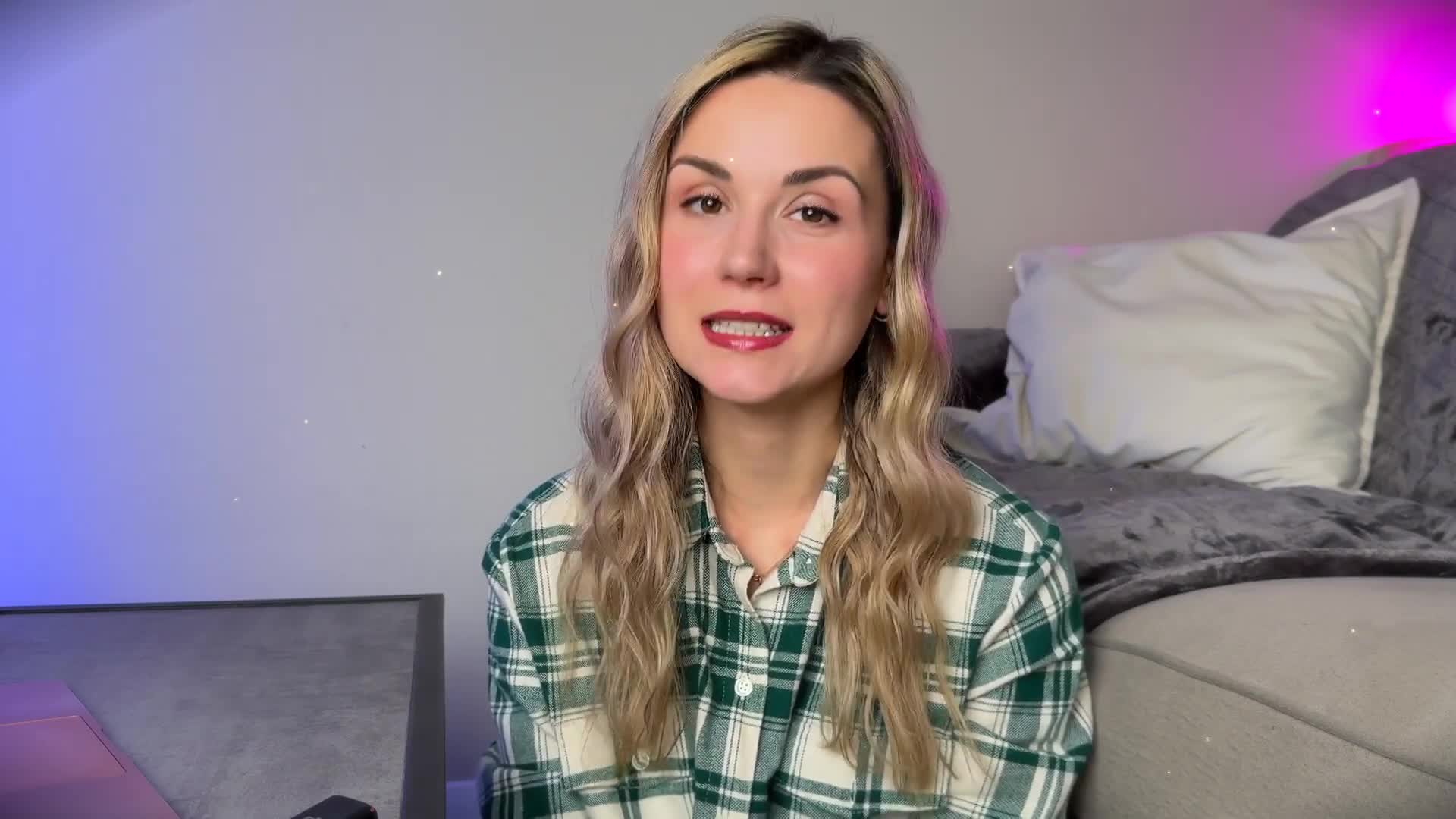
Hey everybody, welcome back to the channel and to another Learn English with Movies video.
In this one we'll be learning English with Harry Potter and the Sorcerer's Stone the very first movie, and I'm very excited about it because I love Harry Potter.
Since we're moving towards Christmas, I thought it'd be fun to learn English with movies that everyone knows and almost everyone watches around this time.
If you like these types of videos and you enjoy this channel, I'd really appreciate it if you gave this video a like and shared it with your friends.
It's gonna help our channel tremendously.
Alright, without further ado, let's jump right into it.
Like always, we'll watch the scenes first and then break them down together.
Excuse me.
Do you mind?
Everywhere else is full.
Not at all.
I'm Ron, by the way.
Ron Weasley.
I'm Harry, Harry Potter.
So, so it's true.
I mean, do you really have the... The what?
The scar.
Oh, yeah.
Wicked.
Anything off the trolley, dears?
No, thanks.
I'm all set.
Hello?
I wondered when I'd be seeing you, Mr. Potter.
Here we are.
Give it a wave.
I wonder.
Curious.
Very curious.
How was it I got the stone, sir?
One minute I was staring in the mirror and I missed.
You see, only a person who wanted to find the stone, find it but not use it, would be able to get it.
That is one of my more brilliant ideas.
When I call your name, you will come forth.
I shall place the sorting hat on your head. and you will be sorted into your houses.
Hermione Granger?
Oh no.
Okay, relax.
Mental, that one.
I'm telling you.
Alrighty, so let's start.
And we'll start with the first words.
Excuse me, do you mind?
Everywhere else is full.
Not at all.
Harry's response, not at all.
Excuse me, do you mind?
So Ron is asking if he can sit in the train compartment because all the other seats are taken.
So if someone says, do you mind?
It's a polite way of saying, Is it okay with you?
Or would it bother you if I did this?
So here, do you mind means would it bother you if I sat here?
And the reply, no, not at all, means of course not.
You can sit here.
I don't mind at all.
So remember, do you mind usually means is it okay with you?
And it's a polite way of asking this question.
Now, it's important to remember that when someone asks, do you mind if I sit here?
Answering yes actually means that you do mind.
So the polite answer would be no, not at all.
Or let's take a look at this little example.
Do you mind if I borrow your pen?
No, not at all. this means that you don't mind.
If you say yes, this means, yes, I do mind.
I don't allow you to borrow my pen.
Okay, now this little scene, do you really have the scar?
And Harry says, oh yeah, and then shows it.
And Ron says, wicked.
So it's true.
I mean, do you really have the, the, the what?
The scar.
Oh, yeah.
Wicked.
So Ron is actually surprised and very excited when he sees Harry's lightning shaped scar.
So in British slang, wicked doesn't mean evil here.
It means cool, awesome, or amazing.
So when Ron says wicked wicked, using only one word, what he actually is saying is wow, that's awesome, or that's amazing.
And this is a great example of how slang can be confusing, because wicked usually means something bad.
But in informal British English, especially among kids and teens, it's a positive word.
For example, someone might say, you got tickets to the concert?
Wicked.
Like, that's awesome.
And maybe they might say it like, like wicked.
Like wicked.
Yeah, my son's here.
Alrighty, now this one.
Anything off the trolley, dear?
No, thanks.
I'm all set.
Anything off the trolley, dears?
No, thanks.
Almost set.
So a trolley, this is actually what they call a small cart on wheels in British English.
In American English, we just say a cart.
Okay, now the reply, Ron's reply, no thanks, I'm all set.
So this phrase I'm all set means that I don't need anything, or I already have everything I need.
The phrase I'm all set is very common in English.
You can use it at a restaurant store or anywhere someone offers help.
For example, at a store, a cashier might ask you, do you need a bag?
And you can say, no, thanks.
I'm all set, which is equivalent to saying, no, thanks.
I'm good.
Hello.
I wondered when I'd be seeing you, Mr. Potter.
I wondered when I'd be seeing you, Mr. Potter.
So this is actually a formal and very polite way to say I've been expecting you, or I was curious about when I would meet you.
So grammatically.
It's past tense.
I wondered when I would be seeing you.
But he means it as something he's been thinking about for a while.
And sometimes people use this wording to sound polite or slightly dramatic.
For example, I wondered when I'd hear from you, which basically means I've been waiting for your message.
Here we are.
So people often say something like here we are, when they found or reached something they were looking for.
So here it means I found it or this is the one.
And you can use it in everyday English too.
For example, when arriving somewhere, you can say...
Here we are.
Or finding something.
For example, here we are, your keys.
It's a small expression, but it makes your speech sound very natural and fluent.
Give it a wave.
Apparently not.
Give it a wave.
So he could have just said wave it, but give it a wave sounds softer and friendlier, like an invitation, not a command.
Adding this give it up makes the action sound gentle and natural.
For example and this is something that you'll hear a lot give it a try, which basically just means try it, but give it a try sounds more polite and not like a command or something like give it a push.
English very often uses this pattern to sound more polite give it a plus, a noun.
So give it a look, give it a push, give it a shake or give it a go.
Okay, now this one, and this is a good one.
How is it i got the stone, sir?
How is it I got the stone, sir?
So what he's basically asking is just how did I get the stone?
But he's using a more formal structure.
How is it I got is an older and more dramatic way to say how did it happen?
And it also shows surprise or disbelief and not just curiosity.
This form sounds more elegant and emotional and that's why it fits Harry's shock in that moment.
When I call your name, you will come forth.
I shall place the sorting hat on your head.
You will be sorted into your houses.
This one is also an interesting one.
I shall place the sorting hat on your head.
So she uses shell instead of will because it sounds more formal and traditional.
She's performing a ceremony, so i shall fits that tone.
Grammatically, shell and will both mean the same thing They describe a future action.
But shall is more polite and old-fashioned, and it's often used in formal writing or speech.
For example, in these old-style movies you will often hear something like I shall return, which basically just means I will come back, but it sounds more formal and dramatic.
Hermione Granger?
Now this one is a funny one.
Mental, that one, I'm telling you.
Now, Ron is joking about Hermione here.
So in British English mental means crazy, wild or a bit too much, but not in a serious or mean way.
Well, it can be used in a serious and mean way, but not in this example here.
So he's saying Hermione is a little intense or obsessive.
It's more like playful teasing than an insult.
For example, you can say something like, he stayed up all night studying.
He's mental, like he's crazy.
But it's said in a funny and friendly way.
Now this shows how British English uses mental, brilliant or wicked and other words differently than American English.
And remember, it's all about tone, context and situation.
Okay guys, I hope you enjoyed this little video.
I hope it was educational and fun for you, as it was for me.
I always like, even love, making videos like these.
If you like this video, please give it a like, and if you want more videos where we learn english with movies, please let me know.
And let me know which movies do you want me to break down?
Thank you for watching and i'll see you in the next one.