You're listening to Roundtable. I'm Ha Young, joined by Steve Hatherly and Fei Fei in the studio.
Coming up... For fitness fanatics, protein has long been hailed as the ultimate fuel.
And could too much of it backfire, putting strain on our bodies? packing in excess calories or even throwing off the balance of the rest of your diet, we dig into the science, the hype, and how to find the right balance for your body.
And in hospital gift shops in America or UK or Europe, you'll find cards, flowers, or fuzzy socks.
In China, it's a whole different story. Think plush toys shaped like brains and kidneys.
Herbal breads and tote bags themed around recovery.
What's behind this unexpected hospital merchandise boom and why are young people lining up to buy it our podcast listeners can find us at roundtable china on apple podcast Got something on your mind?
Whether it's the world of pop culture, technology, or something that touches your heart, we're here to chat.
Drop us a line at roundtablepodcast.qq.com or go big and send us a voice memo.
We'd love to hear your voice and share it with the world.
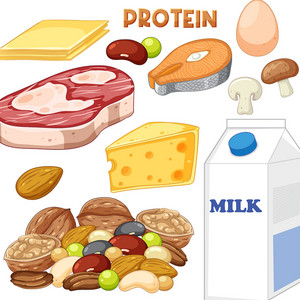
Now let's move on to... Protein is everywhere these days.
Shakes, bars, even snacks boasting high protein like it's the magic bullet for health.
And sure, protein is essential for muscle, energy, and recovery.
But here's the question. Can we overdo it?
Consider the traditional Chinese diet known for generous servings of carbs such as rice and dough. alongside Western diets already rich in meat and dairy.
Now, how much protein do we actually need?
Well, Steve, in Western diets, protein seems to be getting a lot of attention. the popularity well it's always something isn't it this is a quote from Joan Blake she's a nutritionist and she's watched decades of food trends come and go in Western food culture.
And she said, first it was calories, then it was low carbs, then it was no added sugar.
There's always a buzzword that's grabbing attention, and that buzzword these days, and it has been for a while now. is protein.
I mean, it's literally everywhere. You go into a supermarket in America or Canada and And it seems like almost every product has protein amounts like in big bold letters. on its packages.
You watch TV commercials and you'll see like yogurt 24 grams of protein and it sells it like that like it's a full-blown marketing tool now in the West.
Here's a couple of really interesting points to back that up.
You can find your typical things like Yeah, okay, like fortified milk or whatever and yogurts and things like this, but it's also things where you don't expect it, like protein chips.
Like chili lime flavored protein chips. I love those.
Have you had them? I didn't even hear of that before.
And then you've got the protein shakes for sale, which are everywhere in supermarkets and convenience stores.
Anyway, so yeah, here's those statistics.
The food category. High protein food category is growing 300% faster than conventional food products.
That's interesting to know. This is even more interesting in my opinion.
Of the new US food products that were launched in 2023 that featured a high-protein claim 40 percent of those new US food products launched in 2023 featured that claim.
40% of new food products featured the high protein claim.
It's like I said, it's a marketing tool.
It's huge. Do we see anything similar like this in China?
I know the gym rats love protein. What about the bigger market?
What do you see? Well, I think there is a sort of I'm not sure if it's a spillover effects from the rising fitness cultures in China, but I definitely feel this kind of push when it comes to protein supplements here in China.
And I also got some figures. According to the Horizon data book, the protein supplements market in China generated more than 300 million US dollars in 2023. and the revenue is projected to nearly double by the year 2030.
But right now, what dominates the revenue is animal-based proteins, but plant-based proteins are also expanding very rapidly.
And as just Steve mentioned about the protein chips I've actually, you know, I saw a lot of such push on my social media platforms and that's why I try some of those.
Some of those are like chicken breast. chips, which is branded as high protein and also high protein, low protein. low calorie sausages, chicken sausages, which is to be considered to be friendly to those going to the gyms.
You're right. It's really marketed to the health conscious aspect of society.
But also I wonder, yeah, somebody can be health conscious, but you don't hit the gym. regularly or ever, but I like to stay healthy.
I mean, that doesn't necessarily make one a protein consumer.
Yeah. Well, no, we as human beings are protein consumers for sure.
It just depends on where and how you get your protein because your body. needs three macro nutrients.
There's three essential macro nutrients that are required in large amounts.
One of them is proteins and then the other two are carbs and fats.
So we need those. But the question really is how much protein do we actually need to be eating, right?
Well, here's what they say. Here's how the math breaks down.
So the average adult needs about 0.8 grams of protein per kilogram of body weight daily.
To put that into context, for a 70-kilogram person, that's roughly 56 grams of protein a day.
Now, I know what you're thinking. Oh, I don't even. know how much protein i'm eating per day right well the answer is this most people get more than enough protein without even trying especially if you eat a lot of meat and a lot of dairy.
But even if you're a vegetarian, or even if you're a vegan, you can easily meet those needs because you can eat things like beans and lentils and tofu, other protein-packed foods.
But... If you are not getting enough protein and this is why it's so important, then your body starts to break down your own muscle tissue. to get the amino acids that it needs and if that happens then you're going to experience muscle loss you're going to experience weakness and your immune system is going to be weakened as well.
But all of that being said, that's what happens if you don't eat enough.
But there is such thing as eating too much protein too.
Yeah. And also, I think when it comes to consuming a lot of these protein supplements products like protein bars...
I too once fell into the trap of believing that I can eat a protein bar and taking that as a meal option.
And then I start to realize how much sugar it has.
So when it comes to the daily consumption of protein that Steve just mentioned about, for example, 50 grams of day, And it's not as simple as eating 50 grams of meat a day.
Because with the amount of minerals consuming, you're also consuming fat at the same time.
So it's more complicated than as simple as measuring your meat.
But when it comes to the potential health risks, risks of consuming just too much protein, it actually can bring burden can bring you know, pressures to your kidneys and levers who have to work overtime to break down the excessive proteins in your body.
And here's where we get tricked by the marketing, right?
I mean, even if you are into exercise, you're into lifting weights.
And you see like that yogurt, 24 grams of protein, protein bar, 25 grams of protein.
And you're just tricked into thinking like, oh, if I just shove more protein into my body, then my body is going to be stronger because our body needs proteins for... your bones and your hair and all the things in your tissues and the things that make you a strong healthy individual but here's here's the thing Your body can't store excess protein.
So that's why Fei Fei said when your body has too much protein in it, then your kidneys and your liver have to break it down, right?
And that means it's like the incineration plants.
You got to work harder when you have too much garbage to burn.
Well, your body has to work harder when it has too much protein to break down. um and then you know how you get your protein matters too you know like from protein bars that might not be the best source right or red meat may not be the The best source, processed meats, for example.
That's a really unhealthy way to get your protein.
So it's not as simple as people think it is, and that's why we kind of fall for the marketing of it.
Well, speaking of the marketing, I see almost every fitness vlogger or social media influencer are promoting or selling protein powder.
And they say, because that's like, you know, what you get straight into the body, forget about the fat. and x kilograms on the packaging is exactly what you're getting.
Like you guys said, if you're consuming too much, then it's not good even for those regular gym goers.
It's not to say that gym goers can't benefit from those protein supplements, because they absolutely can, because if you are a person who exercises... strenuously a lot, then you do need more protein in your diet.
So we're not trying to say those things are completely useless and never spend a penny on them.
But we are saying that there is such thing as too much protein and you have to be careful about how you get it.
You can make better choices too. Right. Yeah.
And what about carbs and fats? What about this bigger sort of plate of diet that we need to look at?
Yeah, sure. So again, it's fats and proteins and carbohydrates, right?
Those are the main macros. nutrients that your body needs.
And those are usually broken down into a percentage of your total daily calories.
There's information from the dietary guidelines for Americans.
This would apply to humans in general, I think, but this is where the information came from.
If you have a balanced diet, then 45% to 65% of what you take in will be from carbs, and that's kind of your primary food. fuel source.
It's like quick burning wood for your campfire if you're into camping.
20 to 35% come from fats. Fats would be maybe to keep the fire analogy, maybe the slow burning logs on that to keep your fire going.
And then, yeah, we talked about proteins already.
Yeah. So now you have a good idea of the. good nutrients you want in your body.
And it's a balancing act, as they say. Coming up next on today's show, hospitals are selling more than medicine and care.
We discuss why hospital merch is very popular right now.
Stay tuned. Looking for passion? How about fiery debate?
Want to hear about current events in China from different perspectives?
Then tune in to Roundtable. where East meets West and understanding is the goal.
You're listening to Roundtable. To the surprise of many people, hospital gift shops are now selling plush toys shaped like brains and kidneys. traditional Chinese medicinal herbal drinks and breads, and tote bags celebrating recovery with the just discharged from mental hospital design being the most popular.
I love that. I do, too. all proudly branded by the hospitals themselves.
These unexpected and quirky merchandise items have become surprisingly popular, What unexpected products in Chinese hospital gift shops have caught your eye most recently?
Definitely those ones in bending TCM elements, for example, Beijing Traditional Chinese Medicine Hospital, held an exhibition featuring items like sachet year ornaments, calming lamps, and bracelets made from medicine herbs. with calming or health supporting effects.
Other hospital may offer herbal drinks, unique ice pops shaped like hospital buildings, which I don't get the point of that.
But they are also selling, for example, bread that with health-preserving ingredients such as Huangqi, which is Supposedly to be an energy boost for your Qi, for the Qi of your body.
Something like that. Why do you think they're so popular now?
Which ones? Well, the ones I think is a little bit strange is wearing a kidney as a charm on your bag, stuff like that.
I was going to say, why are we just brushing over those?
Those are like the little plushy toy brain or the plushy toy kidney.
I was reading a blog post because when I learned that we were going to be doing this topic, It's kind of an interesting thing, isn't it, to have a gift shop in a hospital?
And I read a blog post from someone who works in the medical industry.
And they were saying that one of the reasons that gift shops are really important to a hospital is because they help normalize things.
When you go into a hospital, it smells different.
It's sterile, so it smells a little bit uncomfortable for people.
You know why you're there. It's medical professionals and people who are sick.
So when you have these types of shops, it helps to make people feel more comfortable.
And I think to answer your question, why are these so popular, is because it adds... an element of humor and sarcasm that wouldn't in a location that typically wouldn't have humor in it, a hospital.
I think that's why these are really popular.
So got a kidney plushie if you've got a problem on your kidney?
I see it more on the recovery side of things, right?
Or as a fun gift. What was the tote bag discharged from?
Mental institution. From the mental institution.
I mean, with Gen Z, that doesn't even need an explanation as to why it's popular with Gen Z. Yeah, yeah.
Yeah, now I can start to get why gift shops are necessary in hospitals. but this type is kind of defying the conventional wisdom.
It's not straightforward nice, this is more, like sarcasm, self-deprecating humor, and also with a tad of best wishes for yourself and for whoever's there. getting it and could this trend of hospital merchandise sort of imply some changing attitudes of how we see the hospital or illness.
Or maybe it's helping you to see it in a lighter light.
I think it's just a a fun, trendy thing, to be honest with you.
The question might exist, oh, should hospital gift shops even be going into this? direction should they be investing money into this?
In my opinion, don't take it that seriously.
I think it's just someone had a fun idea and thought, let's just lighten the mood a little bit in a place that's typically...
An anxiety inducing building. And I think that's what's happening.
Okay, but let's say if it's somebody who's semi more semi serious about this.
Would you rather be treated at a hospital that pours its energy into the primary mission That's to heal and save lives or have this fabulous gift shop with quirky...
Hold on. I don't think you're sacrificing one for the other.
Yeah, I don't think any hospitals would go hardcore into this.
I don't see a hospital administrator saying, oh gosh, our cancer department could use some more money.
But what about a little plushy brain toy?
Let's invest there. I don't think that's what's happening here at all.
I hope not, and I don't think it's exactly that, but also a lot of hospitals are facing a little bit of a funding issue.
So it's just interesting. We don't work in that business particularly, but to see that a few hospitals really turning some serious attention to this side of the business. which is what we're bringing to your attention today.
And that brings us to the end of today's show.
Thank you so much, Steve Hatherly. Fei-Fei, for joining the discussion, you can always find us on Apple Podcasts or any podcast platform of your liking round table china is what you can find where you can find us and That's it all from me today.
I'm He Young. We'll see you next time.