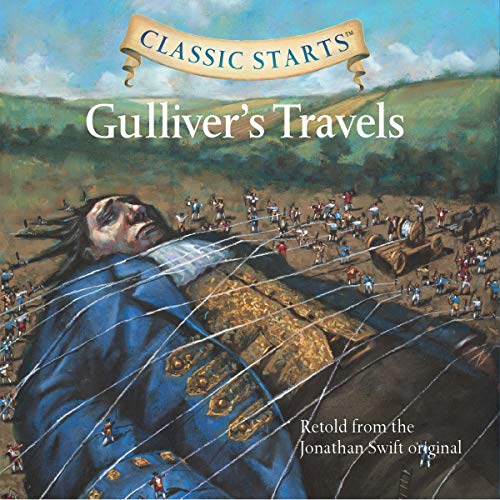
[라가도와 무노디 경: 비효율적인 혁신의 늪에 빠진 사회]-[Gulliver's Travels - Part 15]



📋 Summary
라가도와 무노디 경: 비효율적인 혁신의 늪에 빠진 사회
걸리버 여행기의 제4장에서는 주인공이 하늘 위의 섬 라퓨타를 떠나 지상 세계인 발나바리로 내려오며 시작된다. 그는 라가도(Lagado)라는 도시에 도착하여 고위 귀족인 무노디(Munodi) 경의 환대를 받으며 머물게 된다. 이 장은 겉보기에는 지식과 기술의 진보를 추구하는 것처럼 보이지만, 실제로는 현실과 동떨어진 탁상공론으로 인해 피폐해진 사회의 모습을 날카롭게 비판하고 있다.
쇠락해가는 도시 라가도와 기이한 풍경
주인공이 처음 라가도에 발을 디뎠을 때 목격한 것은 '매우 기이하게 지어진(strangely built)' 건물들과 수리조차 되지 않은 채 방치된 도시의 모습이었다. 거리의 사람들은 '빠르게 걸으며 거친 표정(walked fast and looked wild)'을 짓고 있었고, 그들의 옷차림은 '누더기(rags)'에 불과했다. 무엇보다 놀라운 점은 기름진 땅임에도 불구하고 '풀이나 곡식이 전혀 자라지 않는(No grass or corn was growing)' 기현상이었다. 주인공은 도대체 이 사람들이 무엇을 위해 그토록 바쁘게 움직이는지 이해할 수 없었으며, 이토록 '불행해 보이는 사람들(people whose expression showed so much unhappiness)'을 본 적이 없다고 회고한다.
무노디 경의 영지와 전통적 가치
주인공의 의문에 대해 무노디 경은 즉답을 피하다가, 자신의 시골 영지로 그를 안내한다. 도시와 달리 20마일 떨어진 이곳은 '깔끔하게 지어진 집들과 들판, 목초지, 포도원(neatly built houses surrounded by fields, meadows, and vineyards)'으로 가득 찬 풍요로운 곳이었다. 무노디 경의 저택은 '고대 건축의 최선의 규칙(best rules of ancient architecture)'에 따라 지어졌으며, 이는 라가도의 황폐함과 극명한 대비를 이룬다. 그러나 역설적이게도 무노디 경은 이러한 자신의 영지를 '왕국에 좋지 않은 본보기(so poor an example for the kingdom)'라며 비난받고 있다고 토로한다. 그는 왕의 분노를 사지 않기 위해 자신의 저택을 허물고 현재의 '유행하는 방식'으로 재건해야 할 처지에 놓여 있었다.
'프로젝터(Projectors)'의 광기와 아카데미의 실체
이 모든 비극의 근원은 40년 전 라퓨타를 방문하고 돌아온 이들이 세운 '프로젝터(projectors)들의 위대한 아카데미'에 있었다. 그들은 수학과 과학에 대한 얕은 지식을 바탕으로 농업과 건축에 관한 '새로운 규칙과 방법(new rules and methods)'을 고안해냈다. 그들의 목표는 거창했다. '한 사람이 열 사람의 일을 하게 하고(a single man would be able to do the work of ten)', 일주일 만에 궁전을 짓겠다는 식의 환상적인 계획들이었다.
하지만 현실은 참담했다. '이러한 프로젝트 중 실제로 성공한 것은 하나도 없었으며(none of these projects had actually worked yet)', 그 결과 국토는 황폐해지고 집들은 폐허가 되었으며 사람들은 굶주림에 시달리게 되었다. 그럼에도 불구하고 이 계획가들은 낙담하기는커녕 자신들의 '미친 계획(mad schemes)'을 추진하는 데 50배는 더 열을 올리고 있었다.
결론: 실용성 없는 지식에 대한 경고
주인공은 무노디 경으로부터 대아카데미를 구경해보라는 제안을 받지만, 이미 주변의 피폐한 상황을 목격한 터라 '그러한 방문이 별로 도움이 되지 않을 것(such a visit would profit me little)'이라 판단한다. 이 장은 현실적인 기반이 없는 지적 유희와 검증되지 않은 혁신이 어떻게 한 국가의 근간을 흔들고 시민들을 비참한 삶으로 내모는지를 무노디 경의 사례를 통해 통렬하게 보여주고 있다.