Hi podcast and chill listeners, welcome back to another episode.
I'm your host, Leo, here to provide you with interesting stories.
And I'm Gwen, your informative host, the one who can give you a lot of helpful information.
So, Leo, can you tell listeners our topic today?
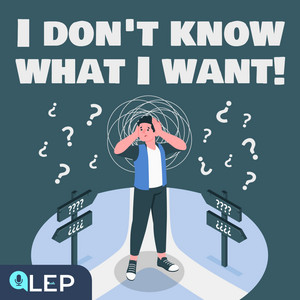
I think some of us have a vague feeling about something without knowing what we want.
So why is this? And how do we fix it?
Today we will talk about feeling uncertain about everything that happens in our life.
Are you ready Gwen?
More ready than ever.
So let's get started.
Let's start with understanding the definition first.
Did you hear the word uncertainty?
It's pretty common, right?
If you haven't heard of it, that's okay.
Let us explain it to you.
Feeling uncertain about what you want is completely normal.
Many people, especially young people, go through this phase.
You might feel confused, unsure, or even tired because you don't know what you really want in life.
But that's okay, it's a part of growing up and learning about yourself.
That makes sense. Sometimes we feel like we need to know everything and have all the answers.
But that's not always possible.
Exactly, life is full of changes and new experiences.
What you want today might be different from what you want next year.
It's normal to feel uncertain, and it's important to give yourself time to explore and figure things out.
So what can someone do if they're not sure?
How can they start figuring out what they want?
One of the best things to do is to explore different interests.
Try new activities, pick up hobbies, or join clubs.
This can help you find out what you enjoy.
For example, you could take a painting class, try cooking a new recipe, or join a sports team.
The more things you try, the better you'll understand what you like and don't like.
That sounds like fun.
It's like going on little adventures to learn more about yourself.
Exactly. It's about trying different things to see what you enjoy.
You might find that you like something you never thought you would.
And if you don't like something, that's okay too.
It's all part of learning.
So it's important to keep an open mind and not be afraid to try new things.
And don't worry about being perfect at everything you try.
The goal is to explore and learn about yourself, not to be the best at everything.
Once someone starts exploring their interests, what should they do next?
When you're not sure what you want, setting big goals can feel overwhelming.
Instead, start with small, easy -to -reach goals.
Exactly. For example, if you're interested in writing, set a goal to write a short story or a poem.
If you like cooking, try making a new dish every week.
These small goals can help you feel more confident and show you the right path.
That's great advice.
Small goals are like stepping stones that lead you to something bigger.
And if a goal doesn't work out, it's okay.
You can always adjust and try something else.
That's right. It's important to be flexible and kind to yourself.
The key is to keep moving forward, even if it's just one small step at a time.
Uncertain. Definition, not sure or not able to decide about something.
Example, many people feel uncertain about what they want in life, especially when they are young.
Phase. Definition, a stage or period in a process of change or development.
Example, feeling confused about your future is a normal phase that many people go through as they grow up.
Achievable. Definition, something that can be done or reached.
Example, starting with small and achievable goals can lead you to something bigger.
Adventure. Definition, an exciting or different experience.
Example, exploring new interests is like going on little adventures to find out more about yourself.
Recipe. Definition, a set of instructions for cooking, including a list of the food you need.
Example, if you like cooking, try making a new dish each week by following a recipe.
Why is exploring different interests important?
Trying different interests is important because it helps us find out what we like.
Doing new things can show us new sides of ourselves.
What are some examples of small goals?
They are writing a short story, cooking a new dish each week or trying a new hobby.
Another way to find out what you want is by thinking about your past experiences.
Could you show how that helps Gwen?
Looking back at your past can help you see what you like and don't like.
Think about what you enjoyed in school or any hobbies you had.
What made you happy?
What didn't you enjoy?
These thoughts can show you what you like and help you figure out what you might want to do in the future.
It's about looking back to move forward.
That's right. Your past experiences can be a valuable source of ideas.
For example, if you loved art classes in school, that might mean you have a passion for creativity.
Or if you don't enjoy group projects, maybe you like working alone.
These ideas can help you understand yourself better and guide your choices in the future.
That's a great way to learn more about yourself.
It's like putting together pieces from your past to see the whole picture.
Yes, and sometimes the answers are right in front of you.
It just takes a little thinking to see them clearly.
Sometimes talking to others can also help.
Do you think so? I have to say that talking to others is really helpful.
Friends, family, or mentors can give you different viewpoints and advice that you might not have thought of.
They can also share their own experiences and how they figured out what they wanted.
Sometimes just talking things out with someone can help you see things more clearly.
So, it's okay to ask for help and not feel like you have to figure everything out on your own.
Definitely. We all need support sometimes.
Hearing someone else's story can be inspiring and give you new ideas about what you might want to do.
And different people can offer different kinds of support.
A friend might help you see things in a fun way or share their own experiences.
A mentor might give you more practical advice.
It's helpful to hear opinions from different people.
And remember, you don't have to follow all the advice you get.
Keep the advice that works for you and let go of the rest.
What if someone feels really stuck and stressed?
Is it okay to just take a break?
Absolutely. Sometimes not knowing what you want means you need to take a break.
Life can be busy and stressful and it's easy to feel overwhelmed.
Taking a break to rest and recharge can help clear your mind and give you a fresh perspective.
That makes a lot of sense.
It's important to take care of yourself and not push too hard.
Sometimes we need to slow down and take some time to think.
Whether it's going for a walk, meditating, or just spending some quiet time alone, taking a break can help you understand yourself and your thoughts better.
And during that pause, it's okay to not have all the answers.
It's about giving yourself time to breathe and just be… Finally, figuring out what you want is a journey, not a destination.
It's okay if you don't figure everything out right away.
It's a process that takes time and being unsure is part of it.
Take your time exploring different options.
So, it's about enjoying the process and not stressing too much about the result.
Life can be full of surprises and what you want now might change later.
Enjoy the journey, try new things, and trust that you'll find your way eventually.
Yes, and remember, it's okay to change your mind along the way.
What's important is that you're moving forward learning and growing.
Independently. Definition, doing something alone without help from others.
Example, if you didn't enjoy group projects, maybe you like working independently.
Practical. Definition, about real situations or actions, not just ideas.
Example, a mentor can give you practical advice on what to do next.
Overwhelm. Definition, feeling very stressed or having too much to deal with.
Example, if you're feeling stuck and overwhelmed, it's okay to take a break.
Recharge. Definition, to rest and get your energy back after being tired.
Example, taking a break to recharge can help clear your mind.
Eventually. Definition, after some time, in the end.
Example, trust that you'll find your way eventually, even if it takes time.
How can reflecting on past experiences help us figure out what we want?
It can show us what we like or don't like and make it easier to choose in the future.
How does taking a break help us understand our goals?
Taking a break helps us rest and see things from a new angle, which can help us understand our goals better.
I hope today's podcast episode encourages you to be patient with yourself and to keep exploring until you find what truly makes you happy.
Remember that it's okay to not know what you want right now.
We're all on this journey together and there's no rush to get to the destination.
Thanks for tuning into today's podcast.
We'll see you next time with more topics to help you in life and learning.
Take care and keep exploring.