Have you ever tried a dopamine detox?
Lugging off social media, quitting Netflix or cutting out every quick hit of pleasure hoping to reset your brain.
The idea sounds appealing, especially if you've been scattered, exhausted or like nothing feels exciting or rewarding anymore.
But here's the question few people ask.
What if your brain is already running low on dopamine?
If you're depressed or running on empty from burnout or depression, can cutting out pleasure actually make you feel worse.
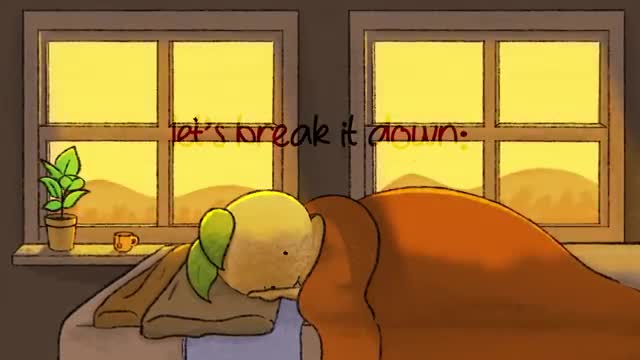
Let's break it down.
Understanding dopamine.
What does it do?
Despite the name, a dopamine detox isn't actually about lowering or eliminating dopamine.
That would be impossible.
Your brain needs it to function.
See, dopamine isn't just a pleasure chemical.
It's the fuel behind your motivation, curiosity and drive to seek rewards.
It can help you learn focus, form habits and regulate mood.
In other words, dopamine doesn't just make you feel good, it makes you want to feel good.
So what happens when you stop wanting to feel good at all?
Why do a dopamine detox?
Does it work?
The so-called dopamine detox usually means taking a break from overstimulating activities like social media gaming eating, junk food, doom scrolling, binge watching or compulsive spending to reset your reward system.
So when people say a dopamine detox works, what they often mean is that stepping back from instant gratification helps them feel clearer, calmer and more intentional.
The detox doesn't magically fix your brain.
It just helps you notice what's been numbing it.
But here's the catch.
If you're already struggling with depression, extremely low mood or burnout, your dopamine system isn't overstimulated.
It's understimulated.
Major depressive disorder often comes with dopamine system dysregulation, meaning less sensitivity to rewards, flatter mood, less energy, difficulty feeling pleasure.
And in that case, cutting off the few activities that still spark joy can actually backfire, leaving you even more numb, unmotivated and detached from life.
So before you detox, it's worth asking, What happens if you fail your dopamine detox?
This is the question most people are afraid to ask, but it's an important one.
In a world designed to hijack your attention with every ping and scroll.
Our dopamine system is constantly firing, overstimulating your reward pathways, leaving you constantly chasing novelty and excitement but never quite landing on satisfaction.
That's why so many people turn to dopamine detoxes.
But when you go all or nothing, it's easy to fall into a trap of self-punishment disguised as discipline.
Suddenly, anything enjoyable feels bad. that kind of restriction can backfire, leading to burnout, shame, or rebound binging once the detox ends.
The brain thrives on balance, not deprivation.
The goal isn't to eliminate pleasure, but to reclaim intentionality.
So how do you detox safely if you're depressed?
Most benefits people report, like sharper focus or more motivation, might come less from the detox itself and more from taking time to reflect.
The trend of detoxing comes from a culture that wants quick fixes.
But brains don't really work like a phone battery that you can just reset.
It's balance we should be striving for. not deprivation.
So, instead of detoxing, experts suggest reintroducing small, meaningful rewards — sunlight music gentle movement, connection — to help retrain your brain's reward system.
If you're feeling low.
The goal isn't less dopamine, but better dopamine — small, consistent joys that restore motivation and meaning.
So can a dopamine detox backfire if you're already depressed?
Yes, if it's done harshly or without care.
But with balance, support and intention.
It can also help you reconnect with what truly feels good, instead of just what feels loud.
The real question isn't should I detox, but what am I trying to find when I unplug?
Focus?
Calm?
Joy?
Connection?
What do you think your brain is really craving right now?
Share your insights in the comments down below.
And if this helped you, don't forget to like, share and subscribe for more psychology made practical.
Thanks for watching.