Have you ever noticed how native British English speakers might say I spoke to Anna and John or I saw a film?
That mysterious R sound seems to appear out of nowhere, but it's not a mistake.
It's actually a very natural part of connected speech in British English called the intrusive R.
So when does the intrusive R happen?
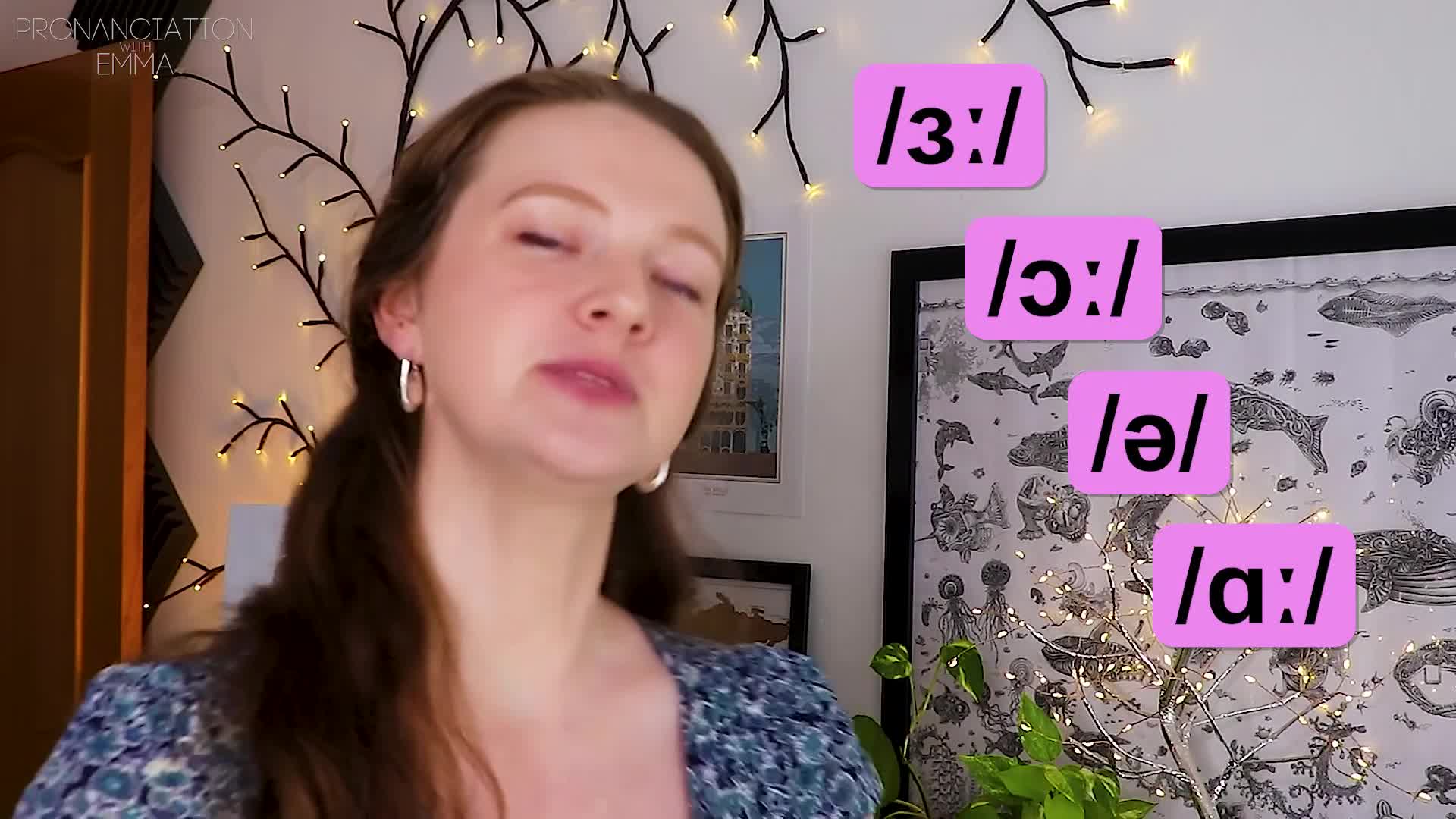
Well, the intrusive R happens when a word ends in one of these specific vowel sounds and the next word starts with any other vowel sound.
When we say these words on their own we don't pronounce the R. Listen carefully.
Saw camera spa.
This also includes diphthongs like ear in idea, air as in hair and ur as in tour.
However, to make the transition smoother between the words, native British speakers with non-rhotic accents, which basically means that they don't pronounce the r when it's written at the end of a word or if it's after a vowel, they often insert a little r between the two words, for example for example, there's one there actually with, or.
I saw a film to connect it.
I saw a film.
I saw a film with the schwa.
The camera is broken.
More naturally, the camera is broken, The camera is broken.
So you're adding that intrusive R to the beginning of the next word to help you link them together.
The camera is broken.
And finally... The spa is closed.
How sad.
The spa is closed.
The spa is closed.
So why does this happen?
Well it all comes down to vowel-vowel linking.
When two vowel sounds meet there's no easy way to move from one vowel to the other in English.
It feels a bit awkward and unnatural for us to stop and then say the other vowel.
So in British English, we add this little helping sound.
In this case, a and this helps make the transition much smoother.
Listen to the difference between these two sentences.
Without the intrusive R.
I love the idea of going.
I love the idea of going with the intrusive r.
I love the idea of going more naturally.
I love the idea of going.
So now you're probably thinking, when do you use the intrusive R?
Well, the intrusive R only happens after certain vowel sounds, particularly those that end in a schwa uh sound, or the ones that we looked at earlier, like or and, uh and ah and so on.
At this point you may be thinking what's the difference between the linking r and the intrusive r?
Maybe you've heard other people talk about the linking r and you're thinking is there a difference?
Is this the same thing?
Well, it's a very good question with a very simple answer.
Put simply, if the word doesn't end with the letter R, then it's an intrusive R.
For example, I saw writ
There's no R in the spelling of saw.
It's written with a W.
I saw it.
So it's an intrusive R.
However, if the word contains the letter R, then it's a linking R.
For example, the door is open, even though when we say the word door we don't pronounce the r, we still write the letter r.
So because we write the r, we link it door is the door is open And this is the linking R.
So the rule is very simple.
Intrusive R, there's no R in the spelling.
Linking R, there is an R in the spelling.
Now let's practise together.
Say each sentence very slowly first, then naturally joining the sounds together smoothly with the intrusive R.
I saw it on TV.
I saw it on TV.
The idea of it makes me smile.
The idea of it makes me smile.
Law and order are important.
Law and order are important.
He saw Emma yesterday.
He saw Rema yesterday.
Asia is a beautiful continent.
Asia is a beautiful continent.
The media are saying it's true.
The media are saying it's true.
So that's the end of today's british english pronunciation lesson.
I hope this helped you understand how and why british native speakers add this little r sound between the words and how you can use the intrusive r naturally in your own speech.
If you enjoyed this lesson, give it a like, share it with a friend who's also learning English and subscribe for more practical British English pronunciation lessons every week.
And don't forget Emma's Pronunciation Hub reopens in January 2026.
So you can join the VIP waitlist below for early access, free workshops and exclusive bonuses when the doors open.
I will see you in the next lesson.
Bye bye.