This is the way it feels to move through summer in Lululemon. Iconic aligned softness without the front seam.
For our smoothest look and feel ever.
Summer won't know what hit it.
Stretch your limits in the non -stop flexibility of the new Lululemon Align No -Line Pant.
In select stores and at lululemon .com.
with a Venmo debit card you can Venmo more than just your friends you can use your balance in so many ways you can Venmo everything need gas you can Venmo this how about snacks you can Venmo that your favorite band's merch you can Venmo this or their next show you can Venmo that visit Venmo .me slash debit to learn more the Venmo MasterCard is issued by the Bancorp Bank and a pursuant to license by MasterCard International Incorporated card may be used everywhere MasterCard is accepted.
Venmo purchase restrictions apply.
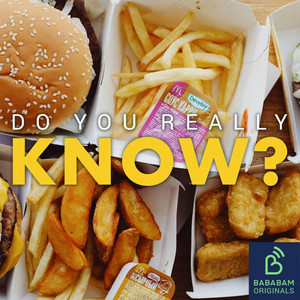
Are additives bad for your health?
Thanks for asking. According to The Sun, scientists say that the average person in the UK now consumes more than eight kilograms of chemical additives each year.
Of course, with that being an average figure, it can shoot up even further for those who eat a lot of ultra -processed foods.
If you've ever looked closely at ingredients lists on the packaging of food you buy in your supermarket, you'll have noticed the e -numbers by which additives can be recognised.
Each category has its assigned e -numbers.
For example, colours are in the 100s, preservatives in the 200s and antioxidants in the 300s.
Aren't additives banned?
Actually, they're allowed as long as they meet certain requirements, The UK's Food Standards Agency says that a food additive is only approved if it has been tested and proved to be safe for its intended use, there is a justifiable technological need to use it and its use does not mislead the consumer.
In all, a total of 330 approved additives are listed on the agency's website at food .gov .uk.
What are they actually used for?
They're pretty much omnipresent in everything we eat and in particular in industrial items like cakes, ice cream, frozen desserts, sodas, candies and chewing gum.
Believe it or not, you can even find them in toothpaste!
As explained by the World Health Organization, additives are mostly used for technical purposes.
That could mean improving safety, increasing food storage time or modifying a food's sensory properties i .e. enhancing its flavor, changing its color or tweaking the texture.
Bear in mind that additives are never consumed as a food on their own.
They're typically added as part of food processing.
Hence most minimally processed and unprocessed foods don't contain food additives.
Why do additives get such a bad rap then?
As we've established almost everything we eat contains some kind of additive.
additive. And they serve a variety of practical uses.
Some even occur naturally, like the colour beetroot, for example.
But still, they should only be consumed in moderation due to potential harmful effects on the body.
Some additives in particular have been singled out as posing potential health risks.
These include nitrates and nitrites, for example.
They're found in cured meats such as bacon and ham.
While they help give those foods are salty, cured flavour and protect against food poisoning.
They've also been associated with bowel, breast and prostate cancer.
Monosodium glutamate, refined flour and refined sugar are all also additives which have been called out by nutritionists.
That's where the concept of an Additives Acceptable Daily Intake comes in.
It's called an ADI for short.
Now the UK's Food Standards Agency doesn't actually have information on specific ADIs per additive, but the European Food Safety Authority does, so it can be used for reference if you're curious.
For example, its current standards include an ADI of 3 .7 mg per kg of body weight per day for nitrates and 0 .07 mg for nitrites.
There you have it. Now you know whether additives are bad for your health.
In under 3 minutes, we answer your questions and help you understand the true meaning behind the trends, concepts and acronyms that are making headlines.
Listen along and you will really know for sure.