[고립의 함정: 왜 우리는 혼자 있는 것에 중독되는가?]-[The Addiction Nobody Realizes They Have - Alone Time]



📋 Summary
고립의 함정: 당신의 뇌는 왜 타인보다 '혼자'를 선택하는가?
많은 사람들이 약속을 취소하고 집에 머무는 순간 느끼는 해방감을 'pure dopamine(순수한 도파민)'이라고 부르며 즐깁니다. 사회적 관계에서 오는 스트레스를 피하는 것만으로도 뇌는 즉각적인 'instant relief(즉각적인 안도감)'를 얻기 때문입니다. 하지만 Psych2Go의 이번 에피소드는 이러한 습관이 단순히 내향적인 성향을 넘어, 뇌가 스스로를 고립시키도록 재배선(rewiring)되는 위험한 중독으로 이어질 수 있음을 경고합니다.
고립 중독의 징후와 메커니즘
뇌는 '사람=스트레스', '혼자 있는 시간=안전'이라는 공식으로 학습을 시작합니다. 이 과정이 반복되면 인간은 사회적 관계를 맺는 것을 본능적으로 거부하게 됩니다. 영상에서는 다음과 같은 자가 진단 항목을 제시합니다.
- 좋아하는 사람들의 연락조차 피하게 된다(dodge calls or texts).
- 사실은 방에서 나가기 싫으면서도 '바쁘다'는 핑계를 댄다.
- 새로운 사람을 만나는 일이 설렘보다 피로감(exhausting)으로 다가온다.
- 타인이 필요 없다는 사실에 기묘한 자부심을 느낀다.
만약 이 중 3개 이상에 해당한다면, 당신의 뇌는 이미 'alone time(혼자만의 시간)'에 중독되었을 가능성이 큽니다. 시카고 대학교의 연구에 따르면, 만성적인 외로움은 하루에 담배 15개비를 피우는 것만큼 정신 건강에 해롭습니다. 일본의 '히키코모리(hikikomori)' 현상이나 팬데믹 이후 미국 청년층의 61%가 심각한 외로움을 호소하는 현실은 우리가 이 문제를 가볍게 여겨선 안 됨을 보여줍니다.
'안전한 감옥'에 갇힌 뇌
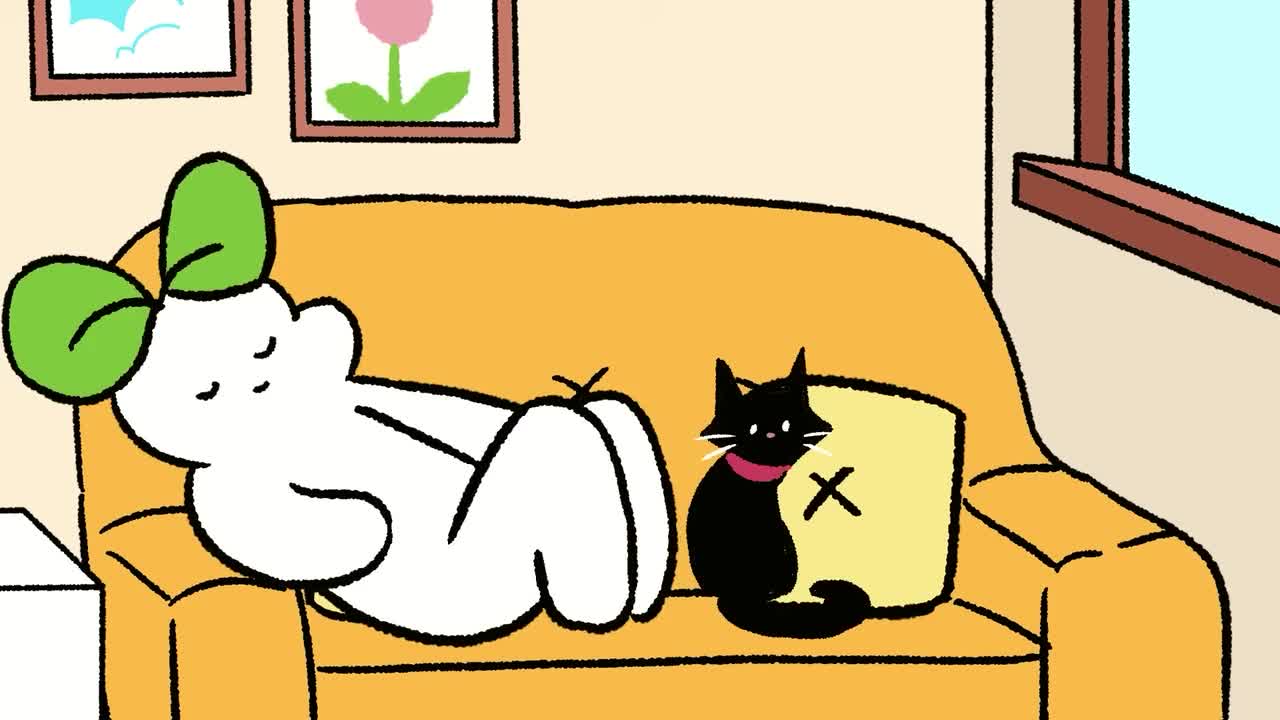
사람들이 고립을 선택하는 이유는 그것이 'safe(안전)'하기 때문입니다. 외부 세계는 때로 너무 시끄럽고 밝으며 감당하기 벅차게 느껴집니다. 'Avoid, relief, repeat(회피, 안도, 반복)'라는 루프에 갇히게 되면, 일상적인 삶은 점점 더 두려운 존재가 됩니다. 이는 당신이 망가졌기 때문이 아니라, 뇌가 스스로 'smaller, safer world(더 작고 안전한 세계)'에 적응해 버렸기 때문입니다.
사회적 자아를 깨우는 마이크로 인터랙션(Micro-interactions)
다행인 점은 당신의 사회적 자아는 사라진 것이 아니라 단지 'sleepy(졸고 있는)' 상태일 뿐이라는 것입니다. 갑자기 대규모 파티에 참석하는 식으로 무리하게 변화를 꾀할 필요는 없습니다. 대신 'micro interactions(미세한 상호작용)'부터 시작해야 합니다.
- 바리스타에게 인사하기
- 이웃에게 가벼운 안부 묻기
- 낯선 사람들이 있는 공원에 앉아 있기
일본의 히키코모리 재진입 프로그램에서도 'halfway spaces(중간 지대)'를 활용합니다. 조용한 카페나 취미 그룹 등, 무언가를 반드시 해야 한다는 압박 없이 그저 사람들과 같은 공간에 머무는 것만으로도 충분합니다.
결론적으로, 혼자 있는 시간은 그 자체로 치유가 될 수 있습니다. 하지만 그 시간이 인간관계보다 더 'safer(안전하게)' 느껴지기 시작한다면, 그것은 당신을 보호하는 안식처가 아니라 'comfort cage(편안한 감옥)'가 되어 당신을 가두고 있는 것일지도 모릅니다. 당신의 뇌가 고립을 선택하는 이유는 무엇인가요? 지금 바로 당신의 사회적 자아를 깨울 작은 발걸음을 시작해 보세요.