
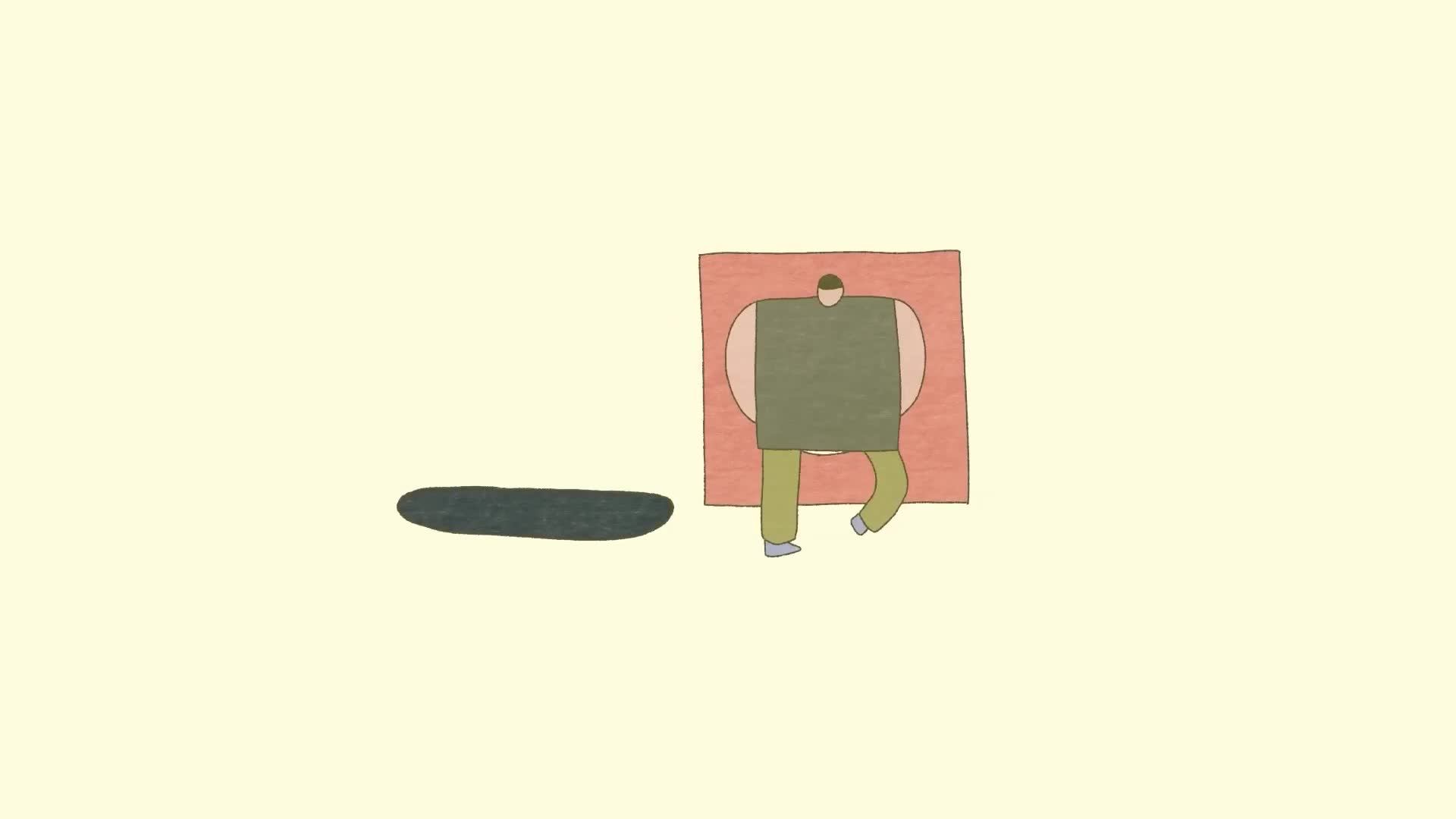
[The Anatomy of Emotional Sabotage: Breaking the Cycle of Childhood Trauma]-[Your Two Options in Love After a Bad Childhood]
📋 Summary
The Echoes of a Miserable Start
Many individuals carry the weight of a difficult childhood without fully consciously recalling the specifics. However, the legacy of such a past is not lost; it manifests in the present through the lens of self-perception. The most profound indicator of a "miserable start" is "deep self-hatred." This manifests as a persistent sense of feeling "unacceptable and weird," or, in more visceral terms, "diseased and not right." Whether the origin was a "critical and unloving mother or father," exposure to "violence and unpredictability," or being sidelined by a "huge preference for a sibling," these early wounds inevitably shape the architecture of our adult intimacy.
The Binary Trap: Cruelty versus Kindness
As adulthood progresses, those carrying these wounds often find themselves trapped in a repetitive, self-destructive cycle. The podcast suggests there are generally two primary, yet equally damaging, avenues for those who have experienced early trauma:
-
The Attraction to the Unavailable: One may consistently "fall in love with cruel, distant, possibly violent, intermittent, unavailable people." These partners mirror the patterns of our upbringing, ensuring we remain in a state of feeling "inadequate and unseen," and "constantly alarmed and unsure." We gravitate toward those who treat us as if we are "unlovable."
-
The Rejection of the Healthy: Alternatively, when faced with someone who is genuinely kind—someone who finds us "attractive and sweet and clever"—we feel "powerfully ill." The presence of genuine affection triggers a defense mechanism. We become "an expert in identifying what's wrong with them," criticizing their physical traits or social choices. Essentially, we "become as critical of them as your parents were once critical of you." We operate under the subconscious assumption that "someone who liked you" must be a "loser," leading us to "detonate trust conclusively."
The Path to Liberation: Vulnerability as a Cure
Is there a way to break this cycle? The podcast argues that the solution lies in a "third option": radical honesty and the courage to articulate our internal brokenness. Instead of maintaining a facade of health, we must learn to communicate our limitations to those who show us care.
This involves a profound shift in how we engage with partners. Rather than sabotaging the relationship when we feel triggered, we can express the reality of our condition: "I want so much to be normal, I want so much to tolerate kindness, but I have an illness." By acknowledging that our past makes it difficult to "digest" love, we invite our partners to understand our "terrors of kindness."
Momentous Progress through Radical Transparency
Healing is not an overnight process, but progress is found in the act of confession. By explaining to a "kind and perceptive" partner—or a "good therapist"—that we are struggling to "absorb the love I crave," we create space for empathy. If the partner can see the "decency behind the shame and the tenderness behind the neurosis," the relationship can become a container for healing.
Ultimately, the goal is not to be instantly "healed," but to gain the self-awareness to admit, "Please forgive me for being unwell." This honesty allows us to stop "sabotaging relationships" and provides a path to transcend the cycles of the past, moving from a life characterized by "devastating loneliness" toward a capacity to finally accept the affection we deserve.
Deep Learning with ListenLeap


