
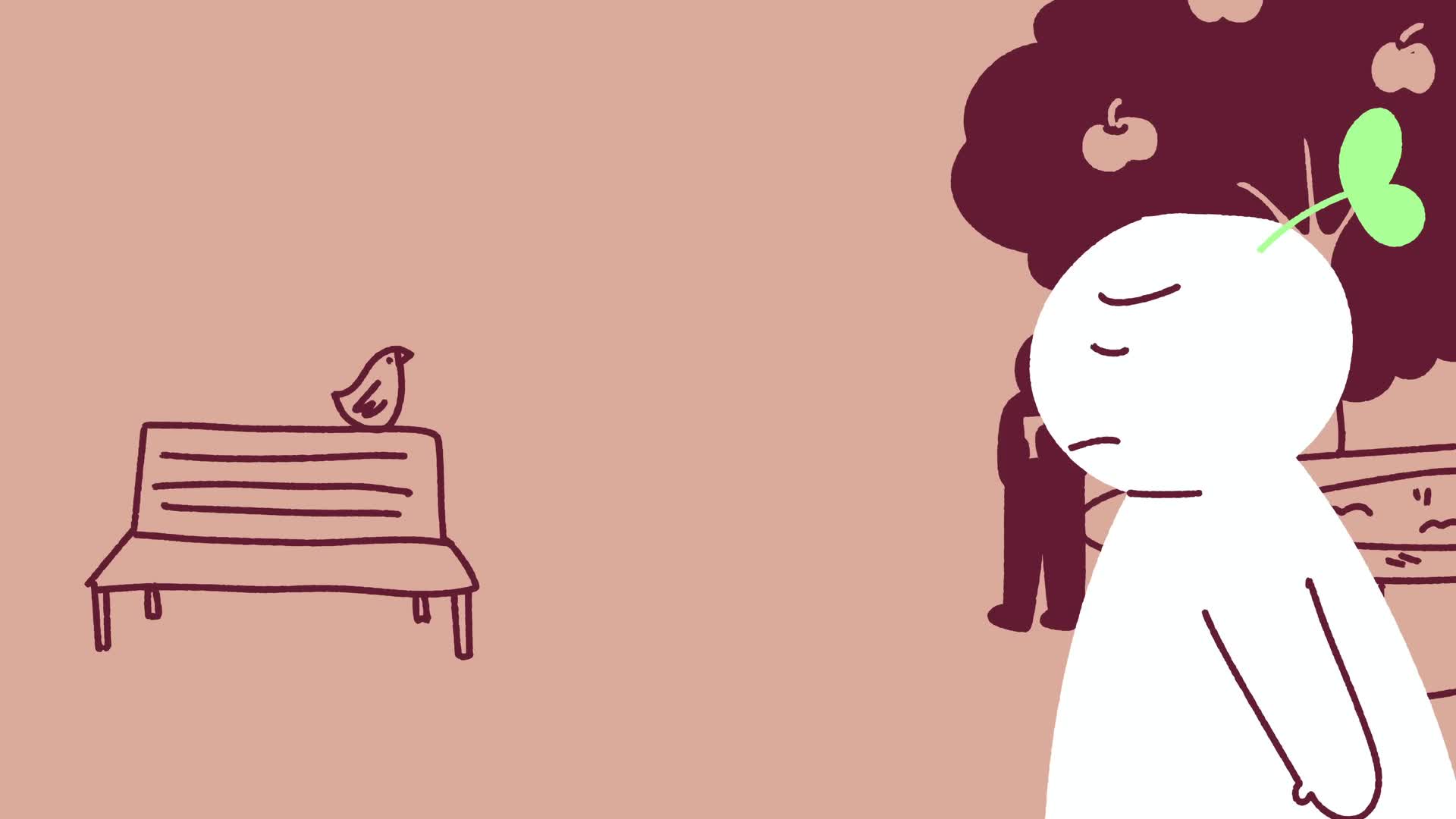
[Decoding Unexplained Anger: Understanding Hidden Triggers and Nervous System Regulation]-[Why You’re Getting Angry So Easily (It’s Not What You Think)]
📋 Summary
Decoding Unexplained Anger: Why You Feel Irritable Without a Clear Trigger
Many of us have experienced the unsettling sensation of sudden irritation—a feeling of being "tense" and "snappy" without any major conflict or obvious cause. This phenomenon often leads to self-doubt, with many wondering, "Am I becoming a bad person?" However, the truth is that this anger is rarely random. It is typically a signal from your body and brain, functioning as a communication tool that needs to be understood rather than feared.
The Myth of the "Triggerless" Anger
It is a common misconception that anger happens for no reason. In reality, anger almost never occurs in a vacuum; it simply appears for "unseen reasons." Your nervous system is constantly tracking variables like stress, overstimulation, and unmet needs. While your conscious mind may not have caught up to these factors, your body has already processed them. Anger, therefore, acts as a "release, not the beginning" of an emotional process.
Hidden Drivers of Irritability
There are three primary hidden drivers that cause this pent-up anger to surface:
- Suppressed Emotions: If you are prone to avoiding conflict or "bottling things up," your emotions do not disappear. Instead, they accumulate. When you finally experience a minor inconvenience—like a "slow driver" or a "loud noise"—it becomes the "final straw" that releases the long-held emotional backlog.
- Nervous System Overload: Sometimes, anger is a "stress response in disguise." When your system is taxed by poor sleep, chronic stress, or sensory overload, your emotional regulation capacity drops. Your "patience buffer shrinks," making small stressors feel monumental.
- Unmet Needs: Anger is frequently a "boundary emotion." It surfaces when your body signals that something is fundamentally wrong, such as being hungry, exhausted, or experiencing "emotional neglect." It is your body’s way of saying you are feeling "pressured or unsafe or overwhelmed."
Recognizing the Somatic Experience
When anger is pent up, it manifests physically as a "tight jaw," "shallow breathing," or "heat in the face." This is your nervous system entering "fight mode." It is not that you desire conflict; rather, your body is attempting to protect you, creating a state of "stored activation" that demands attention.
Practical Strategies for Regulation
Instead of falling into the traps of total suppression or explosive outbursts, the goal is regulation. The following strategies can help you manage these moments:
- Name It Early: By labeling the feeling as "I'm feeling irritated right now," you shift your brain out of pure reactivity. This simple act of awareness prevents the emotion from hijacking your behavior.
- Check the Body First: Before analyzing your situation, perform a physical audit. Ask yourself: "Am I tired? Am I hungry? Am I overstimulated?" Simple physical interventions—like drinking water, stretching, or unclenching your jaw—can provide immediate relief.
- Safe Pressure Release: Because pent-up anger is "stored activation," it requires movement to complete the "stress cycle." Engaging in activities like fast walking, shaking out your arms, or using a stress ball allows you to channel that energy healthily.
- Containment: You do not need to solve the source of your anger immediately. Giving yourself space by saying, "I notice I'm really activated right now. I'm going to give myself a moment," allows emotions to settle faster than if you were to fight them.
When to Seek Further Support
While occasional unexplained anger is a human experience, you should consider seeking professional support if you notice frequent outbursts, constant irritability, or if your anger begins to affect your relationships or is paired with depression and anxiety. These signs may indicate "chronic stress," "burnout," or underlying mood disorders.
Ultimately, feeling angry without a clear cause does not mean you are losing control. It is simply your mind and body attempting to grab your attention. By practicing self-compassion and using these regulation techniques, you can transform these moments of irritation into opportunities for better self-understanding.
Deep Learning with ListenLeap


