
[The Historical Significance and Evolution of Purple as the Color of Feminism]-[Why has purple become the colour of feminism?]
📋 Summary
The Historical Origins of Purple in the Suffragette Movement
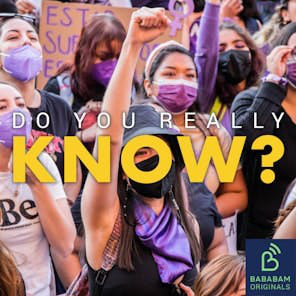
The association between the color purple and feminism is not a modern invention but a tradition spanning over a century. The roots of this symbolism trace back to the early 20th century in the United Kingdom, specifically through the "Women's Social and Political Union" (WSPU). As the podcast transcript highlights, these suffragettes "fought tirelessly for women to get the right to vote," adopting purple alongside white and green as their official colors.
In 1907, Emmeline Pethick-Lawrence, a prominent member of the WSPU, helped solidify this choice. Writing in the organization's newspaper, she explained the rationale: "purple, as everyone knows, is the royal colour. It stands for the royal blood that flows in the veins of every suffragette, the instinct of freedom and dignity." Beyond the symbolic weight, there were practical considerations; purple was one of the few "synthetic dyes available in the 19th century," making it an accessible and affordable option for women at the time. Furthermore, its lack of association with existing political parties made it a neutral yet powerful choice for the movement.
Modern Symbolism and the Subversion of Gender Norms
In contemporary society, purple has endured as the "undisputed colour of feminism." Its prominence was underscored during the 2021 inauguration of Kamala Harris, who wore a purple coat—a choice that drew significant attention and comparisons to other political figures like Hillary Clinton and Jill Biden.
Beyond historical reverence, the color serves a functional purpose in modern discourse. It provides a stark contrast to the "pastel shades" traditionally linked to femininity, which are often associated with "softness." By blending blue and pink—colors historically "assigned to genders"—purple acts as a visual subversion of "patriarchal norms," positioning itself as a more inclusive and assertive alternative.
Navigating Challenges: From 'Lavender Menace' to Reclaiming Identity
Despite its status, the color has faced internal friction within the feminist movement. During the second wave of feminism in the 1960s and 70s, the color became linked to the "lavender menace," a term used by some activists to express concerns regarding the rising prominence of the "lesbian feminist movement."
This tension stemmed from historical associations with the ancient Greek poet Sappho, who legend suggests was bisexual. However, lesbian activists successfully "reclaimed purple to assert their presence within the wider feminist movement," effectively transforming a potential point of exclusion into a symbol of identity and solidarity. This evolution demonstrates how the color has remained dynamic, adapting to the changing needs of the movement it represents.
The Contemporary Warning: The Dangers of 'Purple Washing'
As the podcast concludes, the legacy of the color is now threatened by a modern phenomenon known as "purple washing." Much like greenwashing in environmentalism, purple washing occurs when companies "exploit feminist symbols without taking any meaningful action themselves to advance gender equality."
In the context of International Women's Day, where the color is ubiquitous in flags and ribbons, the transcript serves as a reminder to look beyond the surface. While the color purple remains a powerful identifier for feminism, its true value lies in the commitment to the cause it represents, rather than the mere aesthetic adoption of its symbols by corporate entities.
Deep Learning with ListenLeap


