
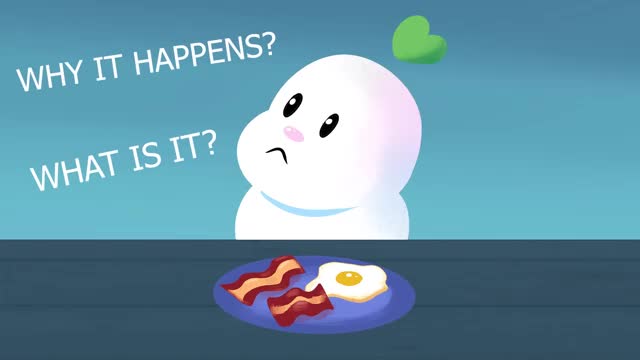
[Understanding Anhedonia: Why Joy Feels Distant and How to Reclaim It]-[Why Nothing Feels Good Anymore]
📋 Summary
Understanding Anhedonia: Navigating the Loss of Pleasure
Have you ever found yourself staring at your favorite hobbies with total indifference, or eating your go-to meal only to find it tastes "dull"? This disconnect from the things that once sparked joy is not a character flaw; it is a clinical symptom known as anhedonia. This article explores the nature of this experience, the biological reasons behind it, and actionable steps to help you reconnect with your sense of pleasure.
Defining Anhedonia: A Deeper Disconnection
Anhedonia is far more than simple boredom. It is defined as "the inability to feel pleasure" and represents a state where the brain struggles to register rewards. It is described by many as a "deeper disconnection" from the activities that typically provide motivation or excitement. The podcast highlights two primary manifestations:
- Social Anhedonia: A state where social interaction feels "draining or meaningless," making human connection feel like a chore rather than a joy.
- Physical Anhedonia: A condition where sensory experiences—such as eating, listening to music, or participating in hobbies—feel "numb" or entirely flat.
The Biological 'Power Saving Mode'
Why does the brain suddenly decide to turn off the reward system? The podcast suggests that anhedonia is often a protective mechanism. It is frequently associated with depression, burnout, chronic stress, trauma, ADHD, and prolonged "overstimulation."
When the brain is pushed past its limits, it enters a state of "power saving mode." In this state, "dopamine levels may dip," and the internal reward system effectively goes offline. It is the mind’s way of signaling, "I need a break." Those experiencing this often report feeling as though they are "watching my own life through glass," where they intellectually know they should enjoy something, but remain unable to feel anything.
Reclaiming Your Capacity for Joy
The most critical takeaway is that anhedonia is not a permanent state; it is a signal that your brain is "tired" or "overwhelmed." Recovery requires patience, self-compassion, and a shift in perspective. The following strategies are recommended for those looking to restart their reward system:
1. The Power of Micro-pleasures
Do not aim for grand experiences immediately. Instead, focus on "tiny, low-effort joys." Whether it is the warmth of a drink, a moment in the sunlight, or a brief walk, these small inputs can help nudge the brain back toward sensory engagement.
2. Routine Over Motivation
Many people wait to feel motivated before they act. However, the podcast emphasizes that "action often brings back the feeling, not the other way around." By establishing a simple routine, you provide your brain with the structure it needs to slowly begin registering pleasure again.
3. Introducing Novelty
Since the brain responds well to new experiences, incorporating "tiny changes" can act as a catalyst for the reward system. Breaking out of the monotony of the familiar can help shock the system out of its muted state.
4. Rest and Support
Sometimes, the inability to feel joy is simply a sign that you are "running on empty." Setting healthy boundaries is essential for recovery. Furthermore, if the condition is intense or persists, seeking the guidance of a "mental health professional" is vital to uncover the "root cause" of the emotional numbness.
Conclusion: Joy Isn't Gone, It's Just Quiet
It is important to remember that experiencing anhedonia does not mean you are "lazy or ungrateful." Your brain is simply trying to protect you from further exhaustion. By understanding that your joy is not gone forever—it is simply "quiet right now"—you can approach your recovery with the gentleness required to help it find its way back.
Deep Learning with ListenLeap


