
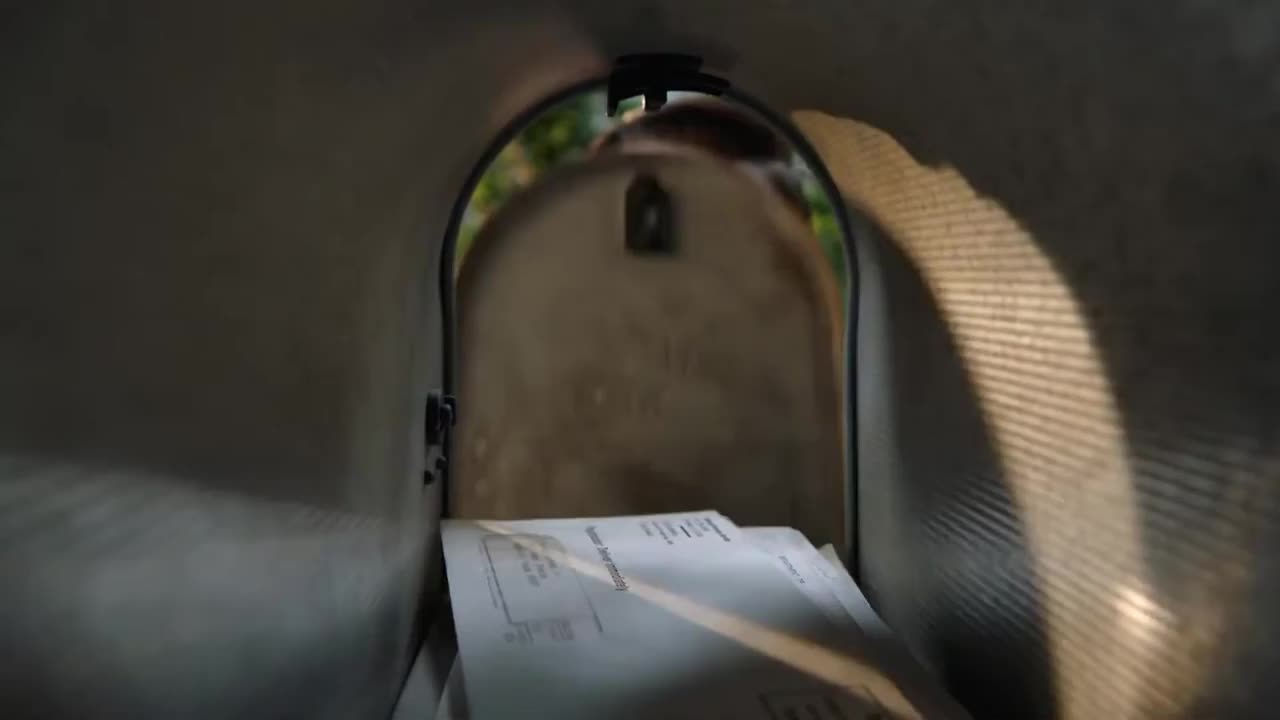
[The Young Accountant: A Humorous Take on Family Finances and Tax Optimization]-[Why Is the Grocery Bill So High? | Young Sheldon]
📋 Summary
The Unconventional Weekend
For most adolescents, the weekend is a sanctuary of “fun, freedom,” and, as the narrator jokingly observes, “a chance to ignore all forms of hygiene.” However, the narrator’s perspective on these two days of respite is starkly different. While his peers are relaxing, he views the weekend as an “unwelcome break from education.” Instead of engaging in typical teenage pastimes, he dedicates his time to a highly unusual pursuit: managing his “parents' taxes.”
The Tax Enthusiast’s Methodology
The narrative takes a comedic turn as the protagonist treats the complex world of tax documentation with the fervor of a seasoned accountant. He greets the “W-2” form with enthusiasm, diving headfirst into the fine print. He navigates the intricacies of retirement plan exclusions and worksheets with a sense of authority, humorously remarking, “Try and stop me” when faced with complex tax instructions. His analytical approach transforms a mundane household task into a high-stakes financial mission, highlighting his obsession with efficiency and fiscal optimization.
Scrutinizing Household Expenditures
As the narrator audits the family finances, he adopts a critical tone, questioning his parents about why their “grocery bills are up 12 compared to last quarter.” His interrogation of household spending leads to a humorous exchange regarding the family’s consumption habits. He identifies a “person at the end of the table that eats for free” and another who “eats for three,” showcasing his meticulous attention to detail even within the family dining room. This scene underscores the clash between his clinical, numbers-driven worldview and the messy reality of family life.
The Pursuit of Tax Deductions
Perhaps the most humorous aspect of the narrator’s financial crusade is his relentless search for tax write-offs. Upon discovering his mother’s contributions to a “church food drive,” he immediately sees an opportunity for tax benefits. He suggests that the cost of groceries, the fuel for the trip, and even the time spent driving could potentially be claimed. He pushes his logic to absurd lengths, suggesting his mother might even “count her car as a home office.”
His philosophy is encapsulated in his cynical yet pragmatic inquiry: “What's the point of charity if there are no tax benefits?” This statement acts as the comedic climax of the piece, highlighting his complete detachment from the altruistic spirit of the food drive in favor of pure financial gain. Despite his parents’ attempts to ground him—with his mother telling him to “Eat your peas”—the narrator remains steadfast in his pursuit of optimization. His brother’s interjection, “You eat your paste too,” serves as a final, absurd reminder that despite the narrator’s precocious interest in tax law, he is still just a child living in a chaotic household.
Ultimately, the podcast episode serves as a lighthearted exploration of a child who finds joy in the very things that cause most adults stress, illustrating how a unique personality can turn a household chore into a display of precocious, if slightly aggressive, financial planning.
Deep Learning with ListenLeap


