
[Navigating the Invisible: Understanding the Feeling of Being Unloved]-[Why You Feel Unloved (Even When People Care About You)]
📋 Summary
Navigating the Invisible: Understanding the Feeling of Being Unloved
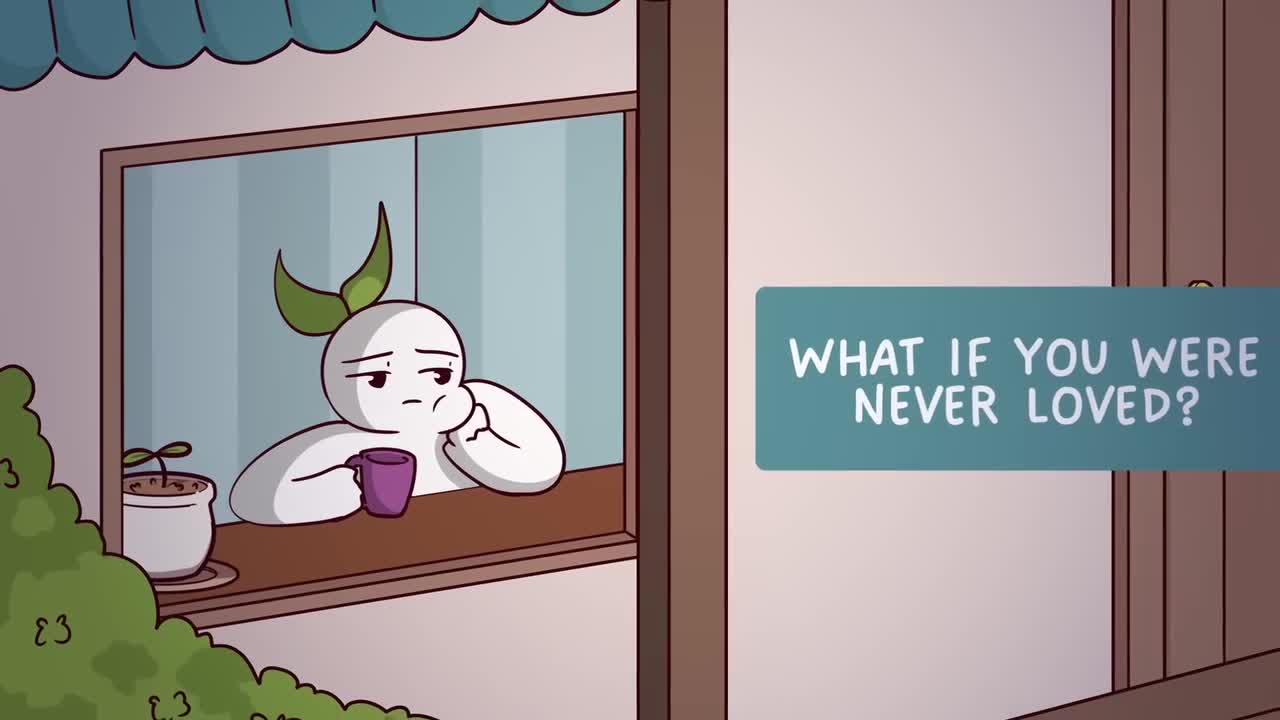
For many, the concept of love is often framed by cinematic tropes—dramatic airport runs, grand confessions, and sweeping soundtracks. However, for a significant number of people, the reality of love feels far more elusive. When one wonders, "What if I was never loved?" it is rarely about the fairytale ideal, but rather a profound, "real, messy, complicated, human way" of experiencing connection. This reflection explores the psychological landscape of feeling unloved and how we can reframe these experiences.
The Alien Language of Connection
Many individuals report watching emotional scenes in media—such as the profound connections in Your Name or Spirited Away—and feeling a sense of alienation. While they understand the concept of love intellectually, experiencing it feels like "watching a language you were never taught." This disconnect suggests that for some, the feeling of being seen by another is not a familiar memory but an observational mystery, leading to a sense of isolation even when witnessing love in others.
Hypervigilance and the Suspicion of Kindness
One of the most poignant side effects of emotional neglect is the inability to relax when kindness is actually offered. Psychologists refer to this as "hypervigilance." Much like the character Todoroki in My Hero Academia, who initially struggles to accept genuine friendship from Deku, those who have experienced unpredictable or rare kindness often interpret care as a threat. The brain, in its attempt to "protect you," views kindness as suspicious, asking, "Why are they being nice to me?" or "What do they really want?" This defense mechanism, while adaptive in the past, often creates a barrier to the genuine connection one desires.
The Narrative of Being Unlovable
When people grow up feeling unseen, they often construct a internal narrative: "Maybe I'm just not someone people can love." The mind then begins to collect "evidence" to support this belief—a canceled plan, an ended relationship, or a moment of perceived rejection. This creates a "sad montage scene" in one's life, echoing the melancholic resonance of songs like Lorde’s Liability or Radiohead’s Creep.
However, psychology offers a crucial counter-perspective: feeling unloved does not necessarily mean you were never loved. Often, it signifies a mismatch between the love provided and the specific emotional needs one required at that time. Recognizing this distinction is the first step in dismantling the "unlovable" story.
Reframing Love Beyond the Cinematic
Real-life love rarely mirrors the dramatic displays of movies. It is quieter and more subtle. It manifests as a friend "remembering the exact snack you like," or someone simply sitting with you when "things feel really heavy" without attempting to fix your problems. For those who have felt unloved, the journey often involves learning to recognize these quiet, unsung forms of care as valid and significant, even if they lack a cinematic soundtrack.
The Plot Twist: The Capacity to Care
The most significant realization is that the very act of questioning whether you were loved proves that you value and desire connection. This "ability to care" is the foundational tool required to build meaningful relationships in the future. Past experiences shape our perception of safety, but they do not dictate our destiny. Humans possess the capacity to "rewrite their emotional stories," moving from the awkward early episodes of a character arc toward genuine growth and healthier patterns of attachment.
By understanding our emotional patterns with compassion, we move closer to finding people whose minds and hearts truly fit with our own, proving that the search for connection is a journey that remains open to everyone.
Deep Learning with ListenLeap


