
[Beyond Social Anxiety: Understanding Why Crowds Feel Overwhelming]-[Why You Feel Overwhelmed in Public (Even If You’re “Fine”)]
📋 Summary
Understanding the Crowd Conundrum: It’s Not Always Social Anxiety
Many individuals experience a visceral reaction—tightening chests, racing thoughts, and rapid energy depletion—when faced with crowded environments like parties or concerts. A common misconception is that this discomfort automatically equates to being antisocial or suffering from social anxiety. However, as Psych2Go highlights, these experiences are distinct. While social anxiety is fundamentally "driven by fear of judgment or negative evaluation," many people who struggle with crowds harbor no fear of people at all. Instead, their discomfort stems from how their nervous system manages environmental input.
The Role of Sensory Processing Sensitivity
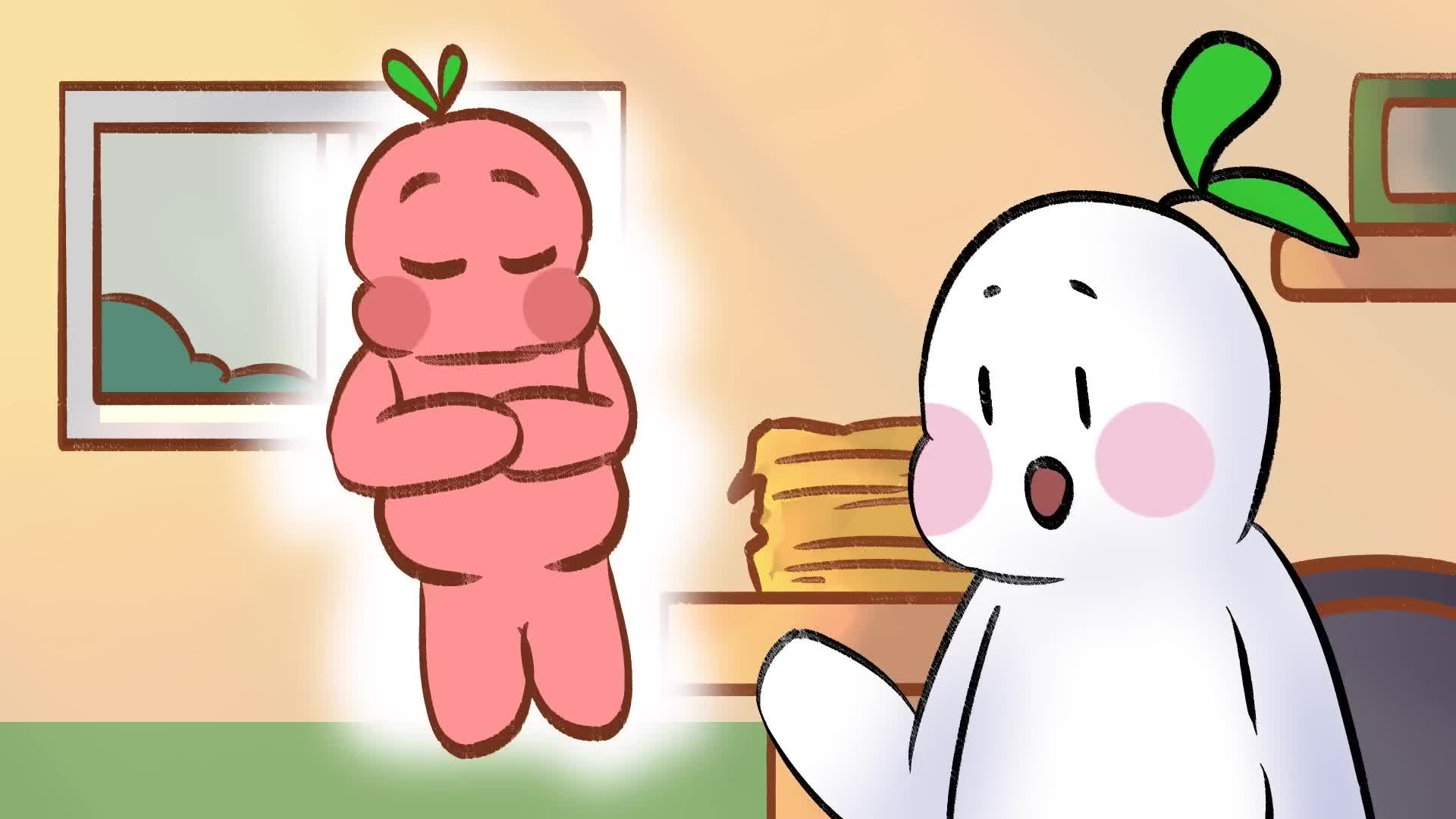
The podcast introduces the concept of "sensory processing sensitivity" to explain why some brains find crowds exhausting. In a crowded space, a person with high sensitivity is bombarded with "sounds, lights, facial expressions, movement, and emotional cues." The brain is not failing; rather, it is "working overtime." The speaker uses a relatable analogy, comparing this state to having "too many tabs open at once." This physiological reaction is not a sign of being "broken" or "bad with people"; it is simply a reflection of a nervous system that processes stimulation more deeply than others.
Evolutionary Perspectives and Individual Differences
From an evolutionary standpoint, human nervous systems did not evolve uniformly. The podcast explains that different temperaments served specific functions for our ancestors. Some nervous systems were "tuned for exploration and stimulation," while others were "tuned for vigilance and pattern recognition." Both strategies were "necessary for survival." Crucially, the speaker emphasizes that "different doesn't mean better; it means complementary." This validates the idea that being sensitive to environmental stimuli is a natural variation in human biology rather than a character flaw.
Moving Beyond the Introvert/Extrovert Binary
A frequent point of confusion is whether crowd discomfort is merely an "introvert versus extrovert" issue. The podcast clarifies that these labels describe "how you recharge energy," not whether you fear crowds. Many people exist on a spectrum between these two poles, and crowd discomfort does not fit neatly into such simplistic labels. For many, particularly during high school years where "autonomy is limited" and "visibility feels constant," crowded spaces can feel stifling. The ability to find a quiet space, such as an "empty classroom," often determines whether an individual can maintain their focus and mental well-being.
Practical Regulation Strategies
For those who must navigate crowded environments, the podcast advocates for the use of "regulation strategies" rather than viewing their discomfort as a "weakness." Suggested techniques include:
- Positioning yourself near exits.
- Arriving early or leaving before the onset of exhaustion.
- Taking short breaks.
- Setting strict time limits.
These tools allow individuals to manage their environment effectively. For those whose professional goals involve "teaching, leadership, or public speaking," learning to tolerate crowds is a matter of "building capacity slowly." The speaker reassures the audience that "growth doesn't mean changing who you are"; it is about personal development and learning to work with your unique nervous system.
Conclusion: A Community Approach
Ultimately, the message is one of self-compassion. If crowds feel overwhelming, it is not an indication that something is wrong with you. By understanding that your nervous system simply "works differently," you can stop pathologizing your reactions. Psych2Go encourages a community-driven approach to mental health, inviting listeners to share their own "coping" mechanisms. By fostering an environment where these experiences are discussed openly, we can make psychological information more "accessible, digestible, and easier to understand," helping everyone feel "seen, informed, and less alone."
Deep Learning with ListenLeap


