
[Understanding Schizoid Personality Disorder: A Deep Dive into Social Detachment and Solitude]-[Why You Feel Detached From Everyone (Schizoid Personality Disorder)]
📋 Summary
Understanding Schizoid Personality Disorder: Beyond the Misconceptions
Schizoid Personality Disorder (SZPD) is a frequently misunderstood condition often overshadowed by other social or psychological labels. Unlike conditions driven by fear or energy management, SZPD represents a fundamental, enduring preference for solitude. This article explores the clinical reality of SZPD, distinguishes it from similar-looking behaviors, and offers guidance on how to support those who experience the world through this unique lens.
The Core Essence: Indifference vs. Fear
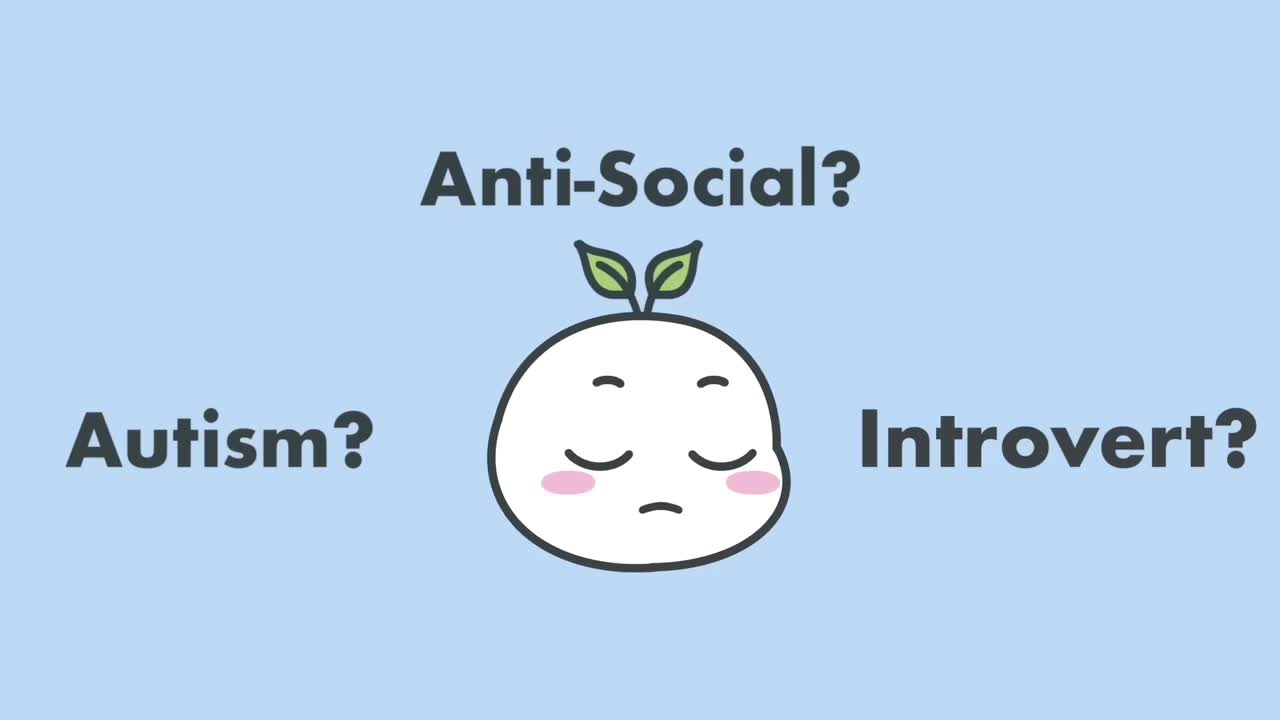
The defining characteristic of SZPD is indifference. While social anxiety or introversion might look similar from the outside, the internal drivers are vastly different:
- Social Phobia: Driven by fear. Individuals with social anxiety often crave connection but are paralyzed by the dread of judgment or rejection.
- Introversion: Driven by energy management. Introverts may enjoy social interaction, but they require solitude to "recharge" their social batteries.
- Autism Spectrum Disorder (ASD): Driven by neurology. Challenges here often stem from difficulties processing social cues or nonverbal communication, rather than a lack of desire for connection.
- Schizoid Personality Disorder (SZPD): Driven by indifference. A person with SZPD lacks the inherent desire for close relationships. Solitude is not a coping mechanism for exhaustion or fear; it is their natural, preferred state of being.
Clinical Criteria and Manifestation
According to the DSM-5, a diagnosis of SZPD involves a pervasive pattern of detachment from social relationships and a restricted range of expression of emotions. Key indicators include:
- Little to no desire for close relationships, including family.
- A consistent preference for solitary activities.
- Minimal interest in sexual experiences.
- Little pleasure derived from most activities.
- Lack of close friends or confidants.
- Apparent indifference to praise or criticism.
- A display of emotional coldness or flattened affectivity.
It is important to note that SZPD is relatively uncommon, affecting approximately 31% of the population, with a slightly higher prevalence in males. Cultural factors also play a role; for instance, the Japanese phenomenon of hikikomori—where individuals withdraw completely from society—shares characteristics with the profound social detachment seen in SZPD, illustrating how cultural norms can shape personality expression.
Navigating Relationships with SZPD
For those who have a loved one with SZPD, or for those who identify with these traits, the approach should be rooted in respect and understanding rather than pressure to change. The podcast highlights several ways to foster healthy connections:
- Respect the Space: Solitude is not a "problem to be fixed." Trying to force someone to be more social can cause unnecessary friction.
- Connect on Their Terms: Deep connection can occur through shared silence, side-by-side activities, or mutual interests, rather than forced small talk.
- Avoid Personalization: If an individual with SZPD cancels plans or fails to reply, it is rarely a rejection of the other person. It is usually a matter of energy regulation or a personal need for quiet.
The Path to Authenticity
As one individual who identifies with the disorder shared, "I’m not broken, I’m just full." For many, the internal world is rich and fulfilling enough that a crowd is not required to feel alive. Therapy for those with SZPD should not focus on "curing" the personality type, but rather on personal growth and learning how to communicate their needs to others effectively.
Ultimately, SZPD is not a curse but a different way of experiencing the world. By moving away from the idea that social interaction is the only standard for a "healthy" life, we can foster a more inclusive understanding of human diversity. The goal is not to force conformity, but to live authentically—whether that life is one of deep, curated solitude or of traditional social engagement.
Deep Learning with ListenLeap


