
[The Modern Quest: Why We Crave Romantic Tropes in a Disjointed World]-[Why Is Everyone Running In Rom-Coms?]
📋 Summary
The Modern Quest: Why We Crave Romantic Tropes in a Disjointed World
The Cinematic Manifestation of Interior Fireworks
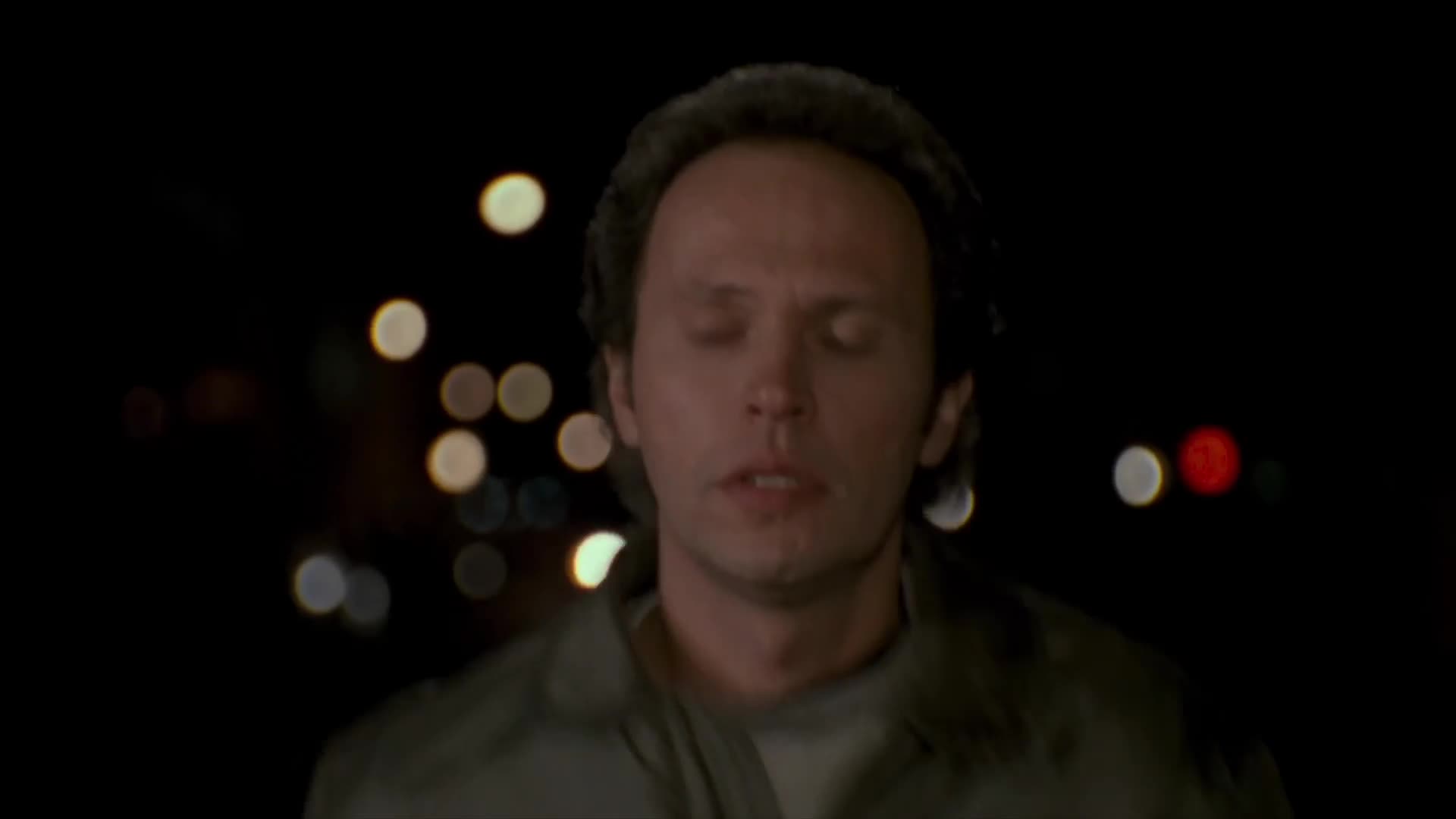
We are all intimately familiar with the classic romantic comedy trope: the protagonist dashing through an airport or city street to profess their love before time runs out. While these scenes are often dismissed as cliché, they serve a profound function. As the podcast notes, "every profession of romantic love is dramatic," but the "drama is happening inside." These cinematic dashes serve to "externalize those interior fireworks," transforming the invisible, internal experience of passion into a tangible, visual narrative. We are drawn to these tropes not because they are realistic, but because they act as a projection of a universal, deep-seated desire for meaning in a modern age.
The Fragmentation of Meaning and the Individual Burden
To understand why we cling to these stories, we must look at the historical shift that occurred around the 1700s. Before this period, human existence was anchored in a "cosmic moral order"—a shared framework of meaning. As this authority began "cracking, fragmenting, and losing its authority," the responsibility of constructing a life of significance shifted onto the shoulders of the individual. We became "desperate seekers in a confusing and disjointed world."
This shift coincided with the emergence of the novel, a storytelling form uniquely suited to explore the inner lives and motivations of "ordinary individuals." Novels taught us to view our lives as a "narrative quest" with a clear beginning, middle, and end. Drawing on Alastair MacIntyre’s philosophy, the podcast highlights that the "unity of a human life is the unity of a narrative quest," where the ultimate "grail" is fulfillment—the sense of living a full and meaningful life.
Romantic Love as a Modern Invention
While humans have always felt affection, modernity transformed romantic love into a central pillar of self-identity. As Charles Taylor observes, the change lies in how these dispositions became "a crucial part of what makes life worthy and significant." In the modern narrative, the beloved is the one who "answers a lack," effectively making the "flawed individual whole." This concept, echoed in the words of Anthony Giddens, suggests that the partner completes the self.
This invention of modernity provided a powerful, theoretically accessible way for individuals to anchor themselves. The explosion of romantic novels in the 1800s and the subsequent rise of rom-com films provided the public with a psychological grounding. These stories work because they simplify the existential struggle, offering a clear, singular goal that provides the protagonist—and the viewer—with a sense of purpose.
The Fantasy vs. The Curse of Modernity
Ultimately, the appeal of the rom-com lies in its rejection of complexity. Where reality is characterized by hesitation, ambiguity, and "doubt and ambivalence," the fantasy offers a world where people "run in straight lines toward meaning that they're absolutely certain of."
We live in a world where "there are no lines"—only spirals and stumbles. This is the "curse of modernity," or perhaps more accurately, its defining "challenge." We gravitate toward these cinematic tropes because they provide a temporary respite from the burden of self-creation. They offer a comforting, albeit fictional, assurance that life can be a coherent story with a meaningful conclusion. While we acknowledge the simplicity of these fantasies, they remain an essential tool for navigating the profound confusion of our modern existence.
Deep Learning with ListenLeap


