
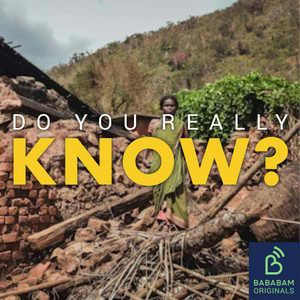
[The Disproportionate Impact of Natural Disasters on the Vulnerable]-[Who are the main victims of natural disasters?]
📋 Summary
The Unequal Toll of Natural Disasters: A Deep Dive
Natural disasters represent a profound global challenge, manifesting in "damaged property, loss of life, psychological trauma," and the displacement of countless families. According to the World Meteorological Organization, the frequency of these events has surged, increasing "five times since 1970." While megadisasters—such as the 2004 Indian Ocean tsunami, the 2008 Cyclone Nargis, and the 2010 Haiti earthquake—have claimed over 100,000 lives each, the underlying reality is that the burden of these catastrophes is not shared equally.
The Correlation Between Poverty and Vulnerability
The consensus among global researchers is stark: "The poorer people are, the more likely they are to suffer the consequences." This creates a "bitter irony" where nations that have contributed the least to climate change are often the ones most severely impacted by its consequences, including "droughts, heat waves, flooding, and storms."
Data from a 2009 analysis by the charity Oxfam, which examined 6,500 natural disasters since 1980, provides empirical evidence for this inequality. The study found a staggering discrepancy: an average of only 23 deaths occur when a natural disaster strikes a wealthy nation, compared to 1,052 deaths in a poorer country. This disparity is compounded by the geographic reality that many of the world's most impoverished nations are situated in "high-risk zones."
Long-term Consequences and the Capacity to Respond
Beyond immediate mortality, the long-term aftermath of a disaster is significantly more brutal for vulnerable populations. The podcast highlights critical issues such as "food insecurity, a lack of safe drinking water, illness, and further deepening of poverty."
Wealthier nations maintain a distinct advantage because they possess the "means to offer an effective response as a matter of urgency" and the financial resilience to "soak up the long-term consequences." In contrast, impoverished nations lack the infrastructure and resources to recover efficiently, perpetuating a cycle of hardship.
Vulnerability Within National Borders
Inequality is not merely a global phenomenon; it exists within the borders of individual countries. Even in developed nations, "poorer people, and minorities in general, tend to find themselves on the front line" when a disaster strikes.
A primary example cited is Hurricane Katrina, which devastated New Orleans in 2005. The podcast explains the structural reasons for this vulnerability:
- Infrastructure Quality: Poorer individuals often reside in "homes that are less solidly built," making them more susceptible to destruction.
- Financial Constraints: Lower-income households are "less able to invest money in risk-reducing measures."
- Mobility and Evacuation: Effective evacuation requires the ability to "leave the area quickly and find shelter elsewhere." However, those living in poverty may lack "a car at their disposal" or the financial capacity to pay for temporary accommodation, leaving them trapped in dangerous conditions.
In summary, while natural disasters are natural in origin, their impact is fundamentally shaped by socio-economic status. The combination of geographic location, lack of capital, and inadequate infrastructure ensures that the most vulnerable populations continue to bear the heaviest cost of our changing climate.

Deep Learning with ListenLeap


