
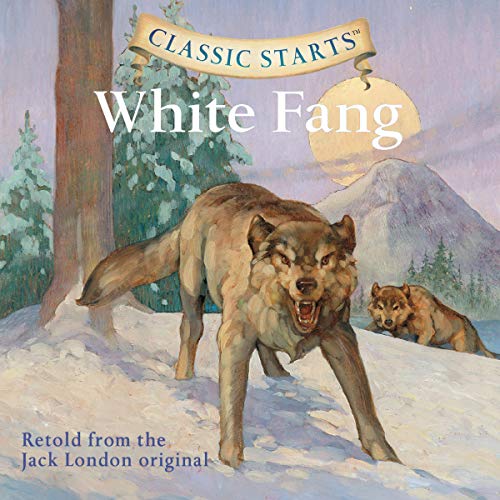
[The Transformation of White Fang: Loyalty, Defense, and the Rescue of Whedon]-[White Fang - Part 24]
📋 Summary
The Evolution of a Domesticated Wolf
In the narrative of White Fang, Chapter 23 marks a profound shift in the protagonist's identity. Having left behind his "old ways" and the brutal environment of Fort Yukon, White Fang has successfully integrated into the life of his master, Whedon Scott. This transition is characterized by a disciplined suppression of his predatory instincts; he understands that "fighting was not allowed" and that he must navigate human society without resorting to violence, even when provoked by other dogs who "bit at his heels and tried to trip him up."
The Protector and the Protected
White Fang’s relationship with Whedon is defined by mutual respect and a new sense of security. Whedon acts as a benevolent guardian, recognizing when the wolf is being harassed and granting him permission to defend himself. When Whedon tells him, "You can take after them," it serves as a liberating moment for the wolf, who previously felt constrained by his master’s rules. This dynamic extends beyond the streets; Whedon also intervenes when children throw "sticks and rocks" at the wolf, demonstrating that he is "not quick to anger, but would always quietly come to White Fang's defense."
During their rides through the countryside, White Fang experiences a sense of freedom that evokes memories of "hunting with his mother in the wild." These moments of joy, occurring "before Beauty Smith, before Gray Beaver," reveal that despite his inability to use human language, White Fang possesses a deep, internal understanding of his own happiness and emotional state.
A Test of Loyalty: The Accident
The central crisis of the chapter occurs when "disaster struck" during a ride. Whedon’s horse loses its footing, resulting in a fall that leaves Whedon with a "broken" leg. In this moment of extreme vulnerability, White Fang’s loyalty is tested. He displays human-like concern, as he "sniffed and whimpered, trying to encourage him to get up." When Whedon commands him to "Go home," the wolf’s struggle to comprehend the order highlights the intensity of his bond with his master.
Upon reaching the Scott family home, White Fang’s behavior becomes frantic. He is described as being "so wild that he scared the children," causing Judge Scott to remain skeptical, remarking, "A wolf is a wolf. There is no trusting one." However, White Fang’s persistence—nudging the family members and pacing toward the trail—eventually communicates the urgency of the situation. When he finally "barked and was understood," it serves as a pivotal bridge between the wild and the domestic.
Conclusion: Acceptance and Integration
The successful rescue of Whedon solidifies White Fang’s place within the family unit. The incident proves to the Scotts that the wolf’s loyalty is absolute. No longer viewed with suspicion, White Fang earns a "special place in everyone's heart," and even the household collie begins to treat him as an equal. The chapter concludes with a powerful realization: "No one doubted now that a wolf could change." Through his actions, White Fang has shed the stigma of his past, proving that the instincts of a predator can be transformed into the steadfast devotion of a companion.

Deep Learning with ListenLeap


