
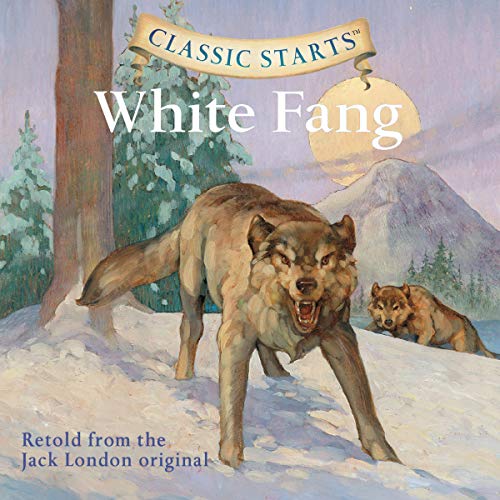
[The Betrayal of White Fang: A Descent into Captivity]-[White Fang - Part 16]
📋 Summary
The Betrayal and Transformation of White Fang
The Calculated Deception of Beauty Smith
In this chapter, the narrative centers on the manipulative machinations of Beauty Smith, a man obsessed with possessing White Fang. Recognizing that Gray Beaver, despite his indifference, understood the wolf was the "strongest sled dog he had ever had," Beauty Smith orchestrates a scheme to force a trade. By sneaking into the camp and destroying Gray Beaver's sled with a "heavy axe," he effectively traps the owner in Fort Yukon. This act of sabotage leaves Gray Beaver with no choice but to accept a trade for a new sled from the Hudson's Bay Company, ultimately exchanging White Fang for his own mobility. This marks a pivotal, tragic moment where White Fang is traded "fair and square," stripping the wolf of his familiar environment.
The Brutality of Confinement
Upon being transferred to Beauty Smith, White Fang’s life takes a dark turn. Beauty Smith wastes no time establishing dominance, surprising the wolf with a "kick to the side of his head" before throwing him into a cage. For a creature whose "instincts and nature demanded room" to roam, this confinement is a form of "torture." The cage becomes a site of constant torment; Beauty Smith habitually "poked at the wolf with a stick through the bars," fueling White Fang’s growing sense of panic and rage. This environment is intentionally designed to make the wolf "angrier, more desperate for escape, and more dangerous."
The Failed Rescue and Resignation
White Fang’s brief moment of agency occurs when he seizes an opportunity to escape, knocking his "cruel master down" and fleeing back to Gray Beaver. However, the reunion is short-lived and heartbreaking. Gray Beaver, adhering to the rigid "rules of men," refuses to reclaim the wolf, stating, "You were sold, fair and square... You have to go back."
This rejection forces White Fang to return to his captor. The psychological impact is profound; as he is handed back to Beauty Smith, White Fang "stopped fighting" because he "knew this was his fate." The subsequent "savagely" administered beatings and the finality of the locked cage break the wolf’s spirit. The narrative concludes on a somber note: the memories of his mother and his past are fading, and White Fang accepts that his existence is now defined by the malice of Beauty Smith. He is transformed into a creature that is "meaner, angrier, and more spiteful than ever before," illustrating the corrupting influence of human cruelty on his wild nature.
Deep Learning with ListenLeap


