
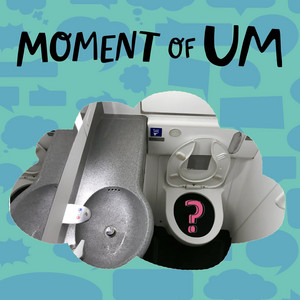
[The Science Behind Airplane Toilets: Where Does the Waste Go?]-[Where do poop and pee go on airplanes?]
📋 Summary
Uncovering the Mystery of Airplane Waste Disposal
Many air travelers, including host Anna Goldfield, have found themselves curious about the mechanics of the airplane restroom. Specifically, the loud, powerful flush that seems to whisk waste away at "lightning speed" raises a common question: does the waste simply fall out of the plane during flight? As it turns out, the reality is much more controlled and sanitary.
The Mechanism of the Flush: A Powerful Vacuum
According to Shannon Baldioli, an educator at the National Air and Space Museum, the airplane toilet operates on a principle similar to a household vacuum cleaner. When a passenger presses the flush button, they are activating a "super loud suction noise" created by a "really powerful vacuum." This system is designed to pull waste out of the toilet bowl and transport it through a pipe system directly into a "waste collection system" located in the "belly of the plane."
To ensure the process is efficient and mess-free, the toilet bowl itself is "coated with special stuff called Teflon." This non-stick coating prevents residue from clinging to the bowl, ensuring that the suction system can clear the contents completely during every flush.
Storage and Ground Disposal: The Role of the Honey Wagon
Contrary to popular myths, waste is never released during flight. Instead, it remains securely stored in a specialized tank at the bottom of the aircraft throughout the duration of the journey. Once the plane reaches its destination, the disposal process begins:
- The Honey Wagon: Airport workers utilize a specialized service vehicle known as a "Honey Wagon." This truck is driven to the bottom of the plane to interface with the waste storage system.
- Extraction: A hose is connected to the tank, and a vacuum pump—mirroring the technology used inside the plane—is used to extract all the contents, including "cleaners and chemicals" intended to neutralize odors.
- Sanitization: Before the ground crew disconnects the equipment, they perform a final maintenance step by spraying additional "chemicals and cleaners" into the system. This ensures the plane remains "extra clean" and maintains a fresh cabin environment for the next set of passengers.
Conclusion
While the prospect of using an airplane bathroom can be daunting on long-haul flights, the system is engineered to be entirely self-contained. By utilizing vacuum suction, Teflon-coated surfaces, and professional ground-based disposal via the Honey Wagon, airlines ensure that the cabin remains hygienic and odor-free, regardless of the length of the flight.
Deep Learning with ListenLeap


