
[The Psychology of Cravings: Decoding Your Emotional Hunger]-[What Your Favourite Food Says About You]
📋 Summary
Decoding the Psychology of Cravings: Food as an Emotional Clue
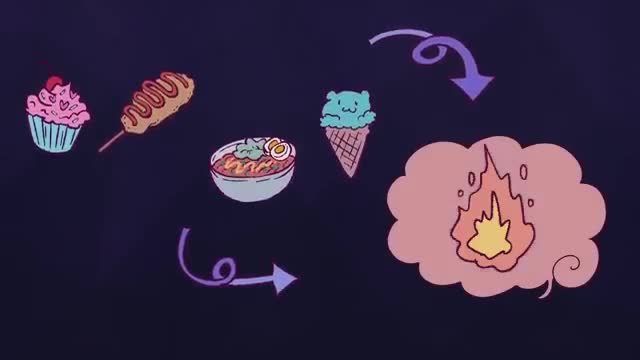
Food cravings are often dismissed as mere whims or a lack of willpower, but psychological research suggests they are far more significant. As Psych2Go highlights, when we crave specific tastes, it is often because "something inside you is [empty]," rather than a physical need for calories. Understanding these cravings requires us to view food as "emotional clues" that reveal our internal state.
The Brain’s Pursuit of Rapid Relief
When we experience stress, loneliness, or sadness, our brains prioritize the "fastest way to feel better" rather than the healthiest. Food serves as a powerful tool in this process because it directly influences the brain's reward system. By consuming preferred foods, we trigger the release of neurotransmitters such as dopamine and endorphins. This creates a temporary sensation of comfort and relief, which the brain quickly learns to associate with emotional regulation—the process of managing or soothing emotional distress.
Stress and the Duality of Appetite
Psychology illustrates that individuals process stress in fundamentally different ways, which manifests in distinct eating behaviors:
- Appetite Suppression: For some, stress triggers a nervous system response that "shuts hunger down." These individuals may feel "numb, disconnected, or withdrawn," as their brain shifts focus toward emotional survival rather than hunger cues.
- Emotional Eating: For others, food acts as a grounding mechanism. When an individual eats more during times of sadness, it is not a failure of self-control, but rather a learned behavior where the brain equates "food with relief."
Flavor Profiles as Emotional Shortcuts
Our cravings often act as specific signals for the type of emotional support we are seeking:
- Sweet Foods: These are frequently linked to "care and comfort." By increasing serotonin activity, sweets are often sought out when a person feels "depleted or emotionally tender."
- Spicy Foods: Because spice triggers the production of endorphins—the body's "natural painkillers"—it is often craved by those seeking "intensity, stimulation, or relief from emotional numbness."
- Salty Foods: These are typically associated with "stress and exhaustion." High-sodium, processed foods can activate the brain's reward system in a way that mimics "addictive behavior," making it difficult to stop once one begins eating.
- Bitter Flavors: Often a "learned taste," a preference for bitterness may suggest an individual’s ability to "tolerate complexity or discomfort better."
From Escapism to Mindful Awareness
It is crucial to distinguish between healthy enjoyment and emotional escapism. "Enjoying food means being present," whereas "escaping through food" involves distracted, rapid consumption that leaves one feeling "emotionally empty afterward." The core issue is not the food itself, but the act of "avoiding emotions."
Ultimately, this analysis serves as an invitation to observe our habits without judgment. By identifying the patterns behind our cravings, we can move away from using food as a crutch and toward a more profound understanding of our own emotional needs. The next time you reach for a specific snack, ask yourself: What was I feeling, and what did I truly need in that moment?

Deep Learning with ListenLeap


