
[The Rice Theory: How Our Labor Shapes Our Character]-[What to think of the Rice Theory of the Japanese Character]
📋 Summary
The Rice Theory: How Our Labor Shapes Our Character
For three millennia, rice cultivation in central Japan has functioned as more than just a method of food production; it has served as a profound architect of the Japanese national character. By examining the intricate requirements of rice farming, sociologists have developed the "rice theory," a framework suggesting that the demands of our daily work dictate the development of our personalities, temperaments, and societal values.
The Complexity of Rice Cultivation
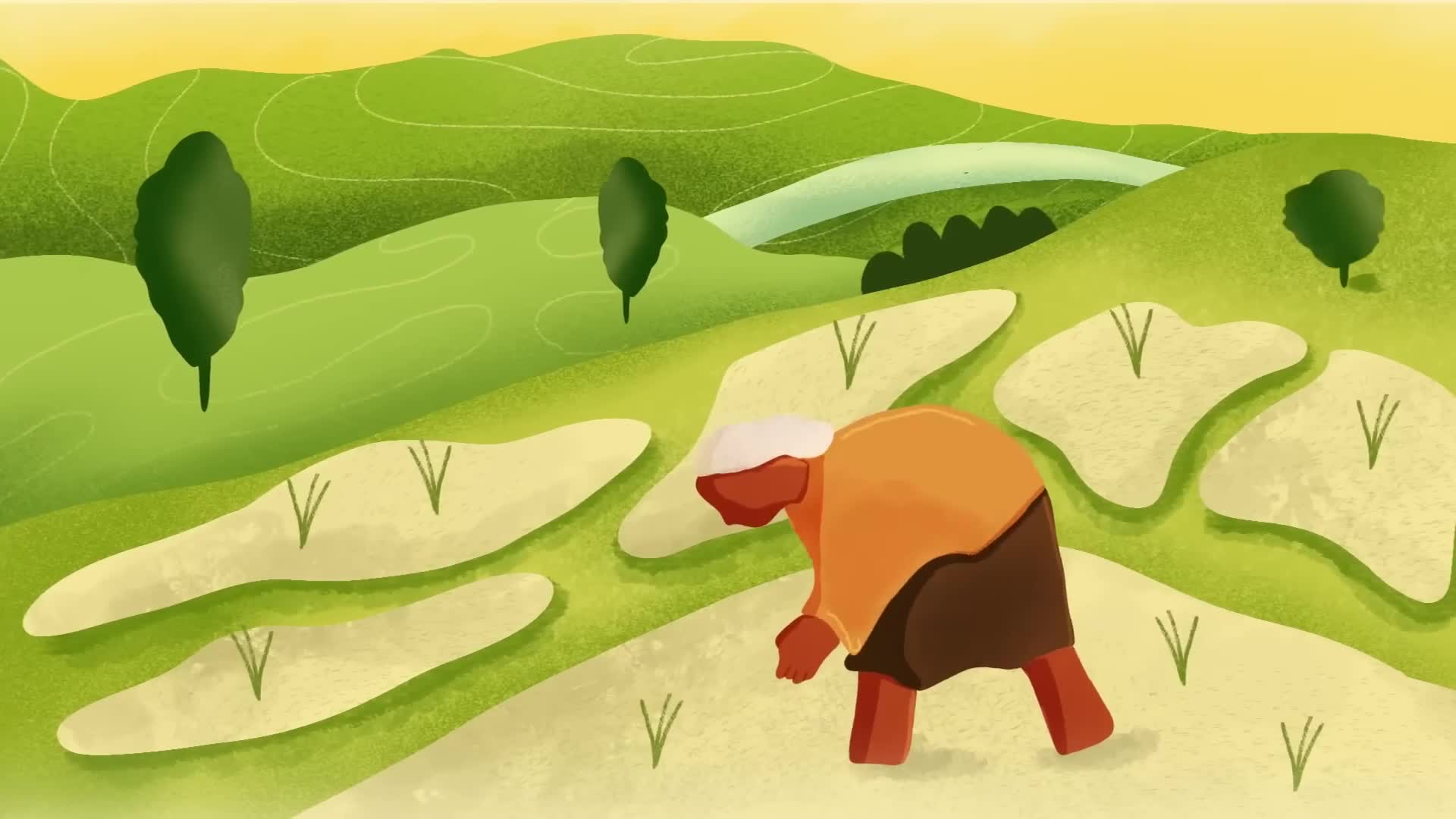
Rice farming is described as an "unholy degree of complication." The biological requirements for the crop are rigid: seeds require months of incubation in a "sunlit pool of water" at least five centimeters deep, while the stalks demand a dry environment to reach harvest maturity. This necessitates a sophisticated infrastructure of "terraces facing the sun," supported by a "well-managed network of sluices and dikes."
Beyond the physical labor, the process requires a social contract. Because water must flow down a hillside through various stages, farmers must maintain an "extremely detailed agreement" regarding water management. This environment demands that the entire community possess a "firm grasp of hydrodynamics," a "law-abiding nature," and a "highly punctual and disciplined outlook."
The Rice Theory vs. The Wheat Theory
Sociologists in the 20th century argued that these specific agricultural demands molded the Japanese national character, fostering a culture that is "collaborative, precise, traditional," and inherently focused on the "we rather than the I." The virtues required to bring in a successful harvest—patience, cooperation, and communal discipline—became the defining traits of the people.
In contrast, these sociologists contrasted this with the cultivation of wheat, typical of many Western nations. The nature of wheat farming, which requires less communal water management, is theorized to have produced cultures that are "individualistic, impatient, self-reliant, and innovative." While these theories may sound "fanciful," they serve as a potent reminder that our livelihoods do more than occupy our time; they actively shape our inner lives.
Professional Environments and Personality
This theory extends beyond agriculture into the modern workplace. The author posits that our daily tasks fundamentally shift our temperament: "Teaching children all day will give us one sort of temperament, designing advertising campaigns another."
This perspective offers a unique avenue for compassion. When we encounter individuals who seem "disloyal, paranoid, unreliable, and insincere," we should consider if these traits are fixed in their nature or merely a function of the "vagaries of their industry." For instance, if those working in high-pressure industries like television were instead tasked with managing "water sluices" in a village south of Osaka, they might, in time, become "exceptionally calm, collaborative, and forbearing."
Implications for Modern Society
On a state level, the "ruthlessness, immaturity, aggression, and exhibitionism" observed in modern countries may not be evidence of a "drastic deterioration in human nature." Instead, these societal ills might be the byproduct of how citizens are forced to earn their living.
Japan's rice theory invites us to look in an "unfamiliar and often painful place" to understand our own characters. It suggests that if we wish to reform our personalities or improve the collective temperament of our society, we must critically examine "who our jobs ask us to be every working day." By recognizing that our work environment is a primary driver of our identity, we gain the agency to seek professional structures that encourage the virtues we wish to embody.

Deep Learning with ListenLeap


