
[The Odysseus Strategy: Mastering the Art of Self-Binding Against Temptation]-[What to do When Willpower Fails]
📋 Summary
The Wisdom of Pre-commitment: Lessons from the Odyssey
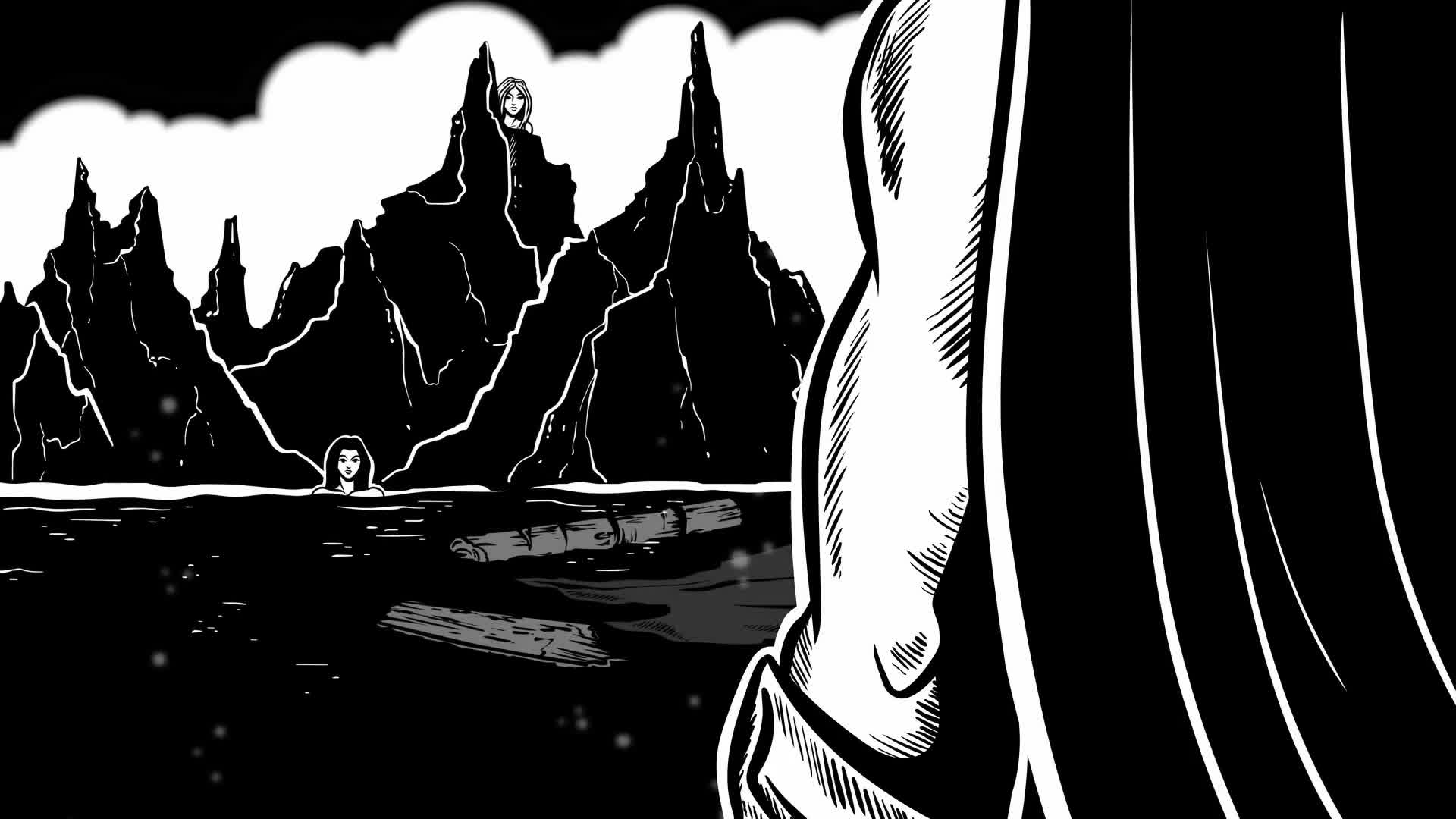
In Book 12 of Homer’s Odyssey, the tale of Odysseus and the Sirens serves as more than just a mythological adventure; it provides a profound blueprint for psychological self-regulation. The Sirens, notorious for "luring sailors to their deaths" with their enchanting songs, represent the uncontrollable impulses that threaten our well-being. Odysseus, recognizing his own vulnerability, employs a "mental manoeuvre" that remains essential for anyone seeking a disciplined life: the strategy of pre-commitment.
The Necessity of External Constraints
Odysseus’s decision to have his sailors "tie him to the mast" and "put beeswax in their ears" is a masterclass in acknowledging human frailty. He understands that when faced with overwhelming temptations, "finely wrought philosophical arguments" are often insufficient. Instead, he opts for the "blunt removal of temptation." This act requires a humble admission: we are not always the masters of our own reason. By granting his sailors "powers of attorney over us," Odysseus ensures that his future, irrational self cannot override his current, rational intentions. He essentially accepts being "treated as children" to protect his long-term interests.
Identifying Our Personal Sirens
Each individual faces their own version of the Sirens, "precisely tailored to the fault lines of our minds." These temptations are not limited to grand mythological threats; they manifest in the mundane and the painful alike. Whether it is an "ex who ruined years of our life," a "teenage child" who triggers our anger, or even a "kind of chocolate biscuit we can't stop eating," these lures are designed to exploit our weaknesses. When we recognize these patterns, we must be proactive. We must "gather our sailors"—our trusted friends or support systems—and grant them the authority to "take away the tiller of our destiny" during moments of weakness.
The Maturity of Admitting Weakness
The podcast argues that "the truly mature know when maturity is no longer an option." It is a paradoxical truth: we must possess enough self-awareness to admit when we have "lost command of our executive functions." When "shame, loneliness or despair grip us," our ability to reason is compromised. In such states, we should not attempt to rely on willpower alone. Instead, we must be "sane enough to say" to those who care for us: "Protect me from what I want. Do me the kindness of ignoring everything I will ask you for."
Conclusion: Redefining Strength
While the process of handing over our phones, computer plugs, or control over our social interactions may feel "less than edifying," it is a necessary surrender. Pretending that we can always "lay claim to a reasonableness that is, in reality, only ever intermittently ours" is a recipe for disaster. True strength lies in acknowledging our limitations and building structural safeguards that prevent us from succumbing to the "fault lines" of our own minds. By proactively binding ourselves to the "mast" of our best intentions, we ensure that we can navigate through the storms of temptation and emerge unharmed, just as Odysseus did.

Deep Learning with ListenLeap


