
[The Silent Epidemic: Why School Start Times Are Failing Our Teenagers]-[What lack of sleep does to the teenage brain - Wendy Troxel]
📋 Summary
The Crisis of Adolescent Sleep Deprivation
In a compelling critique of modern educational policy, a sleep researcher highlights a growing public health crisis: the systemic sleep deprivation of American teenagers. Despite the scientific consensus that adolescents require 8 to 10 hours of sleep, only about 1 in 10 teens achieves this goal. The primary culprit? A misalignment between school start times and the biological reality of the teenage brain.
The Biological Mismatch: Fighting Against Biology
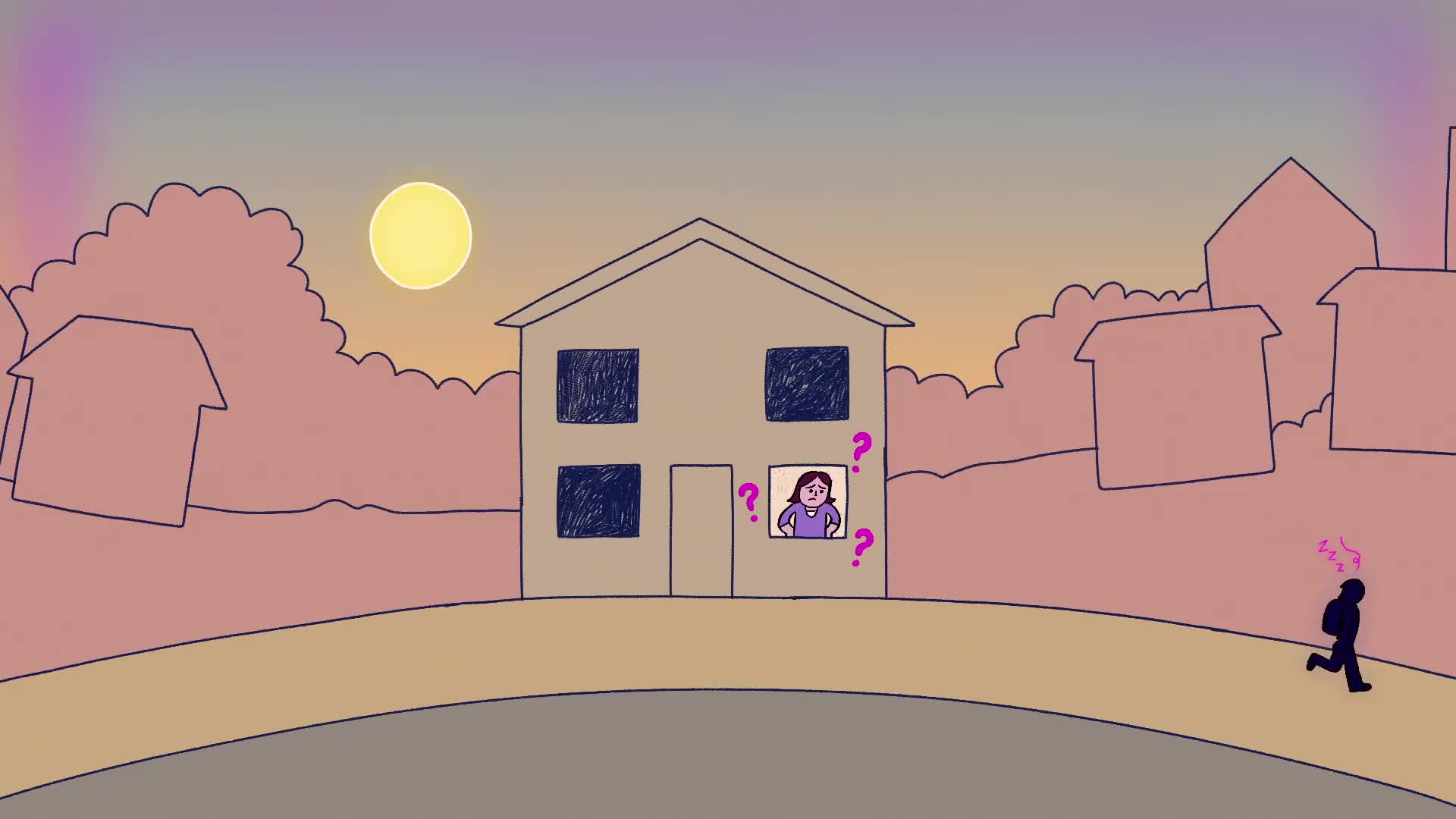
The fundamental issue lies in the "biological clock" of teenagers. During puberty, adolescents experience a significant shift in the release of melatonin, the hormone that signals sleep. Their bodies do not begin this release until around 11 p.m., two hours later than in adults or younger children. Consequently, forcing a teenager to wake up at 6 a.m. for school is the "biological equivalent of waking an adult up at 4 a.m."
By ignoring this shift, schools are forcing students into an "unwinnable fight against their own bodies." This leads to a state where many teens are "tired but wired," relying on excessive caffeine consumption—such as energy drinks—to function throughout the day. The researcher notes that the common stereotypes of teenage "moodiness, irritability, laziness, [and] depression" are often not mere character traits, but symptoms of "chronic sleep deprivation."
The High Cost of Sleep Loss
The consequences of this deprivation extend far beyond simple fatigue. The adolescent brain is undergoing critical development, particularly in regions responsible for "higher order thinking processes, including reasoning, problem solving and good judgment." When sleep is sacrificed, these functions suffer, leading to decreased concentration, plummeting attention, and even behaviors that "mimic ADHD."
Furthermore, the mental health implications are dire. Data from the LA Unified School District shows that sleep-deprived teens are 55% more likely to use alcohol. Even more alarming, studies involving 30,000 high school students indicate that every hour of lost sleep correlates with a "38% increase in feeling sad or hopeless" and a "58% increase in teen suicide attempts." Physical health is also compromised, with increased risks for obesity, heart disease, and diabetes, not to mention the lethal danger of "putting a sleep-deprived teen behind the wheel," which is statistically equivalent to driving while intoxicated.
The Case for Change: Benefits of Later Start Times
Major medical organizations advocate for middle and high schools to start no earlier than 8:30 a.m. The evidence supporting this shift is "unequivocal." Districts that have implemented later start times report:
- Improved Attendance: School absences dropped by 25% in one district, and dropout rates decreased.
- Academic Gains: Standardized test scores in math and reading increased by two to three percentage points—a gain comparable to reducing class sizes by one-third.
- Public Safety: Communities became safer, with one district reporting a "70% reduction" in car crash rates among teens.
Overcoming Logistical Hurdles
Despite these overwhelming benefits, the transition is often met with resistance due to "logistical challenges" such as bus route adjustments, transportation costs, and impacts on extracurricular sports. However, the researcher argues that these are not "valid excuses" for failing to prioritize student well-being. The experiences of districts that have successfully made the change suggest that these fears are "often unfounded" and are vastly outweighed by the improvements in student health, academic performance, and collective safety. Ultimately, delaying school start times is a necessary step in honoring the biological needs of the developing adolescent brain.
Deep Learning with ListenLeap


