
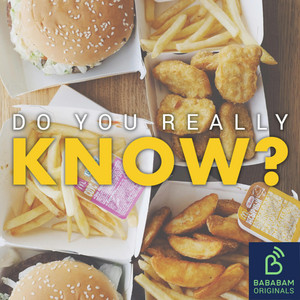
[The Neurological Impact of Junk Food: How Diet Shapes Brain Health]-[What does eating junk food do to our brains?]
📋 Summary
The Neurological Impact of Junk Food: How Diet Shapes Brain Health
While the physical consequences of an unbalanced diet—such as weight gain, elevated blood pressure, and long-term conditions like diabetes or heart disease—are well-documented, emerging research highlights a more insidious effect: the impairment of brain function. Junk food, defined as "ultra-processed products" that are "overly sugary, salty or fatty," does more than just affect our waistlines; it fundamentally alters our cognitive landscape.
The Mechanism of Cognitive Impairment
Scientists are increasingly focused on how these dietary choices impact the brain. A primary area of concern is the "hippocampus," a region critical for both "memory function and appetite control." Research suggests that a diet high in unhealthy fats can physically alter this region, leading to a decline in cognitive performance. Furthermore, studies published in the Metabolic Brain Disease journal indicate that such diets can generate "anxiety or even depressive states."
Beyond mood disorders, the consequences extend to the central nervous system. Conditions like obesity and type 2 diabetes exacerbate these neurological issues. Perhaps most alarmingly, there is a suggested link to "Alzheimer's disease," potentially driven by "increased levels of tau proteins." These proteins, which play a vital role in "neuron structure," become problematic when their levels are dysregulated, suggesting that the long-term consumption of processed foods could be a catalyst for neurodegenerative decline.
The Protective Power of Nutrition
Conversely, a nutrient-dense diet acts as a safeguard for brain health. The brain relies heavily on specific compounds, such as "omega 3" fatty acids, which are essential for the "release of neurotransmitters such as dopamine, serotonin and norepinephrine." A deficiency in these fatty acids significantly hinders cognitive function. To maintain optimal levels, one must consume sources like "salmon, herring, mackerel or sardines," or plant-based alternatives like "canola or walnut oil."
Additionally, the regulation of our "happiness hormone," serotonin, is directly tied to the intake of "tryptophan and tyrosine." By incorporating foods like "bananas, avocados and cabbage," individuals can support their mental well-being. Furthermore, the "antioxidant effect" of fruits and vegetables serves as a countermeasure to the "inflammation caused by junk food," while "fermented drinks and foods" are instrumental in reducing stress and improving sleep quality.
Strategies for Sustainable Change
Breaking free from the "addictive qualities of junk food" is a significant challenge, but it is not impossible. The key lies in "balance" and "portion control" rather than total deprivation. Occasional consumption of a "hamburger or a ready meal" is manageable if one employs strategies to curb overindulgence.
To successfully transition to healthier habits, one should focus on:
- Proactive Planning: "Planning your meals ahead" and "stocking up on healthy foods" to avoid impulsive decisions.
- Mindful Consumption: "Eating mindfully" and "staying hydrated" to better understand hunger cues.
- Social Support: "Building a support system" by involving friends or family to maintain accountability.
Ultimately, understanding the true impact of our dietary choices is the first step toward protecting our cognitive longevity. By moving away from ultra-processed products and prioritizing brain-boosting nutrients, we can improve not only our physical health but our mental clarity and emotional stability.
Deep Learning with ListenLeap


