
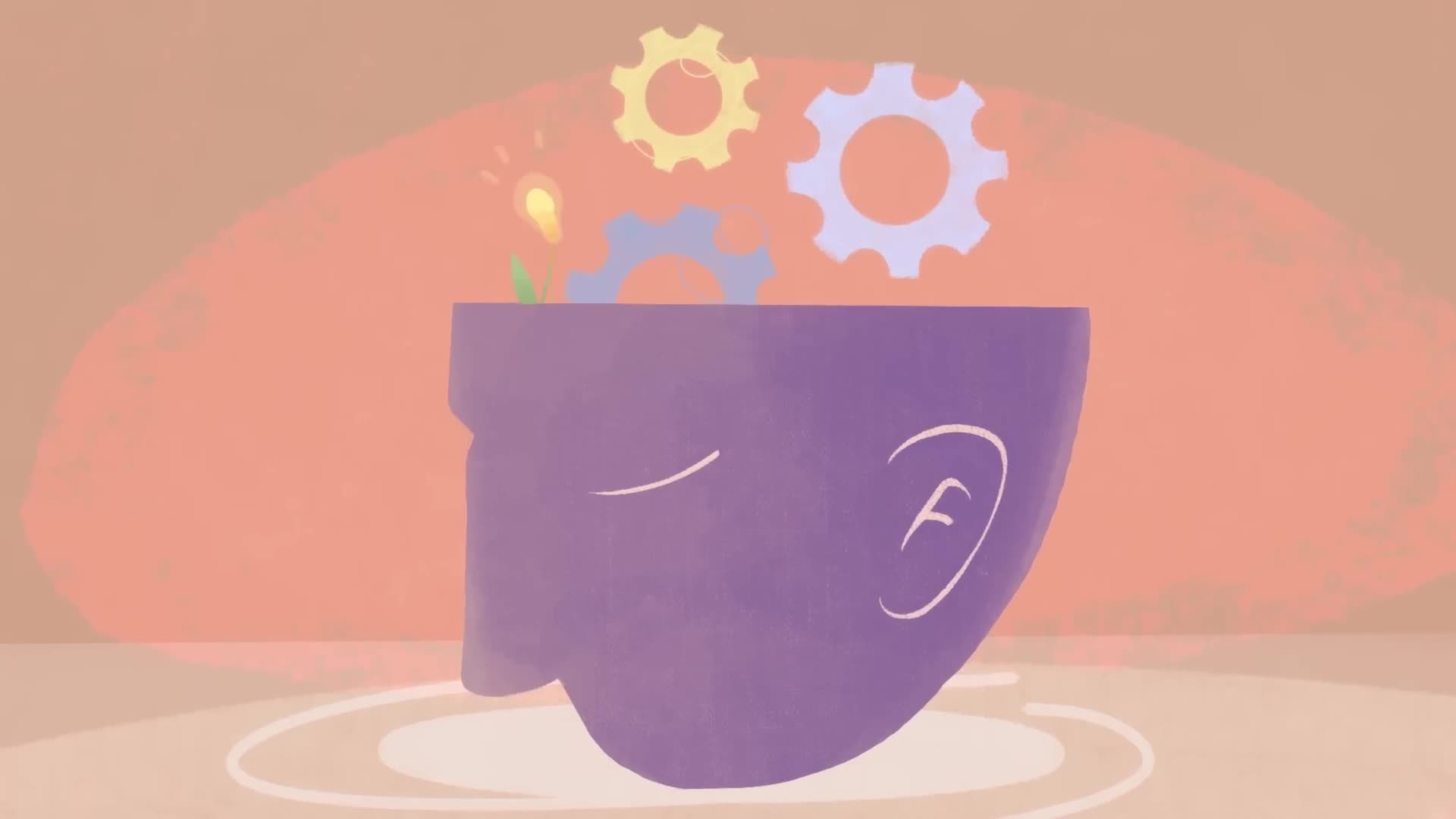
[The Mirror of Childhood: Unraveling the Origins of Self-Perception]-[What Self-Esteem Is]
📋 Summary
The Mirror of Childhood: Unraveling the Origins of Self-Perception
The Illusion of Inherent Self-Perception
Human beings often fall into the trap of believing that our self-perception is an objective, "ingrained" truth. We tend to view our identity as something that has simply existed "as long as we can remember," assuming it is a natural state rather than a construct of our environment. Because we view our self-concept as "who we are" rather than something "created by partial circumstantial forces," we rarely question its validity. However, the podcast suggests that this lack of inquiry is a mistake, as our self-perception is frequently neither true nor beyond scrutiny.
The Fundamental Law of Psychological Internalization
At the core of our psychological functioning lies a profound principle: the way we feel about ourselves is an "internalisation of how other people felt about us during our formative years." In this sense, our self-esteem acts as a "mirror of the esteem in which we were held by those around us." Our expectations for ourselves and our future are not autonomous creations; they are reflections of what others expected from us in childhood. While this concept is simple to understand intellectually, it is "enormously hard" to internalize and apply to our own lived experiences, largely because the past tends to leave few "active traces" in our conscious memory.
Positive and Negative Manifestations
To understand this principle, we must examine how our current thoughts mirror our past. Positive self-beliefs—such as "I am a valuable, lovely person" or the belief that "things are going to be okay"—are direct echoes of being treated with love and care. Conversely, the "exploration of the negative side" provides the most critical insights into our struggles:
- The feeling of inadequacy: Feeling "not good enough" is a direct indicator that, in our formative years, "other people once didn't find me good enough."
- Fear of error: The terror of having "done something wrong" often stems from being "constantly accused" of wrongdoing by caregivers.
- Perceived incompetence: The belief that "I can't do anything" or "I'm an idiot" mirrors past environments where others deemed us "hopeless" or "stupid."
- Invisibility: A pervasive sense of being "invisible" is the result of a past where one "once wasn't seen."
The Self-Fulfilling Loop of Suffering
These feelings are not merely "passive elements"; they are active forces that determine our future. The podcast warns that these internalized beliefs create a loop of suffering: "The person who feels a failure is going to end up failing," and the one who feels "boring will end up boring others." We do not just suffer from the initial trauma; we become trapped in a cycle where our past self-perception dictates our future actions. This cycle persists because we treat our self-esteem as a "given" rather than an outgrowth of historical experiences that can be questioned.
Breaking the Cycle: Reclaiming Self-Worth
The path to liberation involves a conscious effort to "work against the forces of forgetting." By stopping the habit of accepting our self-esteem as an absolute truth, we can begin to investigate its origins. Once we recognize that our internal critic is merely a reflection of people who were "too unwell and in pain to see us properly," we gain the power to reassess our value. We are no longer required to judge ourselves through the distorted lens of our past; instead, we can choose to view our potential through more just and objective means, effectively breaking the legacy of a childhood that no longer needs to define our future.
Deep Learning with ListenLeap


