
[Understanding Down Syndrome: Genetics, Differences, and Friendship]-[What is Down syndrome?]
📋 Summary
Exploring the Science and Humanity of Down Syndrome
The Essence of Friendship and Diversity
At the heart of the Brains On episode is the touching friendship between three boys: Peter, Max, and Noah. Residing in New Haven, Vermont, these friends share typical childhood interests like reading and playing ball. Their bond highlights a fundamental truth about human connection: "If we were exactly the same as our friends, that would be kind of boring."
While they share a mutual love for pizza, they also possess distinct individual preferences—Noah enjoys asparagus while Max does not, and they differ on their affinity for chicken. These variations, as the episode suggests, are what make life interesting. They argue that "differences offer surprises and let us learn about things we might never even know existed."
Biological Foundations: Chromosomes and DNA
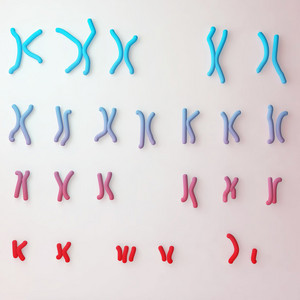
Beyond personal preferences, the podcast delves into the biological roots of human diversity. The hosts explain that traits like hair or eye color are "biological" and originate from our "cells and our chromosomes." To understand Down syndrome, one must first understand the architecture of our bodies:
- The Blueprint: Chromosomes are described as parts of our cells that "hold the blueprints, the DNA that makes you, you."
- The Standard Count: Most individuals, like Max, possess 46 chromosomes in their cells.
- The Variation: Peter and Noah, who have Down syndrome, have cells containing 47 chromosomes.
This specific biological variance—having "an extra chromosome"—is the defining physical characteristic of Down syndrome.
Perspectives on Down Syndrome
One of the most compelling aspects of the episode is how the children perceive this biological difference. For Peter, having Down syndrome is simply "another thing that makes him, him." His perspective is refreshingly straightforward and self-accepting. He even expresses a positive outlook, stating, "I think it's cool."
For Max, the presence of an extra chromosome in his friends sparked a sense of scientific wonder rather than confusion. When Noah joined his school, Max became deeply curious about the underlying cause of this difference, leading him to ask the essential question: "What causes Down syndrome?" This inquiry serves as the catalyst for the episode's educational journey, demonstrating that curiosity is the bridge between understanding and empathy.
Conclusion: Curiosity as a Tool for Inclusion
The podcast emphasizes that while genetic differences like Down syndrome are a biological reality, they are also a part of the human tapestry that invites us to ask questions. By framing the discussion around the friendship of Peter, Max, and Noah, the episode successfully demystifies a complex genetic condition. It encourages listeners to be "serious about being curious," suggesting that by investigating the "blueprints" of our biology, we can better appreciate the unique individuals around us.
Deep Learning with ListenLeap


