
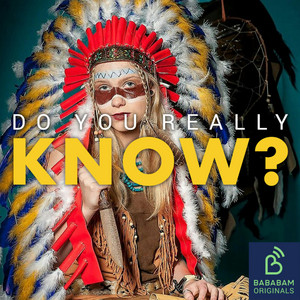
[Unpacking Cultural Appropriation: Definition, Controversy, and the Path to Respectful Exchange]-[What is cultural appropriation?]
📋 Summary
Understanding Cultural Appropriation: A Critical Analysis
Cultural appropriation has become a recurring flashpoint in contemporary pop culture, sparking intense debates about creativity, ownership, and power dynamics. The term, while often debated, generally refers to the phenomenon where individuals from a dominant community adopt elements from oppressed or non-Western minority cultures for their own artistic or commercial gain.
Defining the Controversy
At its core, cultural appropriation is problematic because it involves a power imbalance. As the podcast notes, it is particularly sensitive when a member of a dominant group utilizes cultural elements from a marginalized community without genuine understanding or consent. The concept gained academic traction following art historian Kenneth Coot-Smith’s 1976 essay, which explored the intersection of "class appropriation" and "cultural colonialism." These early intellectual foundations help explain why the term has evolved to carry such strong "negative connotations" today.
The Power Imbalance in Pop Culture
High-profile instances—such as Adele wearing Bantu knots or Madonna donning traditional Berber outfits—are frequently cited as examples where the original cultural significance is stripped away. The critique is not merely about the act of borrowing, but about the lack of agency afforded to the minority culture. In these scenarios, the minority culture "doesn't have the choice of accepting or refusing" the usage of their heritage. Furthermore, these appropriations often occur in a vacuum where the original meaning is ignored, or worse, where the usage "reinforces stereotypes" that have historically harmed those very communities.
Fashion and the Music Industry: A One-Way Street
The fashion industry has recently faced significant backlash for similar reasons. The podcast highlights the irony where "white models" are celebrated for sporting "dreadlocks" or "African wax prints" on runways, while black models simultaneously struggle to find work or remain "underpaid." This systemic disparity illustrates that cultural appropriation is rarely a "true exchange"; instead, it functions as a "one-way street."
Historical precedents, such as the emergence of rock and roll in the 1950s, further underscore this point. The industry systematically marginalized black musicians while promoting white artists, with Elvis Presley serving as the most prominent example of this commercialized appropriation. This history casts a long shadow, placing a heavy burden on modern-day figures to navigate cultural boundaries with more sensitivity.
Moving Toward Positive Cultural Appropriation
Is there a way to engage with other cultures without falling into the trap of exploitation? The podcast suggests that the solution lies in "positive cultural appropriation." Rather than engaging in a "cringe-worthy imitation," creators are encouraged to:
- Collaborate: Partner directly with artists from the culture in question to ensure the representation is authentic and respectful.
- Foster True Exchange: Shift the focus from taking to sharing, where the goal is to "diversify one's understanding" rather than merely seeking aesthetic or commercial benefit.
- Respect Original Meaning: Ensure that cultural elements are treated with the dignity and context they deserve.
Ultimately, the goal is to move away from the extractive nature of cultural colonialism and toward a landscape where cross-cultural inspiration is grounded in mutual respect and equitable partnership. By recognizing the historical weight behind these symbols, artists and creators can move toward a more creative and ethical way of sharing ideas.
Deep Learning with ListenLeap


