
[Understanding Obstructive Sleep Apnea: Mechanisms, Risks, and Treatments]-[What are the signs you might have sleep apnea?]
📋 Summary
Understanding Obstructive Sleep Apnea: A Comprehensive Overview
Sleep apnea is a prevalent health concern that often goes unnoticed by those who suffer from it. While many associate sleep-related issues with simple exhaustion, obstructive sleep apnea is a specific "mechanical disorder" that can have profound implications for long-term health. This summary explores the mechanics of the condition, its warning signs, diagnostic procedures, and available treatment options.
The Mechanics of Obstructive Sleep Apnea
According to research published in the Journal of Thoracic Disease in 2015, approximately 10% of the population is affected by obstructive sleep apnea. The condition is characterized by the physical collapse of "soft tissue at the back of the throat," which creates a blockage in the airway.
During normal sleep, muscles relax, but in patients with apnea, this relaxation leads to repeated breathing interruptions. These pauses typically last between "10 and 30 seconds." Because the brain possesses a "survival instinct," it detects these drops in oxygen and forces the sleeper to wake up—often with a "gasping and snorting" sound—to resume breathing. These micro-awakenings are so brief that the individual rarely remembers them, yet they effectively prevent the body from reaching the "deep, restful phases of sleep" required for proper recovery.
Health Consequences of Untreated Apnea
Ignoring sleep apnea can lead to severe physiological strain. The frequent "startling awake" cycles trigger spikes in "heart rate and blood pressure." Over time, this chronic stress on the cardiovascular system can lead to:
- High blood pressure
- Cardiovascular diseases (including heart failure or arrhythmia)
- Increased risk of stroke
- Daytime fatigue and irritability
Recognizing the Warning Signs
Because patients are often unaware of their own breathing pauses, the condition is frequently identified by partners or family members. Key indicators include "heavy snoring" or audible gasping. For those living alone, a primary red flag is waking up feeling exhausted despite spending a full night in bed. Furthermore, experiencing "panic attacks in the middle of the night" can be a sign that the brain is responding to a dangerous lack of oxygen.
Diagnostic Procedures
If sleep apnea is suspected, professional medical consultation is essential. Doctors utilize specialized tests to quantify the severity of the condition, often measured by the Apnea Hypopnea Index (AHI):
- Mild: 5 to 15 pauses per hour.
- Moderate: 15 to 30 pauses per hour.
- Severe: Over 30 pauses per hour.
The gold standard for diagnosis is "nocturnal polysomnography," a study conducted during an overnight stay at a clinic where "electrodes on the patient's face" monitor sleep and breathing patterns. While simplified home tests exist, clinical studies remain the most reliable method for an accurate diagnosis.
Treatment Pathways
Treatment is tailored to the severity of the diagnosis.
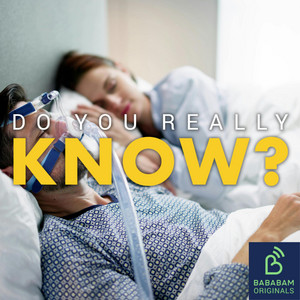
- CPAP Therapy: For severe cases, doctors may prescribe a "CPAP machine" (Continuous Positive Airway Pressure). This device pumps air into a mask worn over the nose or mouth to prevent the airways from narrowing. While it requires the mask to be worn for at least "five hours per night" and can be "a little uncomfortable," it is highly effective at managing the condition.
- Oral Appliances: Similar to a "gum shield," these devices can help keep the airway open.
- Surgical Intervention: Procedures like "maxillomandibular advancement"—which involves moving the jaw bones forward to clear the throat—are considered a "last resort" when non-invasive treatments fail to provide relief.
While these treatments significantly manage the condition, it is important to remember that they are not necessarily permanent "cures." Ongoing management is key to maintaining sleep health and preventing long-term cardiovascular damage.
Deep Learning with ListenLeap


