
[Beyond Water: The Ultimate Guide to Hydrating Foods]-[What are the most hydrating foods?]
📋 Summary
The Science of Hydration: Beyond Drinking Water
Staying hydrated is essential for maintaining physical fitness and overall health, yet many people struggle to reach the standard recommendation of consuming one and a half to two litres of water daily. A critical insight provided is that one should not wait until the sensation of thirst sets in, as "thirst signals that your body has already lost about half a litre of water." Fortunately, hydration is not solely dependent on drinking plain water; your dietary choices play a significant role in maintaining fluid balance.
Top Hydration Powerhouses
Several foods are exceptionally high in water content, making them excellent tools for daily hydration:
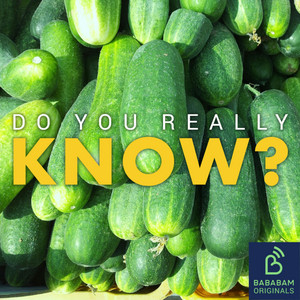
- Cucumbers: These are at the top of the list, consisting of "96% water." Beyond their hydration benefits, they are noted for being low in calories and "gentle on the intestines," making them an easy addition to salads or dishes like tzatziki.
- Watermelon: As a "hydration hero" containing "91% water," watermelon is particularly beneficial post-exercise. It serves a dual purpose: rehydrating the body and helping to "flush out lactic acid from your muscles," which is instrumental in reducing cramps.
Seasonal Hydration: Winter Options
Hydration remains important throughout the year, even in colder months. Vegetables like "aubergines and courgettes" are excellent seasonal choices. Both contain "95% water" and are rich in pectin. This specific fiber is vital because it "helps lower the glycemic index," thereby assisting in the regulation of blood sugar levels.
The Role of Dairy and Nutrient Density
Dairy products are often overlooked as hydration sources. Yoghurts, which are approximately "90% water," provide a dual benefit: they help maintain fluid levels while delivering essential nutrients such as "calcium, iodine and vitamin B12." Similarly, a simple glass of milk is described as an effective way to "recharge your batteries."
Culinary Techniques for Moisture Retention
How you prepare your food is just as important as the food itself. To maximize the water content in your meals, you should be mindful of your cooking method. The advice is to "avoid grilling which can cause vegetables to lose moisture." Instead, it is recommended to "opt for steaming or cooking in foil," particularly when preparing fish, which is naturally rich in water.
What to Avoid: The Dehydration Culprits
While some foods help you hydrate, certain beverages can have the opposite effect. It is important to be cautious of "sugary soft drinks," which can "prevent your body from storing water properly." Furthermore, substances like "coffee, tea and alcohol are also highly diuretic," meaning they actively promote fluid loss and can lead to dehydration. By incorporating these hydrating foods and avoiding diuretic drinks, you can maintain optimal hydration levels more effectively.

Deep Learning with ListenLeap


