
[Understanding the Global Crisis of Climate Refugees]-[What are climate refugees?]
📋 Summary
The Growing Crisis of Climate Refugees: A Comprehensive Overview
Defining Climate Refugees and the Drivers of Migration
Climate change has transcended environmental debate to become a primary catalyst for global human migration. As defined in the podcast, "climate refugees" or "climate migrants" are individuals "forced away from their homes due to sudden or gradual alterations in their natural environment." These alterations include catastrophic phenomena such as "sea level rise," "extreme weather events," "drought," and "water scarcity." The data is alarming: according to the European Commission on Migration, an average of 30 million people are displaced annually due to "environmental degradation."
Case Study: The Scourge of Somaliland
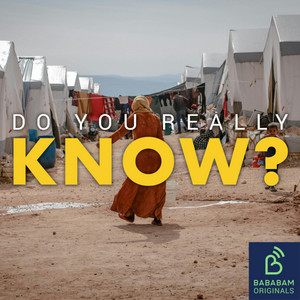
The Horn of Africa, specifically the self-declared country of Somaliland, serves as a harrowing example of this crisis. The region is currently "scourged by water scarcity and famine," exacerbated by a "locust plague" that destroys local resources, leaving residents with no choice but to abandon their "native lands." Organizations like CAIR have stepped in to provide support, establishing a camp in 2017 that acts as a "safe haven for more than 1,500 people." Despite these efforts, CAIR acknowledges that its impact is "insufficient alone," serving merely as "temporary support" for the most vulnerable populations, including "country dwellers, women, and children."
A Global Phenomenon: Beyond Regional Borders
Climate migration is not isolated to a single geography; it is a "global phenomenon" affecting diverse nations including "Venezuela, Afghanistan, Bangladesh and Mozambique." The mechanisms behind this displacement are systemic: "ice caps are receding," "seasonal rainfall is becoming unpredictable," and "extreme weather events are increasingly frequent and intense." The podcast underscores that "climate change is real and human activity is the main cause," noting that the last six years have been the "hottest on record" due to the acceleration of "greenhouse gas emissions."
The Distinction Between IDPs and International Migrants
Not all displaced individuals cross international borders. Many remain within their own countries, living in areas "highly exposed to weather hazards such as floods and storms." These individuals are categorized as "Internally Displaced People" or "IDPs." Conversely, a smaller proportion of the population seeks safety in other nations, necessitating "international protection." This distinction highlights the complexity of the humanitarian response required to address the "sustainable habitability" of our planet.
Future Projections and the Call for Urgent Action
While climate migration is often discussed as a distant future risk, the podcast emphasizes that it is "already a reality." The projections are dire: without an "ambitious climate action plan" and a robust "disaster risk management strategy," the number of people requiring humanitarian aid could reach as many as "200 million people per year by 2050." The urgency of this situation demands immediate global focus to mitigate the humanitarian consequences of an increasingly unstable climate.
Deep Learning with ListenLeap


