
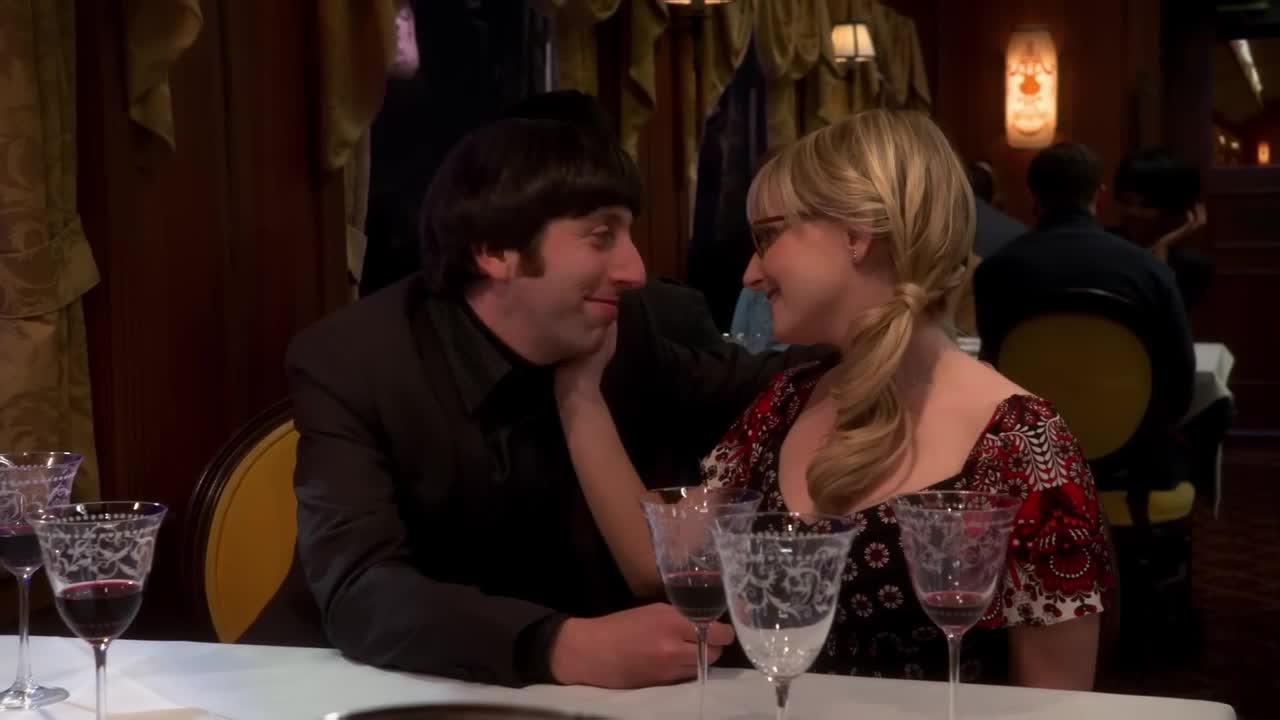
[Navigating Romance and Curiosity: A Journey Through Shared Experiences]-[Valentine’s Day Surprise: Sheldon Kisses Amy on a Train | The Big Bang Theory]
📋 Summary
Navigating Romance and Curiosity: A Journey Through Shared Experiences
The Tension of Expectations
The narrative begins with a palpable sense of interpersonal friction during a Valentine’s Day train trip. The characters find themselves caught in a struggle between the idealization of a "romantic weekend" and the reality of their differing interests. One character expresses deep frustration, noting, "You've been rude to me this entire evening," highlighting a disconnect in how the couple perceives their shared time. The dialogue reveals that the trip was initially marketed as something they could "both enjoy," yet the reality has devolved into a series of misunderstandings and a feeling of being a "third rail" in their own relationship.
The Performance of Romance
In an attempt to salvage the evening, the couple engages in a somewhat ironic and performative display of affection. The dialogue captures this awkward transition: "Well, if you want romance, then let's have romance." This leads to a series of forced interactions, including mock-serious activities like gazing into eyes until someone "blinked" and a brief, mechanical kiss. The critique here is sharp; the characters recognize that their attempts at spontaneity are often just a way to "trick" each other into a desired outcome rather than organic connection. The mention of "grape juice that burns" serves as a metaphor for the harsh, unrefined nature of their forced romantic gestures.
Embracing Individual Passions
The dynamic shifts significantly when the focus moves from forced romance to genuine personal interests. One character finds solace in the train itself, noting, "The conductor said if I come back to the engine room he'd show me how to bring the train through a crossing." This pursuit of a personal passion—learning about train operations—actually bridges the gap between the couple. By inviting their partner to join this experience, they move away from the pressure of the holiday and toward a shared sense of discovery. This shift suggests that true intimacy is not found in the performance of Valentine’s Day traditions, but in the shared curiosity of the individuals involved.
The Complexity of Data and Experience
The conclusion of the narrative highlights the analytical nature of the protagonist when reflecting on their experiences. When asked to pick a favorite moment—choosing between making a new friend named Eric, kissing Amy, or hearing a "nine fingered" banjo player—the protagonist remains characteristically detached. They state, "It never occurred to me to pick a favorite" and insist that they cannot answer "without collecting additional data."
This analytical approach serves as a humorous contrast to the emotional weight usually placed on such experiences. The protagonist’s appreciation for the conductor’s "can-do attitude," despite his physical limitation, mirrors their own pragmatic approach to life. Ultimately, the story suggests that life’s experiences—whether they are romantic kisses that taste like "brownie" or technical lessons in an engine room—are all valid data points. The interaction ends on a note of playful banter, leaving the listener to ponder whether the pursuit of "additional data" is a quirky personality trait or a deliberate shield against the complexities of human emotion.
Deep Learning with ListenLeap


