
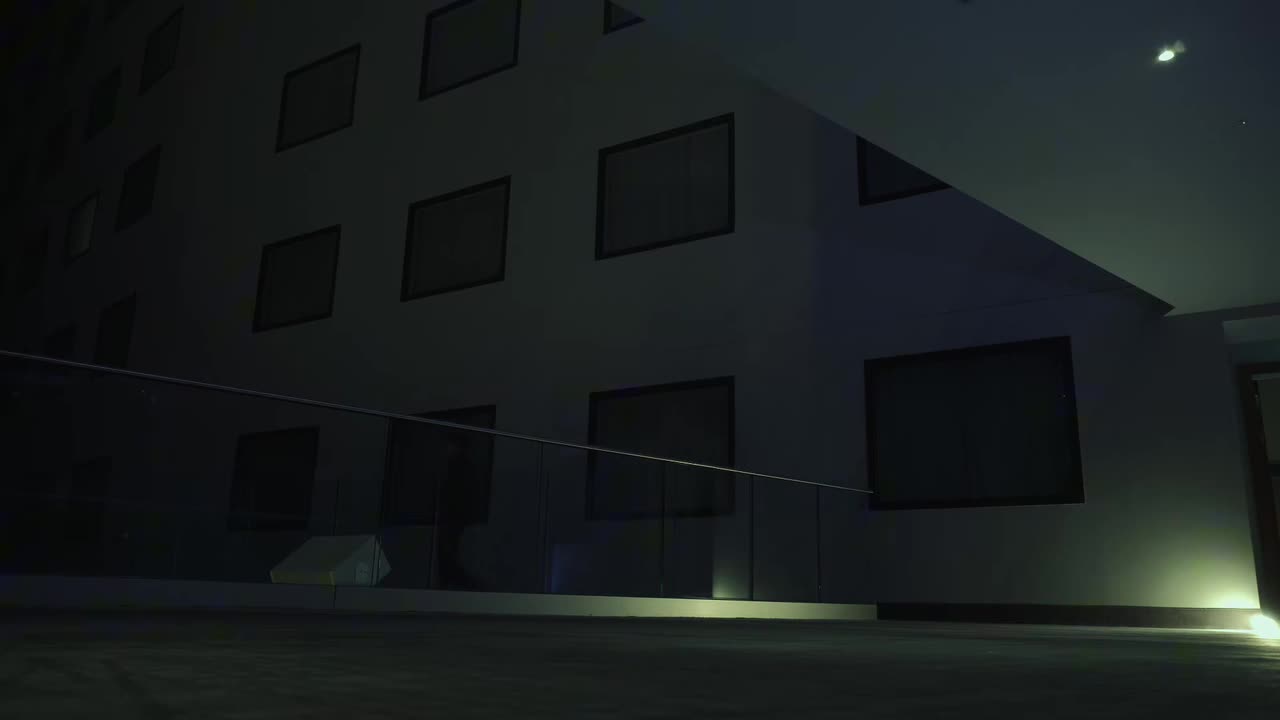
[The Intangible Essence of Liminality: Identity, Obsession, and the Pursuit of Depth]-[Understanding who you are through "liminality."]
📋 Summary
The Intangible Essence of Liminality: Identity, Obsession, and the Pursuit of Depth
Defining the Indefinable
Liminality, as explored in this narrative, defies concise linguistic definition. The speaker suggests that attempting to define liminality is akin to trying to define one's own identity—it is an exercise in futility because the deepest human truths are "felt, not said." Much like the experience of another person, which involves scent, presence, and vibration rather than a clinical description, liminality possesses an "intangible nature" that functions as a specific "aroma" or essence. This realization marks a shift in how the speaker perceives themselves: moving away from the rigid societal criteria of "name, age, and occupation" toward an understanding of one's "true nature" as a frequency or feeling.
Liminal Spaces as Mirrors of the Self
The speaker’s journey to London to experience a real-life liminal space highlights the transition from digital observation to physical immersion. Initially fearing that the reality would be "boring" or fail to live up to the "alternate reality" envisioned through a screen, the speaker finds instead an "internal stillness and alignment." In these spaces, one is forced to "put yourself into alignment with your environment." Because the energy of these places is "calm, grounded, and safe," the individual who enters them effectively adopts those same characteristics. This alignment serves as a profound tool for self-reflection and rejuvenation, proving that liminality is not merely a visual aesthetic but a transformative internal experience.
The Power of Obsession
Beyond the specific study of liminal spaces, the speaker advocates for the necessity of "obsession." Whether it is Nikola Tesla’s fixation on "energy, frequency, and vibration" or a creator's passion for filmmaking, having an obsession is the catalyst for discovering depth in one's life. The speaker argues that to craft a life that is a "story worth retelling"—one containing the full spectrum of "laughter, sadness, lost and being found, romance and heartbreak"—one must be willing to "put everything on the line."
This willingness to commit to something outside of oneself does not necessarily remove the "weight that you must bear along that journey," but it provides a meaningful purpose for bearing it. The success or failure of the endeavor is secondary to the act of total commitment.
The Future of Liminality
Concluding with a forward-looking perspective, the speaker expresses an intent to "continue to push the envelope" regarding liminality. Moving beyond the constraints of "internet aesthetic or a niche fandom," the goal is to integrate these concepts into mentorship and personal development. The ultimate aspiration is to reach a point where liminality no longer requires explanation or translation into words. Instead, the speaker hopes to be a facilitator, helping others experience the "deeply impactful" nature of these spaces for themselves. By focusing on the felt experience rather than the verbal definition, the speaker reinforces the idea that the most significant aspects of our internal worlds are those that resonate within us as pure vibration and presence.
Deep Learning with ListenLeap


