
[Uluru: The Sacred Heart of the Anangu People]-[Uluru - A Special Rock]
📋 Summary
The Spiritual and Cultural Significance of Uluru
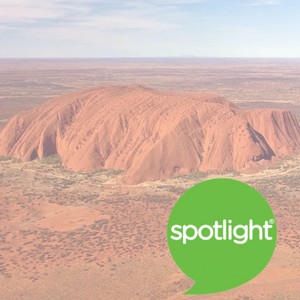
Uluru, a massive sandstone rock rising 348 meters above the flat Australian desert, is far more than a geological wonder. For the Anangu people, who have inhabited the region for approximately 65,000 years, this site is deeply woven into their identity. In their traditional stories, the earth was shaped by "ancestors"—spirits in the form of animals, plants, and people—who traveled across the land, creating mountains and seas. To the Anangu, the land is not merely an object; they refer to it as "My Grandmother or My Grandfather," reflecting a profound, living relationship with the earth. Uluru is considered "sacred or holy," serving as a physical manifestation of their creation beliefs.
The Conflict of Perspectives: Ayers Rock vs. Uluru
When European settlers arrived in the 1600s, they lacked understanding of the Anangu religion and culture. They renamed the site "Ayers Rock" and began treating it primarily as a tourist attraction. By 1936, the site became a destination for visitors who viewed climbing the rock as a central part of their experience. This created a clash between Western tourism and Indigenous law. For the Anangu, the act of climbing was not only a violation of their "own law" but also a physical desecration of the site. Anangu leader Pamela Taylor poignantly described the impact of tourism, stating, "Tourists are like insects, like ants... Their shoes are scraping away at the rock little by little." This mechanical erosion turned a spiritual landmark into a path of destruction.
The Struggle for Land Rights and Stewardship
For decades, the Anangu campaigned to protect their sacred site. In 1985, they successfully reclaimed ownership of the land, though they entered into a management agreement with the Australian government. This transition sparked a contentious debate regarding the economic benefits of tourism versus the preservation of cultural integrity. Proponents of continued climbing, such as reporter Maria Bilais, argued that "creating jobs for the Anangu can only be positive" and that the site could generate significant revenue. However, the Anangu maintained that their culture should not be commodified or destroyed for financial gain.
A Shift in Cultural Understanding
Rather than relying on the climb to attract visitors, the Anangu proposed a new model of tourism based on education and respect. Sammy Wilson, board chairman of the Uluru-Katajuta National Park, emphasized that "visitors do not need to worry that there will be nothing for them with the climb closed." He noted that the Anangu have "so much else in the culture here" to share, offering a richer experience than simply hiking to the summit.
By prioritizing storytelling and cultural exchange, the Anangu were able to shift public opinion. Tourists began to "respect the Anangu" and voluntarily refrain from climbing. This shift in consciousness paved the way for a historic decision: in 2017, the National Park authorities agreed to ban climbing permanently, a mandate that took effect in 2019. This victory marks a significant milestone in recognizing Indigenous rights and acknowledges that some places hold a sanctity that transcends the commercial desires of the public. Ultimately, the story of Uluru serves as a powerful reminder of the importance of respecting the history and beliefs tied to the land.

Deep Learning with ListenLeap


