
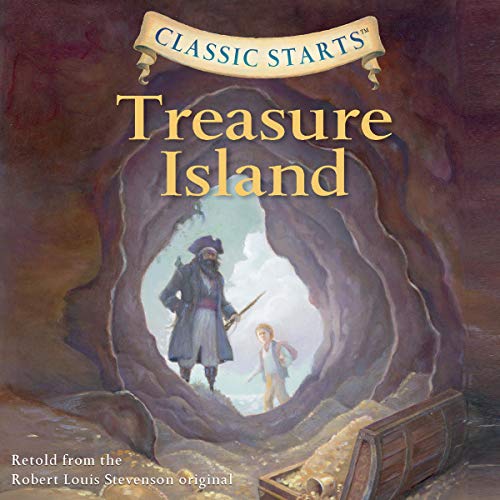
[The Strategic Retreat to the Stockade: A Critical Turning Point on the Hispaniola]-[Treasure Island - Part 14]
📋 Summary
The Strategic Retreat to the Stockade: A Critical Turning Point
The Discovery of the Stockade and Initial Panic
As the tension on the Hispaniola escalated, the doctor, the captain, and the squire realized that their position on the ship was becoming untenable. Upon discovering that Jim Hawkins had gone ashore, their “hearts sank,” fearing for his safety. Driven by this anxiety, the doctor and Hunter set out to explore the island, where they stumbled upon a “sturdy, well-protected” stockade, complete with a “freshwater spring and a high fence.” This location appeared to be the perfect defensive stronghold. However, the discovery was interrupted by the “cry of a man dying,” which led the group to fear the worst for Jim, heightening the urgency of their tactical withdrawal from the vessel.
The Tactical Maneuver and the Defection of Abraham Gray
Realizing they could no longer trust the mutinous crew, the captain orchestrated a daring evacuation. While the “six mutineers” skulked on deck, the captain kept them at bay with his pistol, warning Mr. Hands that he would “shoot the first man that moves.” This allowed the loyalists to ferry critical supplies—including “powder, guns, biscuits, kegs of pork and my medicine chest”—to the shore.
Before abandoning the ship, the captain made a final, decisive appeal to the crew. He specifically addressed Abraham Gray, demanding he follow his captain and offering him a chance to redeem himself. The captain’s gamble paid off; after a brief scuffle, Gray appeared with a “knife cut on his face” and defected to the loyalist side, effectively reducing the mutineers' strength and bolstering the captain's small force.
The Perilous Crossing and the Cannon Fire
The retreat was far from smooth. As the loyalists rowed toward the shore, they were heavily “loaded down with cargo” and hampered by a tide that was “against us.” The situation turned dire when they realized the mutineers were preparing the ship’s cannon. The doctor notes that Israel Hands, being “Flint’s gunner,” posed a lethal threat.
In a desperate counter-move, the squire attempted to neutralize the threat with his rifle. While he successfully forced Israel to duck and downed another pirate, the mutineers managed to fire the cannon. The sound was the “great blast” heard by Jim Hawkins. The impact was devastating: the boat shook from the “violence,” and the front portion was sent “underwater.”
The Aftermath: Crippled but Resolute
The consequences of the cannon fire were severe. Although the doctor and the squire managed to keep their “guns above water,” the rest of the men dropped into the surf, losing vital supplies and gunpowder in the process. The group reached the shore in a “crippled state,” haunted by the fear of being “cut off from our home stockade.” Despite the loss of half their provisions and the sinking of the “jolly boat,” the loyalists successfully transitioned from a vulnerable position on the ship to a fortified, albeit desperate, defensive stance on land, setting the stage for the next phase of the conflict.

Deep Learning with ListenLeap


