
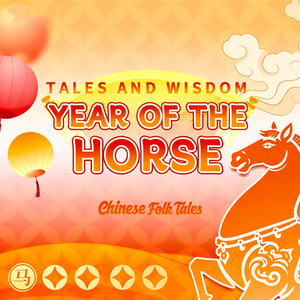
[Galloping Through History: Timeless Wisdom from the Year of the Horse]-[Trailer | Ancient Horse Tales for the Year of the Horse]
📋 Summary
Embracing the Spirit of the Horse: Lessons from Ancient Wisdom
As we transition into the Year of the Horse, we are invited on a "thrilling ride" that transcends mere cultural celebration, offering instead a deep dive into the "timeless wisdom" embedded within Chinese folklore. This exploration serves as a reminder that these historical narratives are "so much more than old folk tales"; they are sophisticated blueprints for navigating the complexities of our modern lives.
The Visionary: Bo Le and the Art of Discernment
The podcast opens with the poignant legend of "Bo Le discerns a noble steed." In this story, the character Bo Le, renowned for his ability to identify greatness, encounters a horse that moves him to his core. The narrative describes how he "jumped off his cart and overwhelmed with emotions, he rapped at the saddle and cried." This moment is not merely about a man finding an animal; it is a profound metaphor for the power of vision. In an uncertain world, the ability to recognize potential where others see only the mundane is a critical skill. Bo Le’s emotional reaction underscores that true leadership and wisdom require a deep, intuitive connection to one's environment and the talent hidden within it.
The Strategist: Tian Ji’s Horse Racing
Moving from vision to tactical execution, the podcast highlights the famous story of "Tian Ji's horse racing." The scenario presented is one of impending defeat: "TNG would lose every single race" and it felt like "game over." However, the narrative shifts when strategy is introduced to replace brute force. By changing the approach—to "race straight up" with a refined sequence—the outcome is transformed. This story serves as an essential lesson in resilience and strategy. It teaches us that when faced with insurmountable odds, success is rarely found in repeating the same failed patterns; rather, it is found in re-evaluating our positioning and changing the rules of engagement to tilt the odds in our favor.
The Resilient: The Journey of the White Dragon Horse
Finally, the podcast reconnects us with the "famous silent white dragon horse" from the "epic classic Journey to the West." The story begins with a dramatic confrontation: "One day, a monk from the Tang Dynasty will arrive," leading to a moment of conflict where the protagonist exclaims, "How dare you eat my horse!" What follows is a "fierce battle" that ultimately leads to transformation and service. This segment highlights the theme of resilience. The white dragon horse represents the quiet, steadfast endurance required to complete a long and arduous journey. It reminds us that even when we are cast in roles of conflict or struggle, there is a path toward meaningful contribution and loyalty.
Conclusion: Galloping into the Future
These stories—Bo Le’s discernment, Tian Ji’s strategy, and the White Dragon Horse’s resilience—are not relics of the past. They provide a framework for "vision, resilience and strategy in an uncertain world." As we "settle up and gallop with us into the Year of the Horse," we are encouraged to apply these ancient principles to our contemporary challenges. By internalizing these lessons, we can navigate our own journeys with the same grace, tactical intelligence, and enduring spirit exemplified by the noble steed.
Deep Learning with ListenLeap


