
[Tracking the Giant Anteater: A Specialized Encounter in the Wild]-[Tracking the Elusive Giant Anteater in Guyana | BBC Earth]
📋 Summary
Tracking the Giant Anteater: A Specialized Encounter in the Wild
In this captivating expedition, Justine ventures into the remote wilderness, enlisting the expertise of a local cattle rancher to locate one of nature’s most elusive creatures: the giant anteater. This journey highlights the intersection of raw nature and highly specialized evolutionary biology, offering a rare glimpse into the life of a species that seems almost extraterrestrial in its design.
The Art of Tracking and Stealth
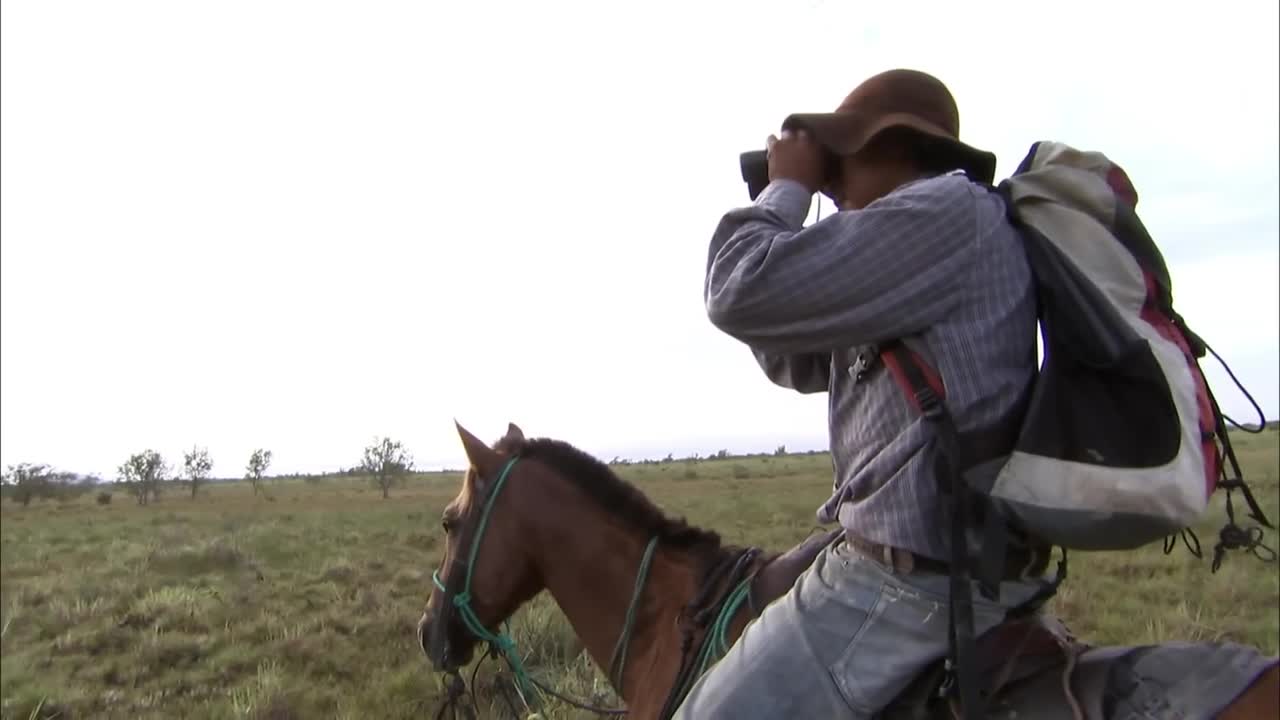
Locating a giant anteater requires more than just luck; it demands an understanding of the animal's interaction with its environment. The rancher identifies key signs of their presence, specifically noting where "this termite nest has had the top knocked off it." These destroyed mounds serve as definitive evidence that an anteater has been foraging in the vicinity.
However, the pursuit is fraught with challenges. Giant anteaters possess a "good sense of smell" despite having "bad eyesight." This acute sensory adaptation makes them incredibly wary of human presence. During the first attempt, the team learns the hard way that stealth is paramount; because they "made too much noise," the anteater sensed them and retreated. Justine quickly realizes that to observe this creature, she must "approach quietly downwind" to avoid detection.
Evolutionary Specialization: The Alien of the Grasslands
Once Justine successfully observes the animal, she is struck by how perfectly it is "specialized with what this landscape has to offer." The ecosystem, abundant with "lots of ants and lots of termites," provides the perfect habitat for this unique predator. Justine describes the animal as looking "just like aliens, just bizarre looking," a sentiment driven by their highly specific physical adaptations.
One of the most remarkable features discussed is their feeding mechanism. Lacking teeth entirely, the giant anteater relies on an "elongated head" that houses a "60 centimeter tongue covered in sticky saliva." Watching the animal feed, Justine observes it with its "head right down in the grass," expertly deploying its tongue into the holes of termite mounds, where insects "get stuck on the tongue" and are consumed with remarkable efficiency.
Unique Locomotion and Behavior
Beyond their feeding habits, the giant anteater’s anatomy is equally fascinating. They exhibit a distinct gait, as they are "only walking on their three main toes, which are curled under." This knuckle-walking behavior is a necessity to protect their powerful digging claws, which they only "pull... out when they're actually digging." This strange, specialized movement contributes to the creature’s overall appearance, leading Justine to conclude that they are "altogether quite strange" and "real specialists" in their ecological niche.
A Concluding Success
As the expedition draws to a close, the encounter serves as the pinnacle of Justine's journey. Witnessing a giant anteater in its natural habitat—the "first time I've ever seen one"—provides a profound sense of accomplishment. The experience underscores the importance of observing wildlife in its own environment, respecting the delicate balance between the predator and its landscape. For Justine, the sighting is nothing short of "brilliant," marking a successful end to a quest that brought her face-to-face with one of the most bizarre and brilliant survivors of the animal kingdom.
Deep Learning with ListenLeap


