
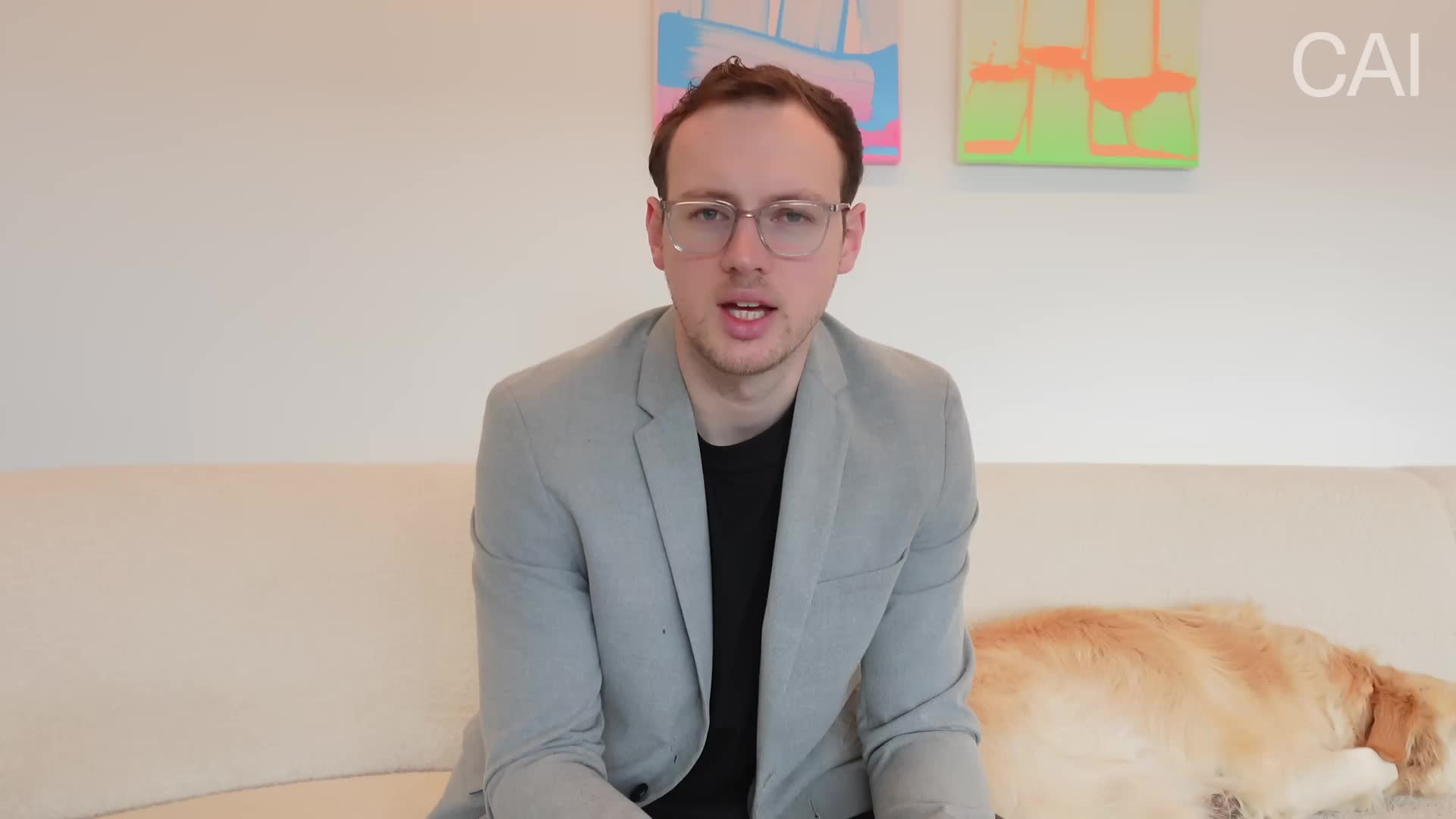
[The Vanguard of Painting: A Curated Anthology of 20 Influential Artists Born After 1990]-[Top 20 Young Painters You Need To Know (Born after 1990)]
📋 Summary
The New Frontier: Mapping Contemporary Painting Through 20 Visionary Artists
As the landscape of contemporary art evolves, a new generation of painters—born after 1990—is redefining the boundaries of the medium. Utilizing the "artifact algorithm" to ensure objective cultural significance, this anthology highlights 20 artists who represent the current pulse of the art world. By moving away from competitive rankings and opting for an alphabetical presentation, we gain a clearer, more nuanced snapshot of how these Millennials and Gen Z artists engage with identity, history, and the digital age.
Cultural Hybridity and the Reclamation of Identity
A recurring theme among these artists is the exploration of "cultural hybridity" and the complexities of lived experience. Dunji Adeniye Jones exemplifies this through his "stylized bodies occupying shallow patterned spaces," drawing deeply from his Yoruba heritage to create a practice of "cultural addition." Similarly, Chase Hall reconsiders the "lingering influence of cultural inheritances" by using brewed coffee to stain cotton supports, foregrounding black life outside of conventional stereotypes.
Identity is also interrogated through the digital lens. Kudzanai Violet Huami employs a "collage-based process" to mirror the "layered logic of social media," while Rachel Jones uses "layered, vivid compositions" in oilstick to move beyond spoken language, investigating the intersection of abstract form and the construction of black experience.
Psychological Landscapes and the Self
Many artists in this cohort use the figure to map internal states and the fluidity of the self. Alexander Basil utilizes a recurring "archetypical figure"—a bald, rosy-skinned protagonist—to open "multiple readings of selfhood" through surreal transformations. Sacha Gordon takes a different approach, creating "quasi-hyperrealistic paintings" that use her own likeness to express "psychological tension," meticulously rendered to emulate the "luminosity of the old masters."
Others, like George Roy and Anna Weyand, look at the nuances of human interaction. Roy explores "desire and transformation" through "spatial ambiguity," while Weyand captures "low-stakes trauma"—moments of vulnerability in everyday life—rendered with a "tragicomic" sensibility that highlights how social conventions construct femininity.
The Alchemy of Medium and Memory
Technical innovation remains central to the evolution of painting. Louise Giovinelli addresses the history of the medium by focusing on its "formal properties," pushing the "radiance and luminosity" of her works to celebrate the "pure alchemy of painting." Christine Safa treats the canvas as a repository for memory, where "landscapes become portraits" and forms "emerge and recede," serving as an "inward reflection" rather than a mere documentation of an external site.
Meanwhile, artists like Xiaowang bridge disparate philosophical traditions, creating "immersive paintings" that weave together "Taoism, post-structuralist theory, and ancient Chinese pictorial traditions" with Western art history. This synthesis reflects a globalized biography, where gestural lines suggest "shifting impressions" of both the body and the mind.
Challenging Conventions and Digital Simulation
Finally, several artists are actively subverting the art-historical canon and the impact of networked imagery. Anna Segovia works to "subvert heteronormative representations," destabilizing "idolized models of masculinity" through strident color and humor. Brandon Lipchick and Issy Wood both grapple with the mediated nature of contemporary life. Lipchick constructs "fantastical hybrid scenes" that reflect conditions shaped by "simulation and networked imagery," while Wood creates "pictures of pictures," acknowledging the "seductive, highly mediated allure" of objects filtered through advertising and the internet.
Conclusion
This curated selection of 20 painters demonstrates that painting is far from stagnant. Whether through the "inter-species relationships" explored by Dominic Nowell or the "performative constructs" analyzed by Anna Segovia, these artists are dismantling old narratives and building new ones. By engaging with the tension between the real and the constructed, this generation ensures that painting remains the most vital tool for documenting the complexities of the 21st century.
Deep Learning with ListenLeap


