
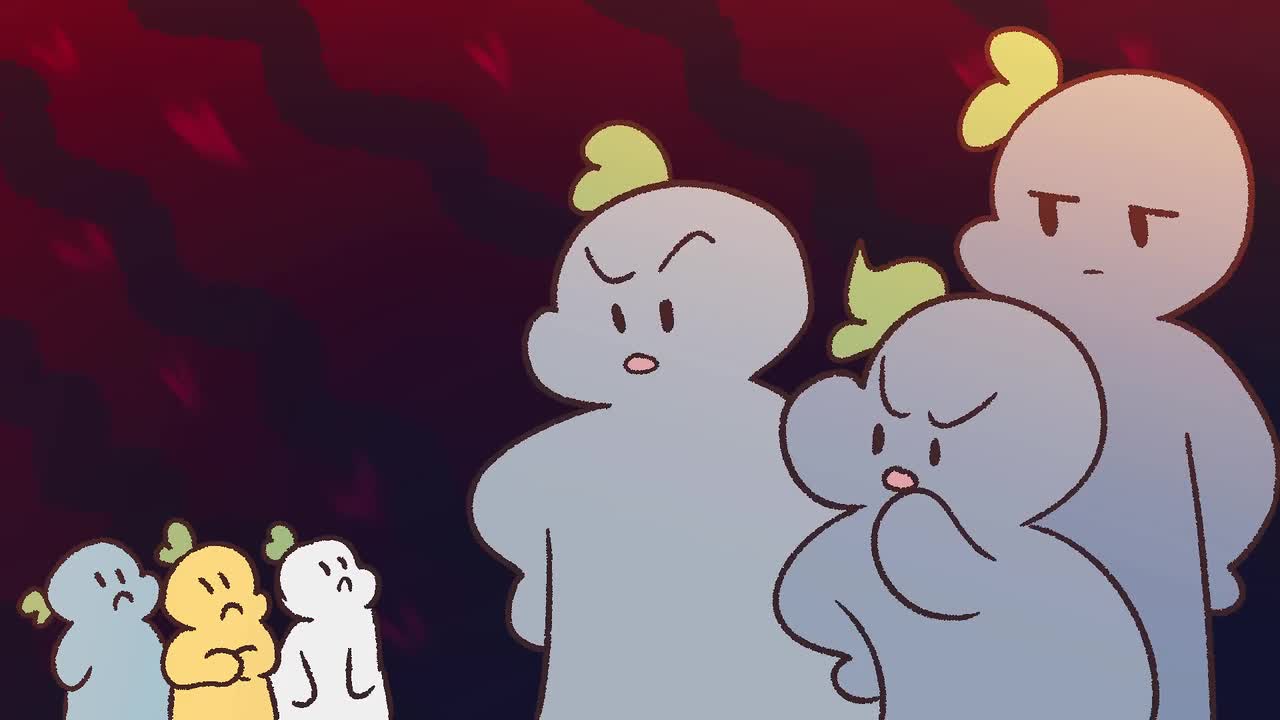
[Cultivating Compassion: Preserving the Integrity of Our Shared Space]-[This Was Never Supposed To Happen To Psych2Go]
📋 Summary
Fostering a Culture of Empathy and Respect
This podcast episode serves as a poignant reminder of the core mission behind this community. The creators emphasize that this space was "never meant to be just content"; rather, it is intended to be a sanctuary for those who feel "heavy," "confusing," or simply in need of being "understood." By establishing this foundational purpose, the hosts invite listeners to reflect on the collective responsibility required to maintain an environment built on trust and mutual support.
The Impact of Our Words
A central theme of the discussion is the unintended consequences of our digital interactions. The hosts acknowledge that while some comments are intended as "jokes" or "sarcasm," they are often "said too quickly without thinking," resulting in genuine harm to others. It is crucial to recognize that many community members arrive here after a journey that "took courage to open up, to comment, and to stay." When these individuals are met with "judgment or harshness," the emotional impact is significantly deeper than many observers might realize. The podcast underscores that we must be mindful of how our "words land," as our digital presence is not just text on a screen, but a reflection of human connection.
Protecting Vulnerability and Honesty
The creators draw a firm line regarding the standards of the community. While they do not aim to "control every comment," they are committed to "protecting what this space stands for." This is a community for those who are "trying, healing and figuring things out." Consequently, the platform maintains a zero-tolerance policy toward "putting others down," "mocking vulnerability," or transforming someone’s "honesty into a joke." This stance is essential for preserving the safety of the environment, ensuring that the most vulnerable voices are not silenced by thoughtless negativity.
Cultivating Mindful Communication
Addressing those who may have inadvertently caused offense, the hosts offer a message of grace: "you're not a bad person. You're human." The podcast suggests practical steps to improve the quality of community discourse. By "taking a beat before replying" and asking ourselves "what you really wanna say," we can mitigate the risk of our words coming across "harsher than you meant." The hosts suggest "turning a statement into a question" as a tactical way to soften interactions and foster dialogue rather than conflict. These "small changes" are described as having a "huge difference" in how community members perceive and support one another.
Moving Forward Together
Concluding with a message of accountability, the hosts acknowledge that they "may not get everything right," but they emphasize that they "do care and will keep trying." They are actively developing future content for those who have struggled to feel "received the way that you hoped," demonstrating their commitment to evolving alongside their audience. The episode closes with a powerful call to action: "Be kind to people around you. You never really know what they're going through." By slowing down and reflecting on the power of our "words and actions," we can collectively ensure this space remains a place where healing and growth are prioritized above all else.
Deep Learning with ListenLeap


