
[Thinking Like an Engineer: Solving Problems through Design]-[Think Like an Engineer: Juniper's Problem _ SciShow Kids]
📋 Summary
Thinking Like an Engineer: A Step-by-Step Problem Solving Guide
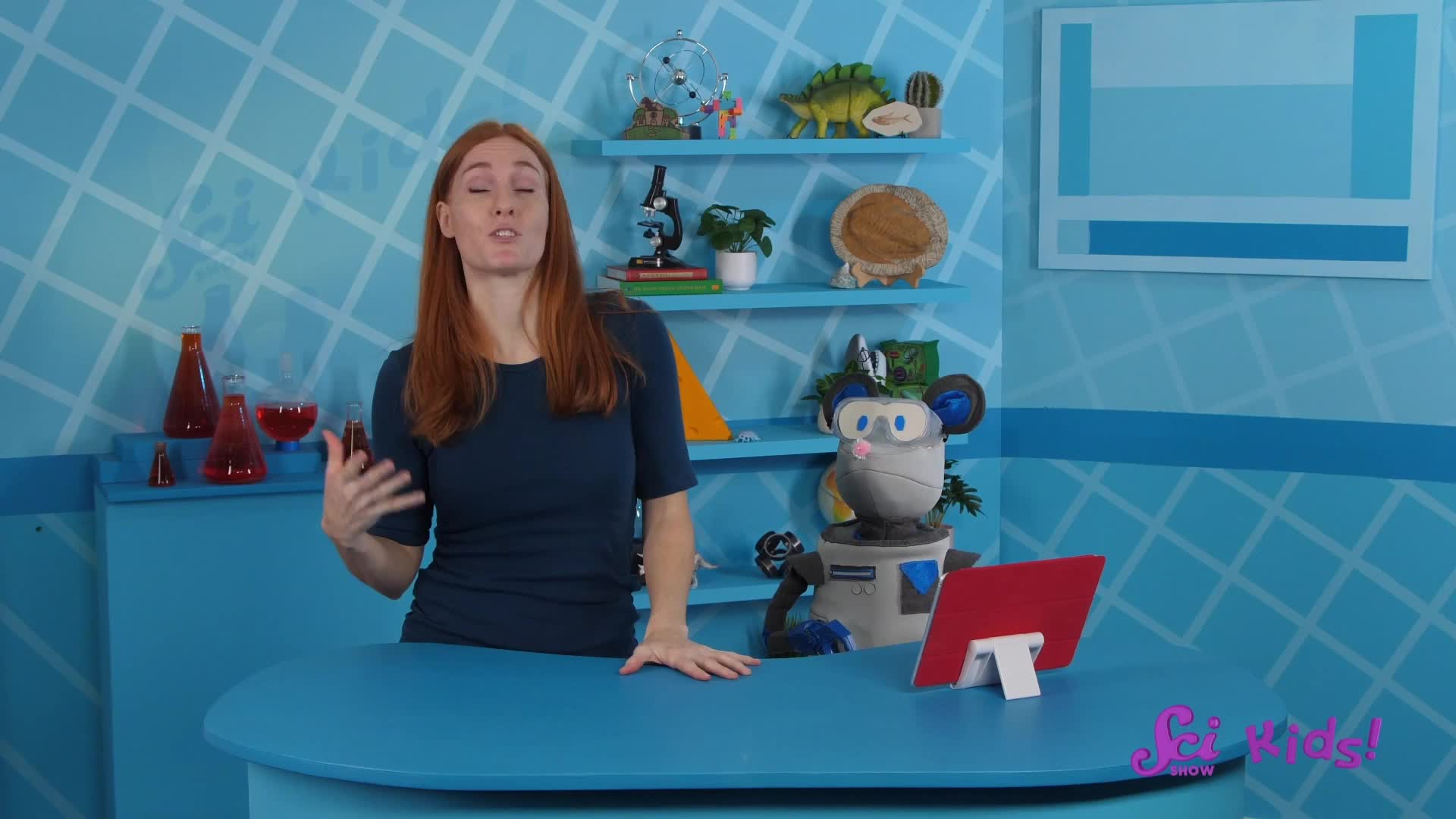
In this episode, the characters face a classic dilemma: a missing toy boat threatens to ruin Juniper’s summer vacation at the lake. Rather than giving up, the group decides to embrace the mindset of engineers to solve the problem. This process highlights that engineering is not just about building; it is a structured approach to identifying challenges and creating effective solutions.
1. Identifying the Problem
The first step in the engineering process is clearly defining the issue. Initially, the problem seems simple: "Juniper can't go out on the lake without a boat." However, the group realizes that simply stating the problem isn't enough. By digging deeper, they realize that a successful solution must meet specific criteria. As the host notes, "The more specific things we can identify about the problem, the easier it will be to solve."
2. Gathering Information and Defining Constraints
Engineers do not start building immediately; they spend time on "planning" and "gathering information." By talking to their friends, the team discovers essential requirements for the project:
- Functionality: The raft must be made of "materials that float."
- Safety: The raft must be "big enough that Juniper can ride on it safely" and "fit on it comfortably."
- Security: Through a debate between Bill and Webb, the group realizes that safety also requires a "handle or a railing" to help Juniper "stay secure."
During this phase, the characters also learn to filter information. When Dino suggests building a paper airplane to help Juniper fly instead of float, the group acknowledges that while "engineers often consider different solutions," they must stay focused on the specific goal of creating a raft.
3. The Importance of Collaboration and Divergent Thinking
A key takeaway from this process is that there is rarely only one way to solve a problem. Even when friends disagree—like Bill and Webb arguing over whether size or railings are more important—the group learns that both perspectives can contribute to a better final design. This "divergent thinking" allows them to gather a comprehensive list of requirements before moving to the construction phase.
4. Moving Toward Design
Once the constraints are clear and materials are sourced from the fort, the team reaches the next critical phase: creating a design. The host emphasizes that "there is more than one answer" to how they can use their materials. By encouraging Sam and Squeaks to create their own designs, the podcast demonstrates that engineering is a creative endeavor.
Conclusion
By the end of the episode, the characters have successfully moved through the initial stages of the engineering design process:
- Identifying the problem (Juniper needs a way to float).
- Collecting information (Defining safety and material requirements).
- Creating a design (Brainstorming how to assemble the available materials).
This episode serves as a perfect introduction to logical problem-solving, reminding listeners that whether you are building a raft or solving a complex real-world issue, the key is to stop, plan, gather information, and think like an engineer.
Deep Learning with ListenLeap


